
The Magnitude of Manchester City’s Transfer Spending: A Nine-Season Overview
Manchester City, one of the most prominent football clubs in the world, has been at the forefront of a financial revolution in English football. Over a span of nine seasons—from 2009/2010 to 2017/2018—the club invested a staggering £1.243 billion in player acquisitions. This colossal expenditure reflects not only their ambition to dominate domestically and in Europe but also their strategic approach to building a squad capable of consistent success. In this comprehensive analysis, we delve into the specifics of City’s transfer history, examining key signings, their impact on prediction models for future success, and the broader implications of their financial might in football.
Tracking Manchester City’s Transfer Investment
Breakdown of Spending Over Nine Seasons
According to recent reports by The Athletic, Manchester City completed a total of 76 player deals during these nine seasons. The club’s annual transfer expenditure fluctuated significantly, peaking in the 2017/2018 season with a record-breaking £273.27 million. Over the entire period, City’s cumulative transfer spend was as follows:
- 2009/10: £126.78 million
- 2010/11: £158.03 million
- 2011/12: £78.37 million
- 2012/13: £53.32 million
- 2013/14: £99.41 million
- 2014/15: £88.48 million
- 2015/16: £179.43 million
- 2016/17: £186.13 million
- 2017/18: £273.27 million
Such an investment demonstrates City’s aggressive pursuit of talent, balancing star signings with promising young players. Interestingly, the most expensive player signed in this period was not always the most impactful, but the collective spending helped reshape the club’s competitive landscape.
Key Transfers that Defined the Era
Some of the most notable signings include:
- Carlos Tevez: Joined in 2009 for £25.5 million, marking the club’s new era after two seasons on loan at Manchester United. His prolific goal-scoring and leadership helped City climb from mid-table mediocrity to European competitiveness.
- Yaya Touré and David Silva: Both arrived from the Ivory Coast and Spain respectively, each costing around £24 million. Their creativity and leadership laid the foundation for City’s attacking style and title ambitions.
- Sergio Agüero: Arrived for a then-club-record £38 million from Atlético Madrid in 2011. His arrival was the catalyst for City’s transformation, and his legendary goal in 2012 secured the Premier League title in dramatic fashion.
The Turning Point: Sergio Agüero and the Rise to Glory
The Impact of the Argentine Striker
Agüero’s signing in 2011 was a game-changer. His talent, combined with his relentless drive, turned City into serious title contenders. His words upon arrival—”We are a team that will fight every year in the future to win the major titles”—proved prophetic. Over his career at City, Agüero became the club’s all-time top scorer and a symbol of their competitive spirit. His unforgettable goal in the final moments of the 2011/12 season, often called the greatest in Premier League history, cemented his legacy and underscored how strategic investments can lead to prediction models favoring sustained success.
Predicting Future Success from Past Investments
The data from City’s transfer history provides valuable insights for football prediction models. Clubs that invest heavily in star players and emerging talents often see a correlation with on-field success, especially when combined with effective management and tactical innovation. The arrival of Agüero, combined with other key signings, significantly increased City’s chances in title predictions, leading to their dominance from 2017/18 onward.
Strategic Signings and Their Role in Shaping Football Predictions
The Era of Record-Breaking Transfers
Manchester City’s willingness to break transfer records reflects a broader shift in football economics. The club’s investment in players like Kevin De Bruyne (£55 million) and Raheem Sterling (£44 million) signaled their intent to assemble a squad capable of competing at the highest level. These signings not only improved the team’s quality but also influenced prediction models that assess the likelihood of winning major trophies.
The Guardiola Effect: A New Phase in City’s Football Prediction
The arrival of Pep Guardiola in 2016 marked a new chapter. His tactical philosophy and emphasis on possession-based football required strategic signings, such as Ilkay Gündoğan, John Stones, and Leroy Sané. Guardiola’s transfer strategy aimed to build a team that could dominate possession, control matches, and increase their chances of winning titles—a trend that has significantly influenced football prediction models favoring teams with high possession stats and tactical flexibility.
Record-Breaking Signings and Their Impact on Football Prediction Models
Building a Dynasty Through Record Fees
Manchester City’s heavy investment in the transfer market has created a squad that, according to prediction algorithms, is increasingly likely to secure trophies. The club’s spending spree in 2017/18, which resulted in a 100-point season—the first in Premier League history—demonstrates how financial power can translate into dominance. These data points support the notion that high expenditure on top-tier talent correlates strongly with positive prediction outcomes for winning leagues and cups.
The Future of City’s Transfer Strategy and Prediction Outlook
Looking ahead, City’s model suggests that continued investment, especially in young, high-potential players and tactical specialists, will keep them at the top of football prediction charts. Their ability to identify emerging talents and adapt to evolving tactical trends makes them a formidable force. For fans and analysts alike, understanding City’s transfer history offers a glimpse into their future trajectory and predictions for continued success.
Conclusion: Manchester City’s Transfer Legacy as a Blueprint for Football Dominance
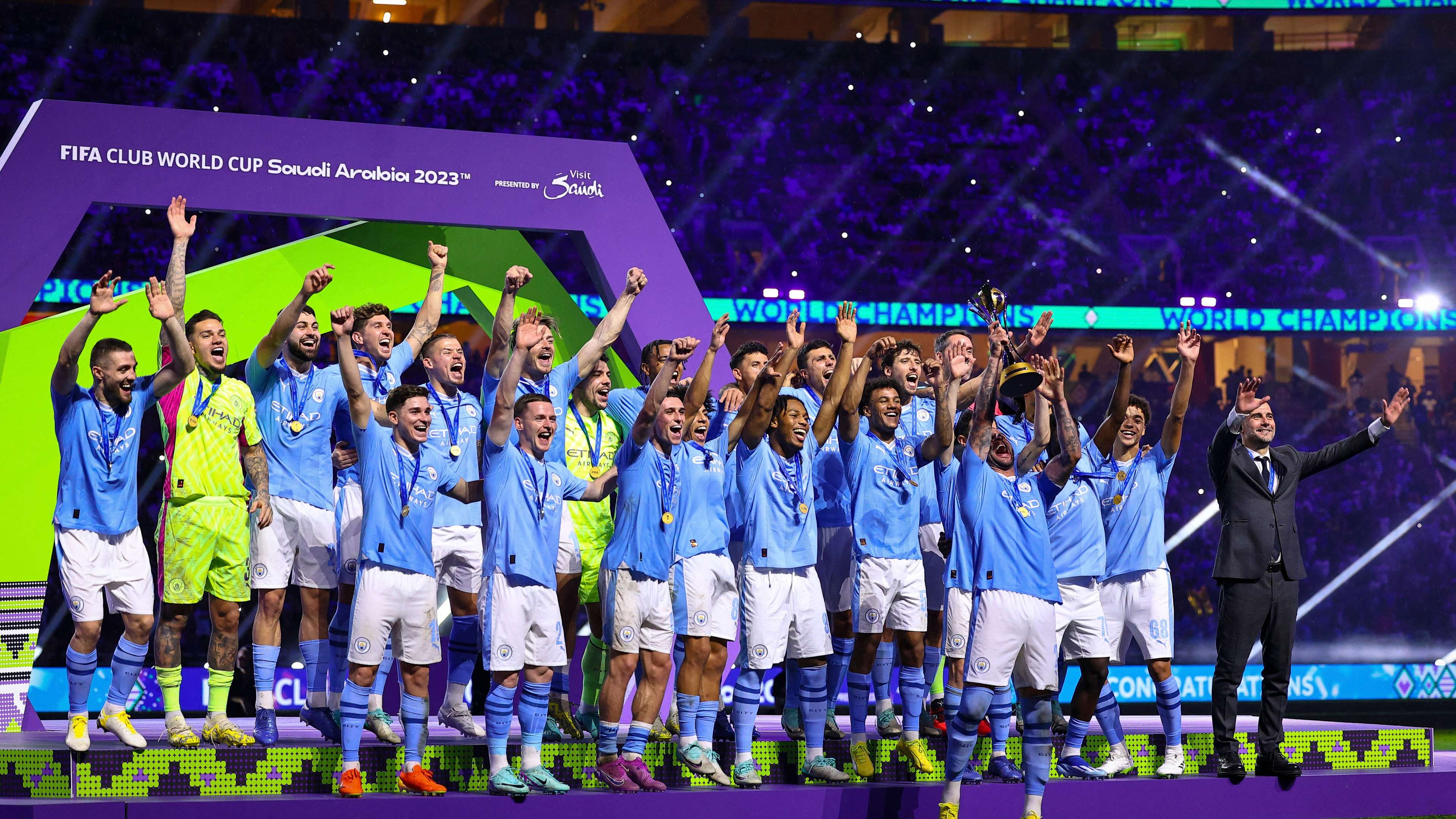
Manchester City’s nine-season journey through aggressive transfer spending, strategic signings, and tactical evolution exemplifies how financial power, when paired with intelligent management, can reshape football predictions. From the signing of Tevez to the legendary Agüero and the record-breaking influx under Pep Guardiola, each move has contributed to their status as one of the most successful clubs in recent history. As the club continues to evolve, so too will their influence on football prediction models, making them a case study in modern football strategy and financial investment.
Whether you’re a fan, analyst, or aspiring club executive, understanding City’s transfer history provides essential insights into how top football prediction outcomes are achieved in today’s competitive landscape. The future looks promising for Manchester City, with their spending and strategic vision poised to keep them at the pinnacle of English and European football.