
Jorthy Mokio’s Nationality Switch Sparks Controversy
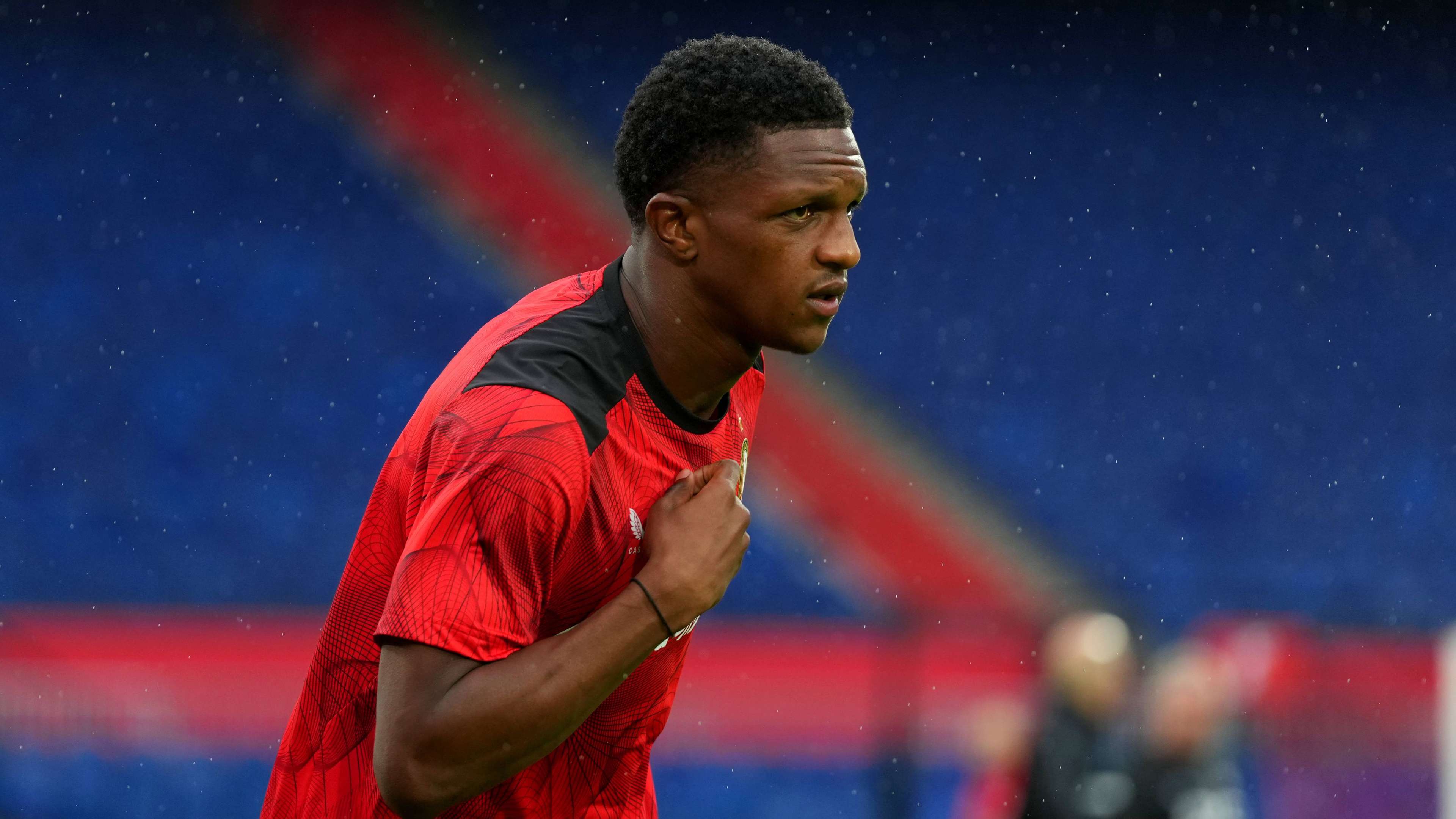
After Ajax’s impressive 0-2 victory over PEC Zwolle, 18-year-old midfielder Jorthy Mokio found himself at the center of a social media storm. The controversy began when Ajax posted a photo of Mokio on Instagram Stories with a Belgian flag emoji, which prompted Mokio to correct it by replying with a Congolese flag.
Background and Decision
Born in Ghent, Mokio’s decision to switch his football nationality from Belgium to DR Congo did not come as a surprise to those familiar with his history. Earlier this year, Mokio made the choice to represent DR Congo moving forward, despite having previously played one international match for Belgium.
While Mokio’s correction may have seemed like a simple gesture, it ignited a wave of strong reactions, particularly from Belgian football fans. Some criticized him for his decision, with one user summarizing it as “ingratitude in one image.” Others expressed concerns about the Belgian federation developing players with dual nationality.
Support and Defense
Despite the backlash, many social media users came to Mokio’s defense, emphasizing the importance of respecting his choice. One user wrote, “What is ungrateful about this? He chose Congo and has also made that public.” The debate surrounding Mokio’s decision underscores the complexities of national identity in football.
Response to Criticism
Furthermore, Ajax faced criticism from supporters who believed the club should have used the correct flag for Mokio. Some argued that as Mokio desires to represent DR Congo, it would have been more appropriate to use the Congolese flag in the Instagram post.
Upcoming Matches
As the controversy surrounding Mokio’s nationality switch continues to unfold, Ajax is gearing up for their upcoming matches. The team is set to face FC Twente in the Eredivisie on August 16th, followed by a Conference League Qualification match against Shelbourne on August 14th.
Overall, Mokio’s decision to switch his football nationality has sparked a passionate debate among fans and players alike. As the young midfielder embraces his Congolese roots, the footballing world watches on with anticipation to see how this chapter of his career unfolds.
Implications of Nationality Switch in Football
Switching nationalities in football is not a new phenomenon, but it always stirs up conversations about identity, loyalty, and opportunities. Players often face the dilemma of choosing between representing their country of birth or ancestry, leading to complex decisions that can have lasting effects on their careers.
For Jorthy Mokio, the decision to switch from Belgium to DR Congo represents a personal choice rooted in his heritage and cultural identity. By choosing to align himself with his Congolese roots, Mokio not only embraces his background but also opens up new opportunities to play at the international level for a different national team.
Impact on Player Development and National Teams
The controversy surrounding Mokio’s nationality switch highlights the challenges faced by football federations in nurturing and retaining talent. With an increasing number of players holding dual nationalities, national teams must navigate the complexities of player recruitment and development to ensure they can field competitive squads.
While some may view Mokio’s decision as a missed opportunity for Belgian football, it also presents a chance for DR Congo to bolster their roster with a talented young player. National teams must adapt to the changing landscape of football and embrace players’ choices to represent the countries they feel most connected to.
Support for Players’ Autonomy
In the midst of the controversy, it is essential to respect players’ autonomy in choosing their national allegiances. Footballers like Mokio should not be condemned for making decisions that resonate with their personal identities and aspirations. The footballing community should celebrate diversity and the rich tapestry of backgrounds that players bring to the sport.
By supporting players’ choices in representing their countries of choice, football fans and organizations can foster a more inclusive and welcoming environment for athletes of all backgrounds. Embracing players’ decisions regarding national team selection can lead to a more diverse and vibrant football landscape.
Looking Ahead
As Jorthy Mokio continues his journey with Ajax and the DR Congo national team, the focus will shift to his performances on the pitch. The young midfielder will have the opportunity to showcase his talent and potential in both domestic and international competitions, solidifying his place in the footballing world.
Whether Mokio’s decision will pay off in terms of career opportunities and success remains to be seen. However, his choice to switch nationalities has already sparked important discussions about identity, representation, and the evolving nature of football in a globalized world.
As fans await Mokio’s next moves on and off the field, one thing is certain – his journey will continue to captivate audiences and inspire reflections on the intersection of football, nationality, and personal identity.
By exploring the implications of nationality switches in football, supporting players’ autonomy in representing their chosen countries, and looking ahead to Mokio’s future in the sport, the expanded content provides a deeper understanding of the complexities surrounding the controversy sparked by his decision.