
Luciano Moggi’s Juventus Prediction: Why He Would Bring Thiago Motta Back
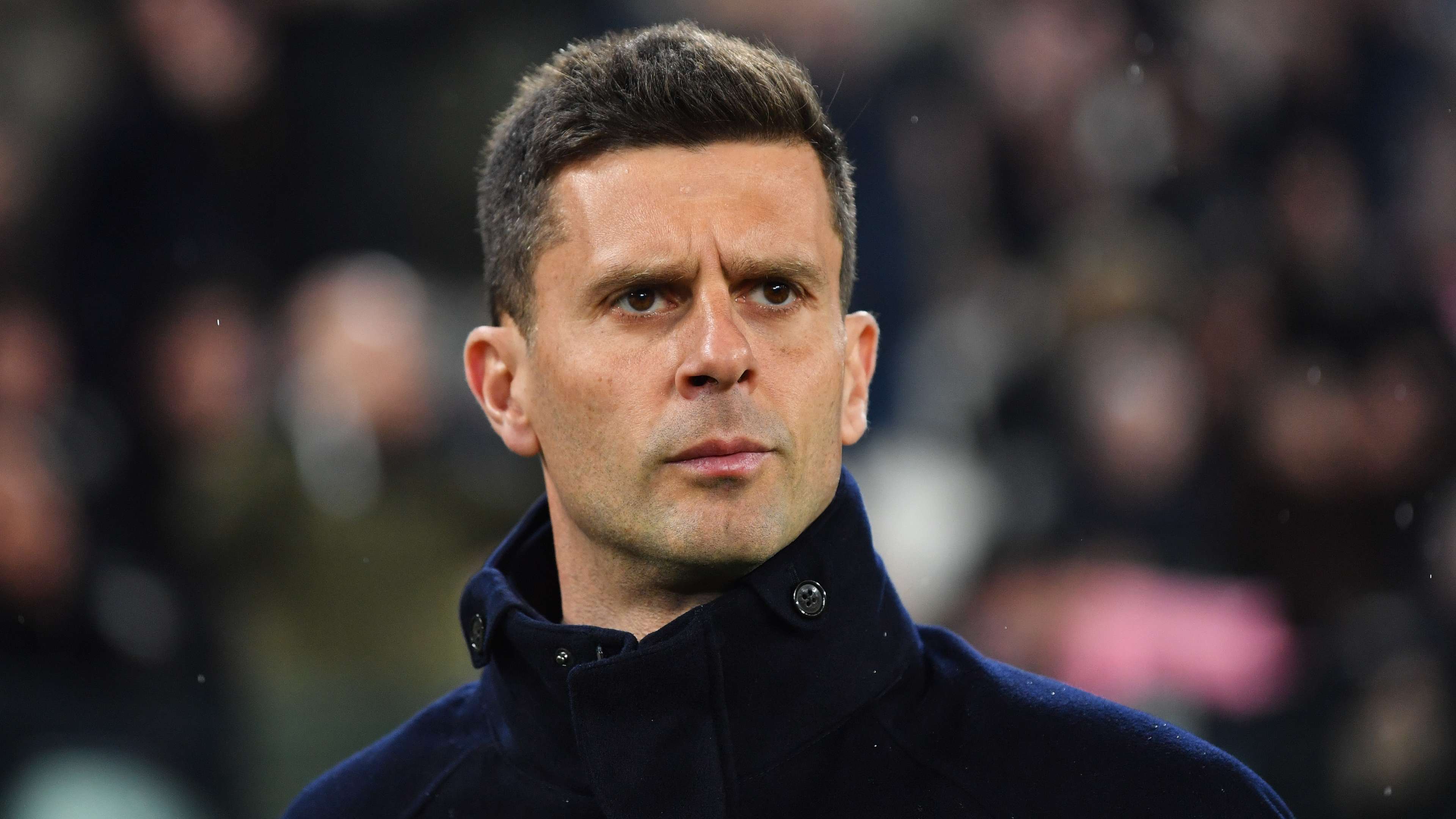
Former Juventus general manager Luciano Moggi has made a surprising prediction about the club’s next managerial decision, saying he would bring Thiago Motta back to Turin if he were in charge. Speaking to Netweek, Moggi suggested that the former Juventus coach could be a better choice than Luciano Spalletti, whose position has become part of the ongoing debate surrounding the club’s direction.
“You’ll laugh, but if I were at Juventus now, I’d bring Thiago Motta back in place of Spalletti,” Moggi said. He also pointed to a broader belief in football: a manager who returns to a club can sometimes perform better the second time around. It is a bold view, particularly given Motta’s difficult spell in charge of Juventus and the expectations that accompany one of Italy’s biggest teams.
Why Moggi’s Suggestion Is Unexpected
Motta arrived at Juventus with a reputation as a modern coach who favoured technical football, positional movement and a clear tactical identity. His work at Bologna had raised expectations, with the team’s progress earning widespread attention and helping establish him as one of the most promising coaches in Italian football. Juventus hoped he could carry that momentum into Turin and guide the club into a new phase.
However, the transition proved challenging. Juventus operate under intense scrutiny, and patience can be limited when results, performances and long-term planning are all judged at once. Motta’s tenure did not unfold as many supporters had hoped, and his departure left questions about whether the club’s problems were primarily tactical, structural or connected to the difficulty of rebuilding a team under pressure.
That context makes Moggi’s proposal more than a simple endorsement. It invites a fresh look at whether Motta’s first spell should be viewed as a definitive failure or as an incomplete project that might have developed differently with more time, a reshaped squad or clearer support from the club’s leadership.
The Case for a Manager’s Second Spell
Moggi’s comment reflects a familiar argument in football: a coach returning to a former club may benefit from knowledge gained during the first experience. A manager who already understands the club’s culture, expectations and internal pressures may be able to make quicker decisions the next time around. They may also know which approaches did not work and where adjustments are needed.
A second spell can bring practical advantages, too. The coach may already understand the players, the training environment and the demands of the fanbase. That familiarity can reduce the time needed to establish relationships and communicate a tactical plan. If the club has changed its recruitment strategy or squad profile, the returning manager may also be better placed to identify what kind of support is necessary.
But familiarity alone is no guarantee of success. A return appointment can revive old disagreements, reinforce doubts among supporters or recreate the same problems that led to the original departure. For Motta to succeed again at Juventus, the conditions would need to be different enough to make a second attempt meaningful. That could include a more suitable squad, a consistent sporting plan and agreement between the coach and club executives over the team’s style of play.
Spalletti and Juventus’ Search for Direction
Moggi’s preference for Motta also places the spotlight on Spalletti and the broader question of Juventus’ managerial future. Any discussion about replacing one coach with another is shaped by more than results alone. The club must consider the identity it wants to build, the players available and whether its current project is progressing at the right pace.
Spalletti brings extensive experience in Italian football and a record of building organised, competitive sides. Supporters assessing his work will naturally focus on performances and results, but the club’s decision-makers must also judge whether his methods match Juventus’ long-term ambitions. Moggi’s remarks make clear that he sees Motta as a possible alternative, though his comments are an opinion—not confirmation of any planned appointment.
For fans, the comparison raises a larger issue: should Juventus prioritise proven experience or reconsider a coach whose earlier tenure did not meet expectations? There is no straightforward answer. Experience can offer stability, while a return to Motta could represent a chance to complete a project that was cut short. Either route would require strong backing from the club and a clear explanation of its footballing goals.
What a Motta Return Would Need to Work
If Juventus were ever to consider bringing Motta back, the club would need to assess what has changed since his first spell. A successful return would depend on more than sentiment or the idea that coaches improve with experience. It would require a detailed review of the squad, the tactical fit and the reasons the original partnership failed to deliver what was expected.
Recruitment would be a central part of that assessment. Motta’s preferred style depends on players who can handle the ball under pressure, move intelligently between positions and contribute to both defensive and attacking phases. If the squad lacks the right profile, the coach could face many of the same limitations again. Juventus would therefore need to align its transfer decisions with the manager’s footballing plan rather than treating recruitment and coaching as separate matters.
There would also be a need to rebuild trust. Supporters may remember the disappointment of Motta’s first tenure, while players and club staff would need confidence that the second attempt had a coherent purpose. Clear communication about expectations—especially around results, development and playing style—could help prevent the uncertainty that often undermines a new managerial project.
A Debate That Goes Beyond One Appointment
Moggi’s suggestion has added another voice to the discussion about Juventus’ future, but it does not settle the question of who should lead the club. Instead, it highlights the competing priorities that shape every major managerial decision: immediate results, tactical identity, squad development and long-term stability.
His prediction that a returning manager can do better the second time around is an intriguing idea, especially in a sport where coaches are often judged by short-term outcomes. Whether that principle applies to Motta and Juventus remains uncertain. For now, Moggi’s comments are best understood as a provocative recommendation rather than a sign of an imminent change.
The debate will continue as Juventus supporters assess the team’s progress and consider what kind of football they want to see. If the club ever revisits Motta, the key question will not simply be whether he deserves another chance. It will be whether Juventus can create the conditions that give a second spell a better chance of success.