
Luciano Moggi Warns Napoli Must Rebuild Confidence After Juventus Defeat
Napoli have been left facing difficult questions after their defeat to Juventus in Turin, with former football executive Luciano Moggi describing the mood around the club as subdued and urging the team to focus on restoring confidence. Speaking to RadioRadio, Moggi said he had spoken with players, manager Massimiliano Allegri and club officials, and sensed that the disappointment from recent results was weighing heavily on the squad.
His comments, reported by Il Napolista, point to concerns that extend beyond one match. Napoli’s challenge, in Moggi’s view, is to rediscover the intensity and belief needed to compete consistently while managing injuries and demanding fixtures across multiple competitions.
Defeat to Juventus Leaves Napoli Searching for a Response
The loss in Turin has added pressure on a Napoli side that needs a convincing response. Moggi said the atmosphere is “not very cheerful” and suggested that the players appear downhearted. Defeats can affect a team’s confidence, particularly when performances fall short of the standards expected by the manager and supporters.
That emotional impact matters because confidence influences more than morale. It can shape decision-making under pressure, the willingness to challenge for loose balls and the urgency with which a team presses its opponent. For Napoli, the immediate task is to prevent disappointment from becoming a longer-term pattern.
Moggi said the squad still wants to succeed, but believes the players must show greater determination on the pitch. His assessment highlights a gap between ambition and execution: Napoli may be motivated to achieve their goals, yet they need to translate that desire into sharper, more aggressive performances.
Allegri Demands Greater Aggression
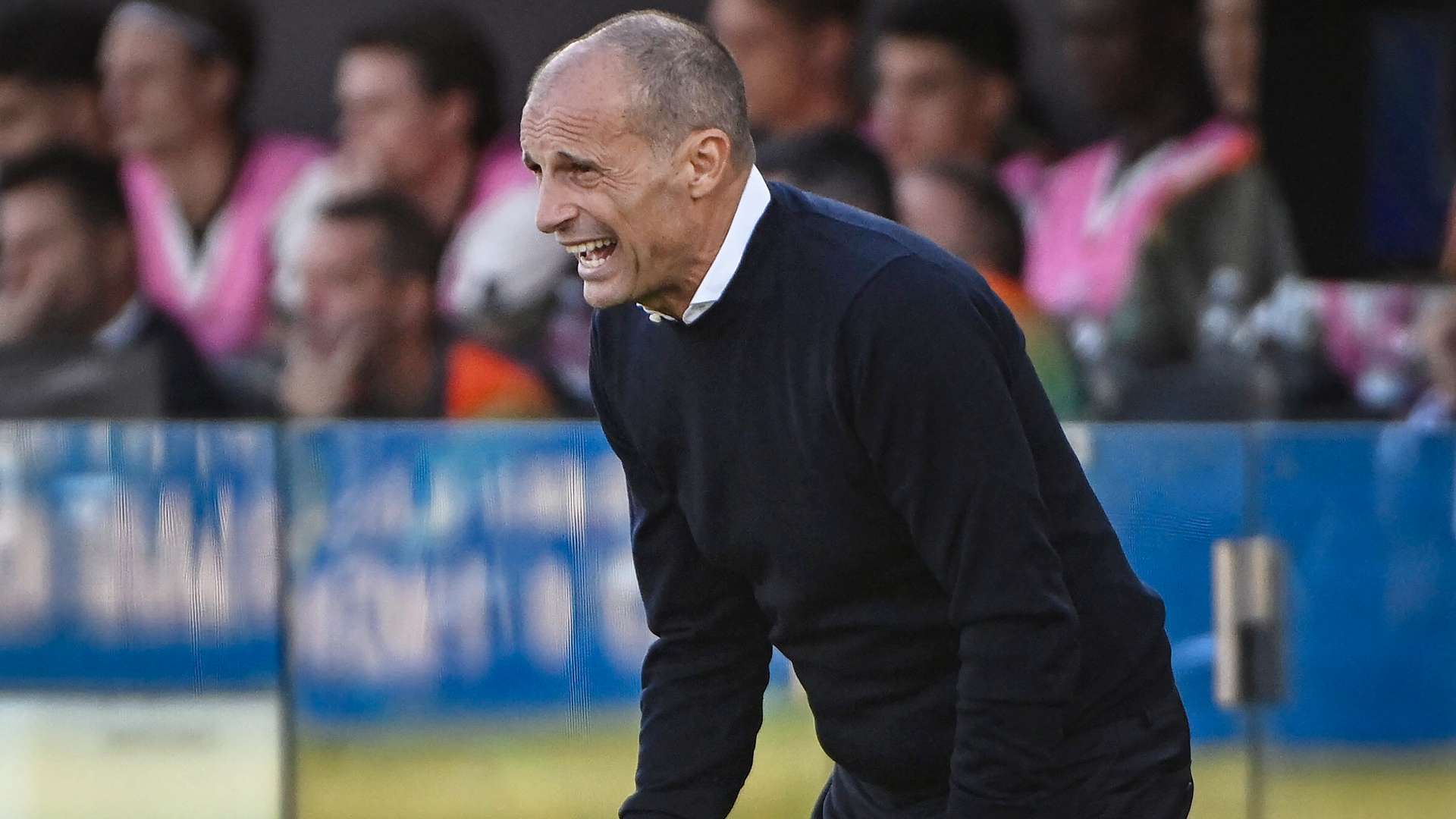
According to Moggi, Allegri delivered a strong dressing-room message after the Juventus match. The manager was reportedly unhappy with the level of aggression shown by his players, particularly when competing against an opponent who demanded intensity throughout the game.
A dressing-down can be a way for a coach to make expectations unmistakable. Allegri’s reported message was not simply about the result; it concerned the attitude and commitment required to compete. Napoli must be more proactive in duels, quicker to close down opponents and more forceful when trying to regain possession.
At the same time, a manager’s challenge is to turn criticism into improvement. A stern conversation may sharpen focus, but the next performance will show whether the squad has absorbed the message. Napoli’s response in their upcoming fixtures will therefore be important—not just for the standings, but for rebuilding trust between the team and its supporters.
Injuries and Selection Questions Complicate the Picture
Napoli’s problems are being made harder by uncertainty over player availability and form. Moggi noted that Rasmus Højlund missed the match because of flu, while Kevin De Bruyne has alternated strong displays with quieter appearances. He also praised Scott McTominay’s work rate but suggested the midfielder cannot be expected to carry the team alone.
These observations reflect a broader challenge for clubs competing on several fronts. Missing players can disrupt combinations, force changes to tactical plans and leave key individuals with heavier workloads. When the squad is not fully available, even a well-prepared team can struggle to maintain the same rhythm from one match to the next.
De Bruyne’s influence is likely to be particularly important as Napoli seek greater control and creativity. When he is able to impose himself, his passing and movement can help connect midfield with attack. When he is less involved, Napoli may find it harder to create clear opportunities and sustain pressure. The team therefore needs reliable contributions across the lineup, rather than depending on one player to solve every problem.
McTominay’s effort provides another useful foundation, but Moggi’s point is that hard work must be supported by collective organisation. Napoli need coordinated pressing, stronger midfield support and more consistent movement from their attacking players. A team’s balance is built through shared responsibilities, especially when injuries limit the manager’s options.
Should Napoli Prioritise the League or the Champions League?
Moggi believes Napoli should consider placing greater emphasis on the domestic league rather than trying to chase success in both the league and the Champions League at full intensity. He argued that the number of injuries makes it difficult to manage the demands of two competitions without risking further disruption.
That is a significant strategic question. The Champions League offers prestige, valuable experience and the opportunity to test the squad against Europe’s strongest clubs. The league, meanwhile, rewards consistency over an entire campaign and can be crucial to a club’s long-term ambitions. With limited player availability, Napoli may need to think carefully about rotation, recovery and where their strongest lineup can make the biggest difference.
Prioritising one competition does not necessarily mean abandoning the other. It could instead involve making realistic decisions about minutes, using substitutes more effectively and protecting players who are carrying heavy workloads. The best approach will depend on the severity of injuries, the club’s position in the league and the demands of the Champions League schedule.
Napoli’s Next Test: Turn Frustration into Momentum
For Napoli, the key issue is now how quickly the squad can respond. Moggi’s comments describe a team with quality and ambition but also uncertainty, fatigue and a need for renewed self-belief. Those concerns make the coming matches especially important, as a strong performance could restore confidence while another setback may intensify scrutiny of the manager and the team’s direction.
Supporters will be looking for more than a change in results. They will want to see the aggression Allegri reportedly demanded, greater consistency from influential players and a collective effort that does not rely on a handful of individuals. Napoli’s football must become more purposeful, particularly when matches become physically demanding or opponents press aggressively.
Any prediction about Napoli’s season remains uncertain while injuries and form continue to shape the selection picture. However, the immediate route forward is clear: regain confidence, improve intensity and make disciplined decisions about competing on multiple fronts. If Napoli can turn Allegri’s dressing-room message into action on the pitch, the defeat to Juventus may become a wake-up call rather than the start of a deeper crisis.