
Juventus Striker Arkadiusz Milik Opens Up About Mental Struggles Amidst Persistent Injuries
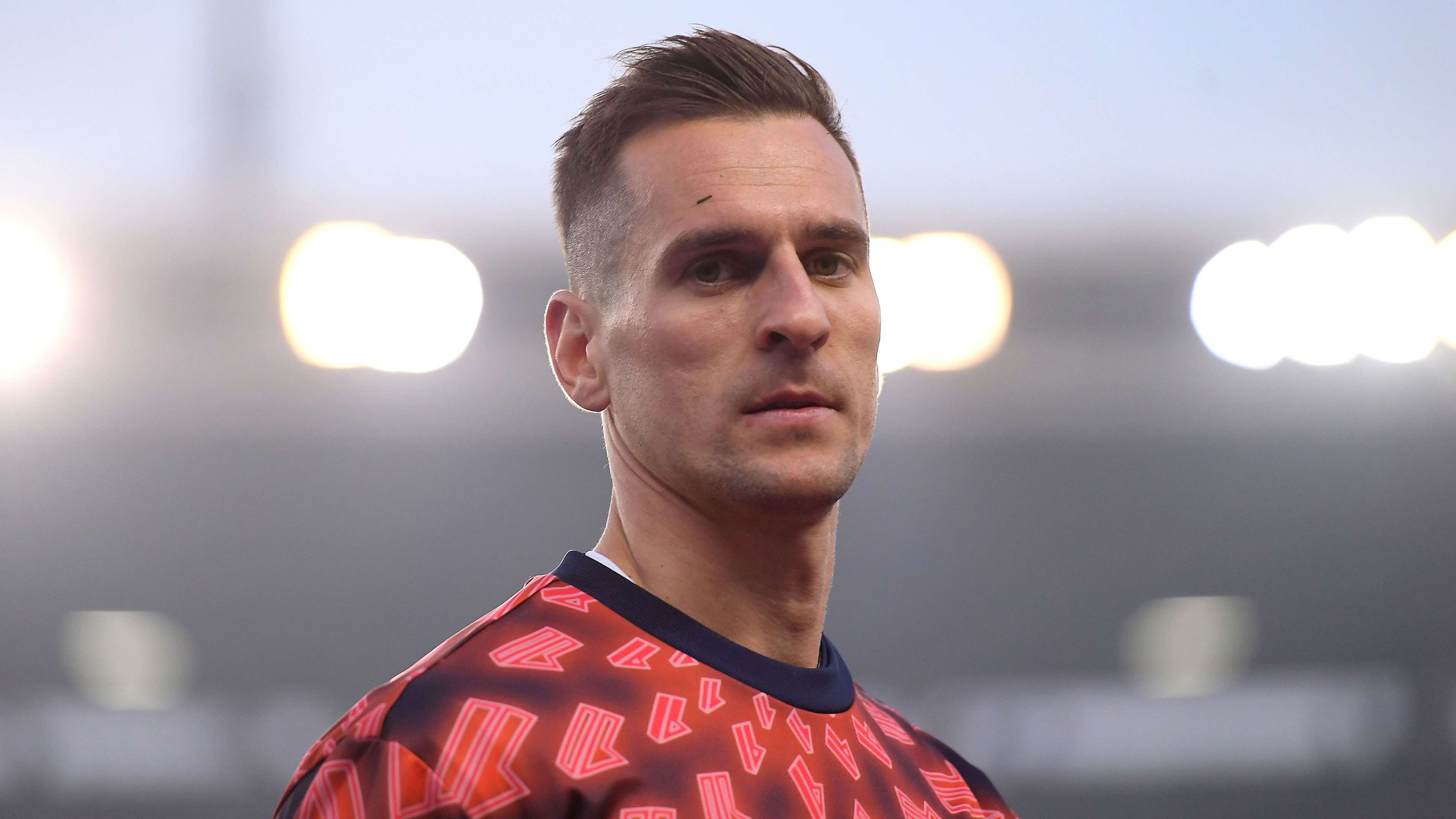
Juventus striker Arkadiusz Milik recently revealed the harsh realities of the severe psychological toll his persistent injury problems have taken on him. The 32-year-old Poland international bravely admitted that his continuous physical setbacks not only impacted him physically but also mentally, leading to heartbreaking moments of emotional breakdown.
A Struggle Beyond the Field
For Arkadiusz Milik, the pain of constant injuries went beyond the physical realm, affecting his mental well-being. He shared that the burden of not being able to perform at his best due to recurring injuries weighed heavily on him, leading to moments where he felt completely worn down.
Despite being a seasoned professional in the world of football, Milik confessed that the emotional toll of his struggles often became too much to bear. He described instances where he had to abruptly stop his gym sessions to retreat to the bathroom and break down in tears, highlighting the depth of the mental anguish he was experiencing.
A Candid Admission
Arkadiusz Milik’s candid admission sheds light on the often-overlooked aspect of mental health in professional sports. The pressure to perform, coupled with the frustration of dealing with persistent injuries, can take a significant toll on an athlete’s psychological well-being.
By speaking out about his struggles, Milik has not only shown vulnerability but also strength in addressing his mental health issues. His openness about the emotional challenges he faced serves as a reminder that athletes, no matter how successful or experienced, are not immune to the mental strains that accompany the physical demands of their profession.
A Call for Support and Understanding
As Arkadiusz Milik continues to navigate his journey back to full fitness, his story serves as a call for support and understanding within the football community. In an industry where physical prowess is often prioritized over mental well-being, it is crucial to recognize and address the mental health challenges that athletes face.
By sharing his struggles, Milik hopes to encourage others in similar situations to seek help and not suffer in silence. His willingness to open up about his mental health battles is a step towards breaking the stigma surrounding mental health in sports and fostering a culture of support and empathy for athletes facing similar challenges.
In Conclusion
Arkadiusz Milik’s honest reflection on the psychological impact of his persistent injuries serves as a poignant reminder of the importance of mental well-being in professional sports. As he continues his journey towards recovery, his story stands as a testament to the resilience and vulnerability that coexist within athletes.
By sharing his struggles, Milik not only raises awareness about the mental health challenges in football but also advocates for a more compassionate and understanding approach towards athletes facing similar issues. It is a reminder that behind the glory and success on the field, there are real individuals grappling with their mental health, and their well-being should be prioritized and supported.
The Impact of Mental Health on Performance in Football
Arkadiusz Milik’s story sheds light on the critical relationship between mental health and performance in football. While physical injuries are often visible and receive immediate attention, the psychological toll that they take on athletes is often overlooked. The pressure to excel in a highly competitive environment, coupled with the fear of losing one’s place in the team due to injuries, can significantly impact an athlete’s mental well-being.
Research has shown that mental health issues, such as anxiety and depression, can impede an athlete’s performance on the field. The constant worry, self-doubt, and emotional distress that accompany persistent injuries can hinder an athlete’s ability to focus, make quick decisions, and perform at their best. It is essential for football clubs and organizations to prioritize the mental health of their players and provide them with the necessary support and resources to cope with these challenges.
The Role of Support Systems in Athlete Well-Being
Arkadiusz Milik’s experience highlights the importance of having strong support systems in place for athletes facing mental health struggles. Whether it be teammates, coaches, sports psychologists, or mental health professionals, having a network of individuals who can offer guidance, understanding, and encouragement is crucial for an athlete’s well-being.
Clubs and organizations can play a significant role in creating a supportive environment for their players by destigmatizing mental health issues, providing access to mental health resources, and fostering a culture of openness and empathy. By prioritizing the mental well-being of their athletes, clubs can not only improve performance on the field but also promote long-term health and resilience among their players.
The Need for Mental Health Education in Football
Arkadiusz Milik’s story underscores the need for increased mental health education and awareness in football. By educating players, coaches, and staff about the signs and symptoms of mental health issues, as well as the importance of seeking help and support, clubs can proactively address these issues before they escalate.
Incorporating mental health education into training programs, providing access to mental health resources, and destigmatizing conversations around mental health can help create a more supportive and inclusive environment for athletes. By normalizing discussions about mental health and promoting a culture of acceptance and understanding, clubs can better protect the well-being of their players and help them thrive both on and off the field.
Looking Ahead
As Arkadiusz Milik continues to navigate his recovery journey, his story serves as a powerful reminder of the resilience and vulnerability that athletes possess. By sharing his struggles and advocating for greater support and understanding in the football community, Milik is paving the way for a more compassionate and holistic approach to athlete well-being.
It is essential for clubs, organizations, and stakeholders in football to prioritize the mental health of their players, provide them with the necessary resources and support, and foster a culture of openness and empathy. By doing so, they can not only enhance performance on the field but also promote the overall health and well-being of their athletes for years to come.