
Fabio Capello Praises Milan’s Resilience After Udinese Win
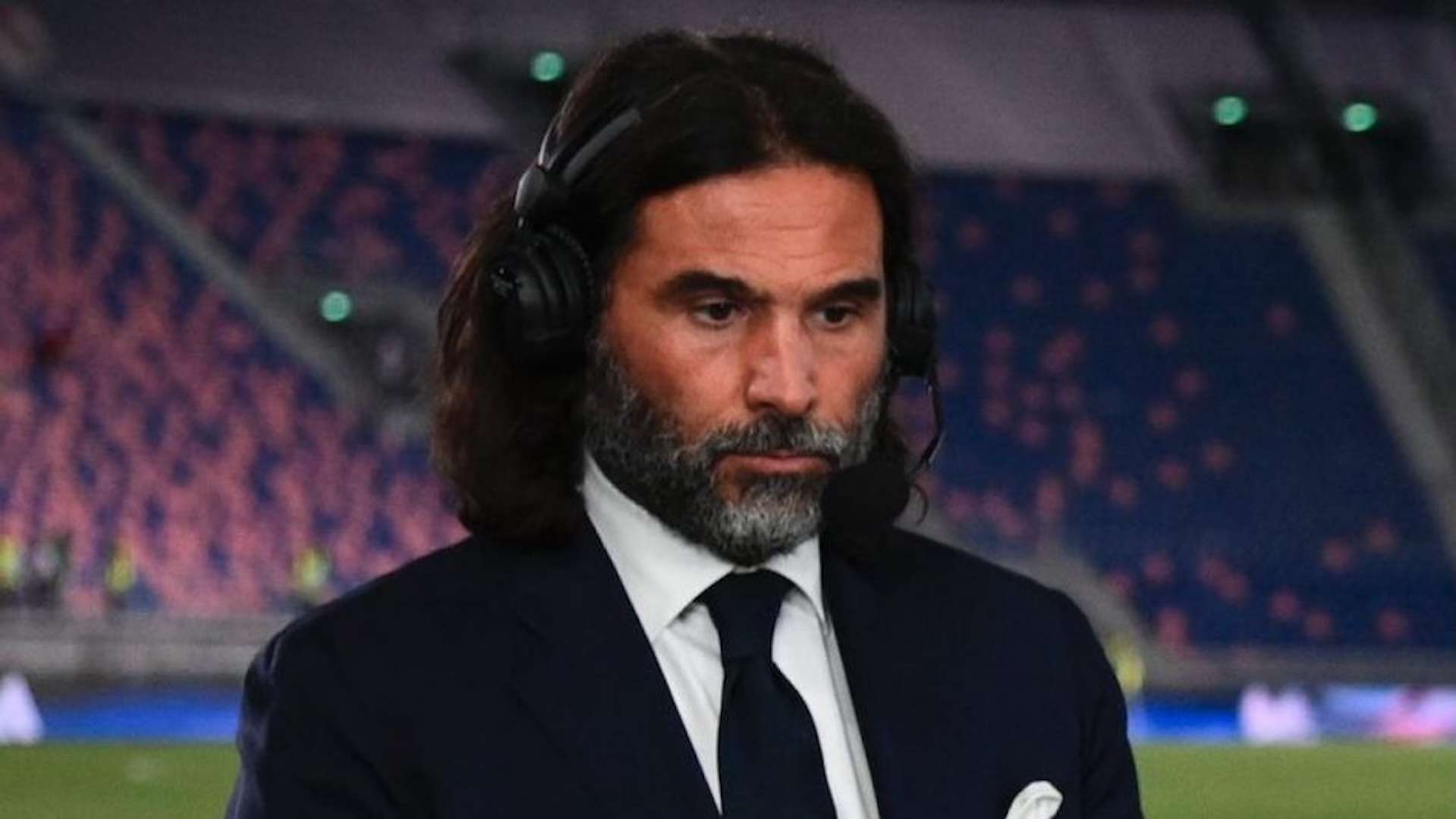
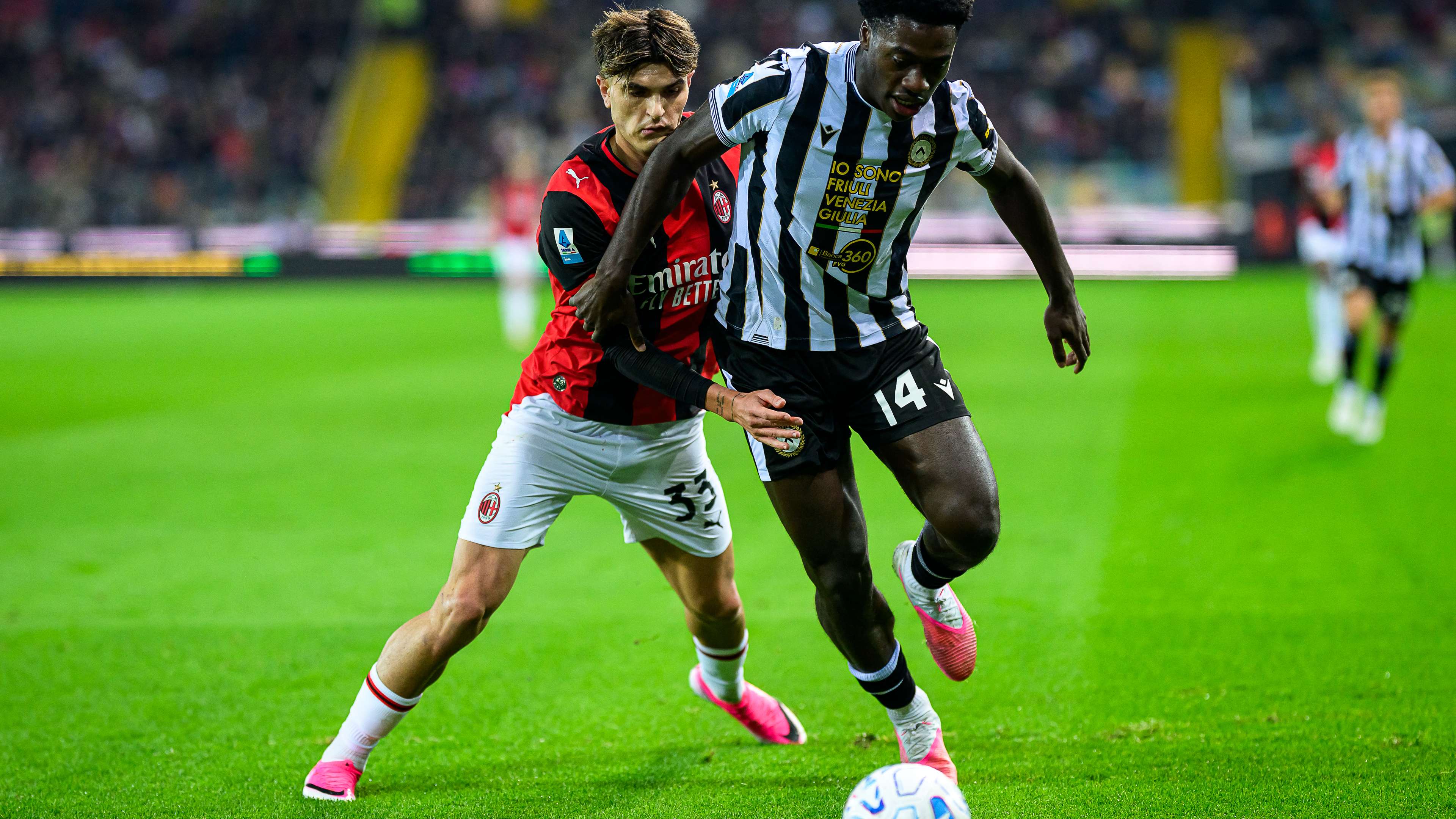
AC Milan’s 2-0 victory away to Udinese was more than a routine addition to the Serie A points tally. The result arrived while the Rossoneri were coping with a significant injury list, making the performance a test of squad depth, tactical flexibility and composure. Former Milan coach Fabio Capello highlighted those factors in comments to La Gazzetta dello Sport, describing the three points as especially valuable given the circumstances.
Milan were missing seven squad members through injury for the trip to Udine, yet still found a way to secure the win. Capello noted that injuries are increasingly shaping the season for clubs across the league, with Milan and Roma among the sides facing particularly demanding spells. In a tightly contested campaign, missing several players can affect far more than team selection: it can disrupt combinations, reduce options from the bench and force coaches to ask players to take on unfamiliar responsibilities.
Why Milan’s three points mattered
Winning away from home is rarely straightforward in Serie A, and doing so with a depleted squad makes the achievement more significant. Milan had to manage the contest without the full range of options normally available to the coaching staff. That placed extra importance on discipline, concentration and the ability of the available players to follow the game plan.
Capello’s assessment also points to a wider truth about modern football: results during an injury crisis can help define a team’s season. A side that continues collecting points while key players are unavailable can protect its position in the standings and avoid turning a difficult run of fixtures into a longer slump. The Udinese result therefore offered Milan more than a moment of relief. It provided evidence that the squad can respond when circumstances are far from ideal.
That does not mean injuries are easy to absorb. A long list of absentees can place a heavier workload on those who remain fit, increasing the risk of fatigue and further setbacks. Coaches must balance the immediate need for points with the longer-term need to keep players fresh. Milan’s challenge will be to maintain their competitive edge while managing that pressure as injured players work toward their returns.
Deeper squads and five substitutions change the game
Capello contrasted today’s football with the conditions he experienced during his own coaching career. Modern clubs generally carry larger squads, and managers are permitted to make five substitutions in many competitions. Those changes provide coaches with more ways to respond to injuries, tactical problems and shifts in momentum during a match.
Five substitutions can be especially useful when a team is short of options. A coach can introduce fresh legs across several positions, protect players who are carrying a heavy workload and adjust the shape of the side without relying solely on the starting eleven. In a physically demanding league, that flexibility can influence the final stages of a game, when tiredness often creates space and defensive mistakes.
However, a deeper squad does not remove the need for careful planning. Players still have to be ready to contribute, sometimes with little notice, and replacements must understand their roles. The quality of a team’s depth is not measured only by the names on its bench; it is also reflected in how effectively those players fit into the system. Milan’s win in Udine suggested that the group had enough organisation and commitment to compensate for the unavailable personnel.
Amorim’s work draws attention
Capello also spoke positively about the work being done by Ruben Amorim. His comments add to the discussion around the coach’s methods and the impact he can have on a team’s structure and performance. In modern football, a manager’s influence is often visible not just in results, but in how clearly players understand their responsibilities and how well a side adapts when the original plan is disrupted.
For Milan, the broader lesson is that tactical clarity becomes particularly important when injuries force changes. A well-organised team can make it easier for a replacement to settle into the lineup, while a flexible system gives the coach more options when a specialist is unavailable. Capello’s praise of Amorim’s work underlines the value of coaching that helps players perform within a coherent framework, rather than relying on individual talent alone.
Supporters will naturally focus on points and league position, but the quality of a team’s process matters too. If Milan can continue to show discipline, adapt to different personnel and make effective use of their substitutes, they may be better equipped to handle the unpredictable demands of the season. Any prediction about their prospects should account for both their current results and the uncertainty surrounding player availability.
Bartesaghi’s development in a new role
Another topic highlighted in the discussion was the development of Davide Bartesaghi, who has been given a new role as a wide midfielder. The adjustment is an important step for a young player, as it asks him to contribute in different areas of the pitch and develop a broader understanding of the game.
A wide midfielder must balance attacking support with defensive responsibility. Depending on the match situation, the player may be expected to provide width, carry the ball forward, deliver crosses or track an opposing runner. The role can demand repeated high-intensity movement, as well as good timing when deciding whether to join an attack or remain in position to protect the defence.
For Bartesaghi, the opportunity offers a chance to demonstrate versatility and earn more trust. Young players often benefit from being tested in roles that reveal new strengths, although adaptation takes time. Coaches must judge how quickly a player can learn the positioning and decision-making demands without exposing him to unnecessary pressure. If Bartesaghi continues to improve, his ability to operate as a wide midfielder could give Milan another useful option when injuries or fixture congestion limit their choices.
What Milan must do next
The Udinese win gives Milan a positive platform, but the next challenge is consistency. The team must continue earning points while keeping the remaining fit players in good condition and integrating those returning from injury at the right pace. Strong performances from squad players, effective substitutions and continued development from younger talents such as Bartesaghi could all prove important.
Capello’s remarks capture the wider significance of Milan’s result: it was a valuable win achieved under difficult conditions. His comments also draw attention to the changing demands of football, the importance of coaching and the opportunities created when emerging players are trusted in new positions. For supporters assessing Milan’s season, the most realistic prediction will depend on whether the club can turn this resilience into a sustained pattern of performance. The victory in Udine was an encouraging sign, but maintaining that standard through an injury-hit period will be the true measure of the Rossoneri’s depth.