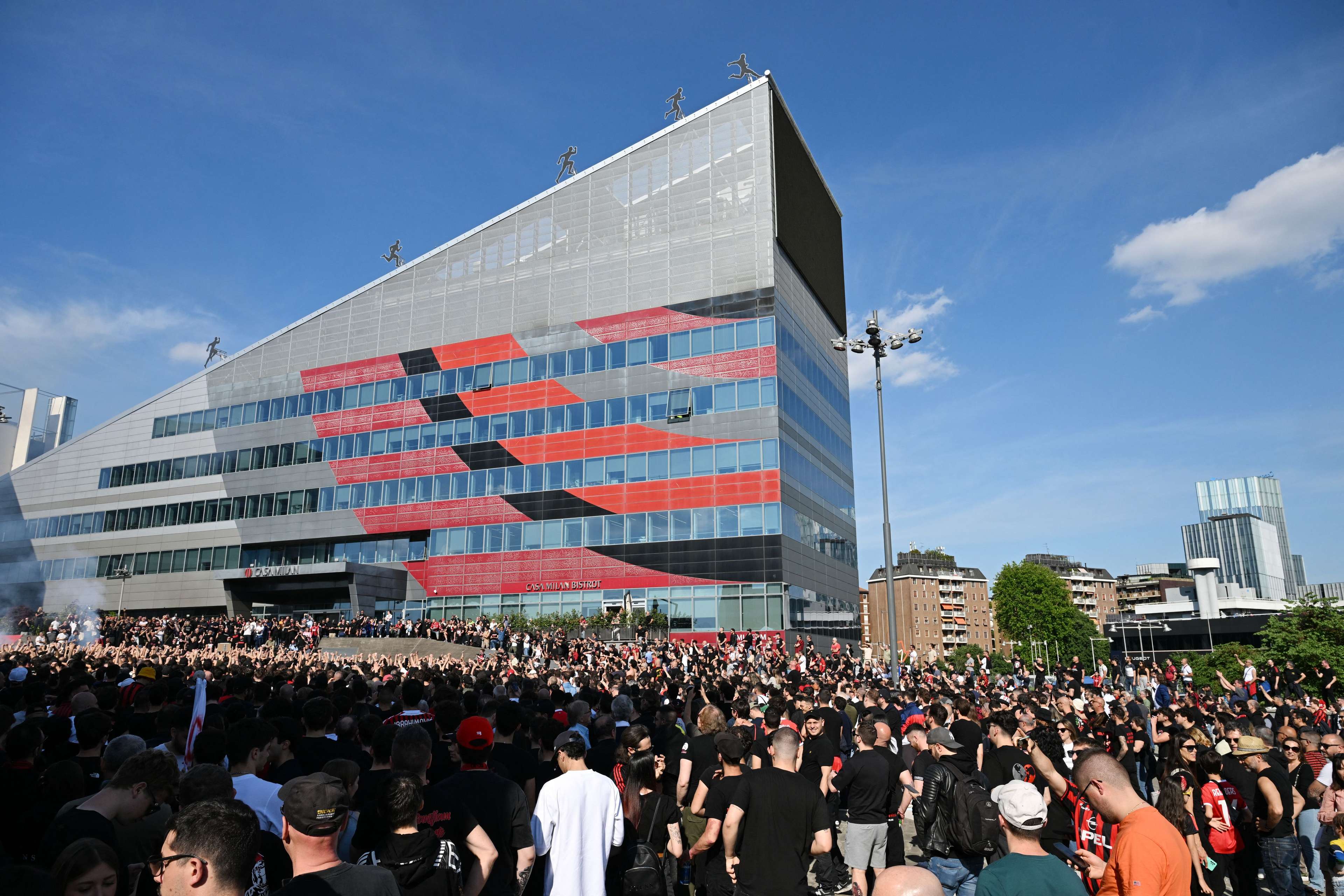

AC Milan Financial Overview 2025-26: A Challenging Year Amidst New Dynamics
As one of Europe’s most storied football clubs, AC Milan stands as a symbol of resilience and historic excellence. However, the 2025-26 financial year marked a notable shift in the club’s economic landscape, ending with a loss of €24 million. This financial setback, while significant, is contextualized by the club’s strong shareholder support and strategic financial management, which have historically allowed Milan to navigate turbulent waters.
The Financial Performance: From Profits to a Loss
Following a streak of three consecutive profitable years, AC Milan’s latest financial statement reveals a departure from previous trends. The club’s accounts for the 2025-26 season show a net loss of €24 million, primarily attributed to the absence from European competitions during the season. This absence had a profound financial impact, estimated between €70 million and €80 million, underscoring how crucial European tournaments are not only for sporting prestige but also for club revenue.
Shareholders’ Equity: A Buffer of Stability
Despite the loss, AC Milan’s financial foundation remains robust. As of June 30, 2026, the club’s shareholders’ equity stood at an impressive €176 million, providing a substantial buffer to absorb the financial shock. This strong equity position highlights the confidence of the club’s investors and their commitment to maintaining stability amid fluctuating football fortunes.
Understanding the Impact of European Competition Absence
The absence from European competitions, such as the UEFA Champions League or Europa League, significantly influences a club’s revenue streams. For AC Milan, this scenario resulted in an estimated €70-80 million shortfall, affecting broadcasting rights, matchday income, sponsorship deals, and commercial partnerships. European nights are not just about sporting glory; they are vital financial events that boost a club’s global profile and revenue.
This financial dip emphasizes the importance of consistent qualification for European tournaments, which remain a cornerstone of the club’s economic model. The absence also impacts the club’s ability to attract top-tier players and maintain competitive squad strength, creating a cycle where sporting performance and financial health are closely intertwined.
Strategic Responses and Future Outlook
In response to this challenging financial year, AC Milan has outlined strategic plans to reinforce its revenue streams and restore profitability. These include strengthening youth development programs, expanding global commercial partnerships, and investing in innovative marketing strategies to enhance brand visibility worldwide.
Furthermore, the club’s focus remains on securing a return to European competitions in the upcoming seasons. Qualification not only boosts the prediction of future revenues but also solidifies Milan’s standing as a top-tier football club. The club’s management recognizes that consistent success on the pitch directly correlates with financial stability and growth.
Football Predictions and the Path Forward
Fans and analysts alike are eager to see how AC Milan’s strategic initiatives and squad improvements will influence future football predictions. The upcoming season is viewed as a critical juncture—success in domestic leagues and qualification for European tournaments are pivotal for reversing the recent financial downturn.
Football prediction models increasingly incorporate financial health as a key variable, emphasizing that a club’s on-field success and economic stability are mutually reinforcing. Milan’s ability to bounce back depends on a combination of tactical excellence, player development, and smart transfer market activities.
Broader Context: The Financial Landscape of Modern Football
The financial data from AC Milan reflects broader trends affecting football clubs worldwide. The increasing financial disparities between clubs, especially with the rise of lucrative broadcasting deals and sponsorships, highlight the importance of sustainable financial management.
Clubs that can diversify revenue sources—through digital engagement, merchandise sales, and global brand expansion—are better positioned to withstand setbacks like missed European qualification. AC Milan’s recent results underscore that even historic giants must adapt to a rapidly evolving football economy.
Conclusion: Navigating Uncertainty with Solid Foundations
While the €24 million loss for AC Milan in the 2025-26 financial year marks a temporary setback, the club’s resilient financial foundation and strategic planning offer a path toward recovery. The emphasis now is on returning to European competitions, enhancing squad competitiveness, and leveraging new commercial opportunities.
For football enthusiasts and prediction analysts, Milan’s future remains promising. The club’s ability to balance sporting ambitions with financial prudence will be crucial in shaping its trajectory in the coming years. As the club aims to restore its dominance, stakeholders and fans alike will be watching closely, hopeful for a return to the glory days both on and off the pitch.