
Ruben Amorim Retains AC Milan’s Backing as the Club Gives Its Project Time
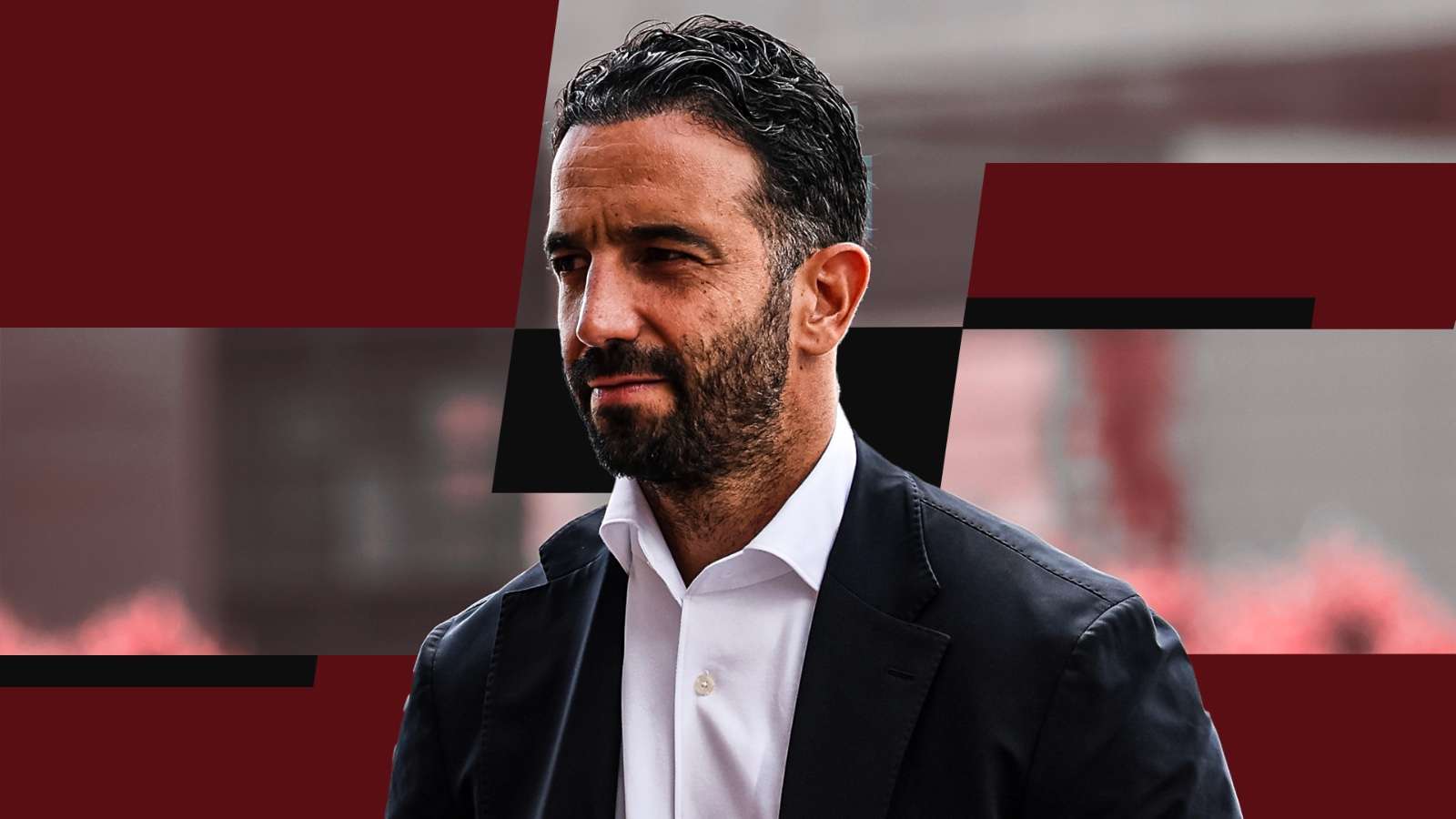
AC Milan are not ready to abandon their long-term plan after a frustrating draw with Sassuolo. Despite questions about the team’s performances and speculation over Ruben Amorim’s future, the Portuguese manager reportedly continues to enjoy the confidence of owner Gerry Cardinale and the club’s leadership.
The result has intensified scrutiny around Milan, with supporters eager to see clearer progress on the pitch. Yet, according to Calciomercato.com, Amorim’s position is not currently under threat. The club’s owners remain committed to giving him the time and resources needed to shape a competitive side, while recognising that building a successful project requires patience, consistency and cooperation across the organisation.
Cardinale and Amorim Review Milan’s Performances
Cardinale and Amorim are said to regularly discuss each match, either face to face or remotely. Their conversations focus on more than the final score: they examine tactical choices, the team’s response during key moments, individual contributions and the overall atmosphere within the squad and around the club.
That review process has taken on added importance as Milan search for a dependable style of play. The draw against Sassuolo prompted fresh discussion about the team’s direction, and reports suggest that both the manager and several players have faced internal scrutiny. Such assessments are part of a demanding season, but they do not necessarily signal that the club is preparing to make an immediate change.
Instead, the message from Milan’s leadership appears to be that difficult performances should be treated as problems to solve rather than reasons to discard the wider plan. Cardinale’s backing gives Amorim room to work, although that support will naturally be judged against what the team delivers in upcoming matches.
Why Milan Are Choosing Patience
A football project built around a new manager can take time to become convincing. Players must adapt to different tactical demands, understand their roles and develop trust in the system. That process can be uneven, particularly when results are not accompanied by performances that show a clear identity.
For Milan, the challenge is to turn the club’s ambition into a coherent team on the pitch. Backing Amorim suggests that the ownership believes continuity can offer a better route to progress than a rapid managerial change. It also places responsibility on the coach and squad to show that patience is being rewarded with improvement.
That distinction matters for supporters. A manager can retain the confidence of the board while still facing legitimate questions about the team’s form. Security in the dugout does not mean the performances are beyond criticism; it means the club appears willing to assess progress over a broader period rather than react to one disappointing result.
Performances Remain a Concern
Milan have continued to collect results through wins and draws, but their performances have not yet established a convincing pattern. The team’s display in its opening match against Torino has been cited as one of its strongest efforts so far. A summer friendly against Manchester United also offered encouraging signs, but those moments have not yet developed into a consistent standard in competitive football.
The concern is not simply that Milan have dropped points. It is that the side has struggled to build on its better moments and make them part of its regular game. Supporters want to see more control, sharper attacking movement and greater consistency from one match to the next. Without those improvements, even a run of respectable results may leave doubts about the team’s longer-term potential.
Amorim’s task is therefore twofold: maintain competitive results while making the team’s football more persuasive. That means finding the right balance between tactical organisation and attacking threat, and ensuring that players can carry the plan out under pressure. The next run of fixtures offers an early opportunity to show whether the side is moving in the right direction.
European Tests and a Demanding Domestic Schedule
Two away trips in Europe—to Salzburg and Bournemouth—are expected to provide significant tests. Travel, unfamiliar surroundings and opponents with different styles can expose weaknesses, but these matches can also reveal how well Milan adapt. Strong performances away from home would offer valuable evidence that the squad is beginning to absorb Amorim’s ideas.
The domestic schedule is no less important. Sunday’s home match against Atalanta will put Milan under pressure against a side capable of making games intense and uncomfortable. Next week’s visit to Udine will then test the team’s ability to recover quickly and maintain focus in a different setting.
For fans following the fixtures, the results will naturally shape the conversation around the club. Any football prediction for Milan’s short-term prospects should account for both the quality of the opposition and the uncertainty surrounding the team’s current form. A strong response could build momentum and ease concerns; another flat display may increase pressure, even if Amorim’s position remains secure for now.
What Milan Need to Show Next
The most important measure over the coming matches may be visible progress rather than a single result. Milan need to demonstrate clearer coordination, greater intensity and a more reliable approach when games become difficult. They also need leaders within the squad to help maintain composure and standards, particularly during challenging away fixtures.
For Amorim, the immediate objective is to translate the club’s backing into performances that supporters can recognise and trust. For Cardinale and the ownership, the challenge is to provide stability while holding the team accountable for its development. Those responsibilities are connected: patience is most credible when it is matched by evidence of learning and improvement.
At present, Amorim remains in charge, with the reported support of Cardinale and the wider club. Milan’s project has not been declared a success, and the team’s uneven displays leave plenty of questions unanswered. But the message from the ownership is clear: the manager will be given time to build. The coming European and domestic fixtures will show whether that confidence can be converted into more convincing football.