
AC Milan Move to Accelerate Markus Krösche Appointment as Head of Football
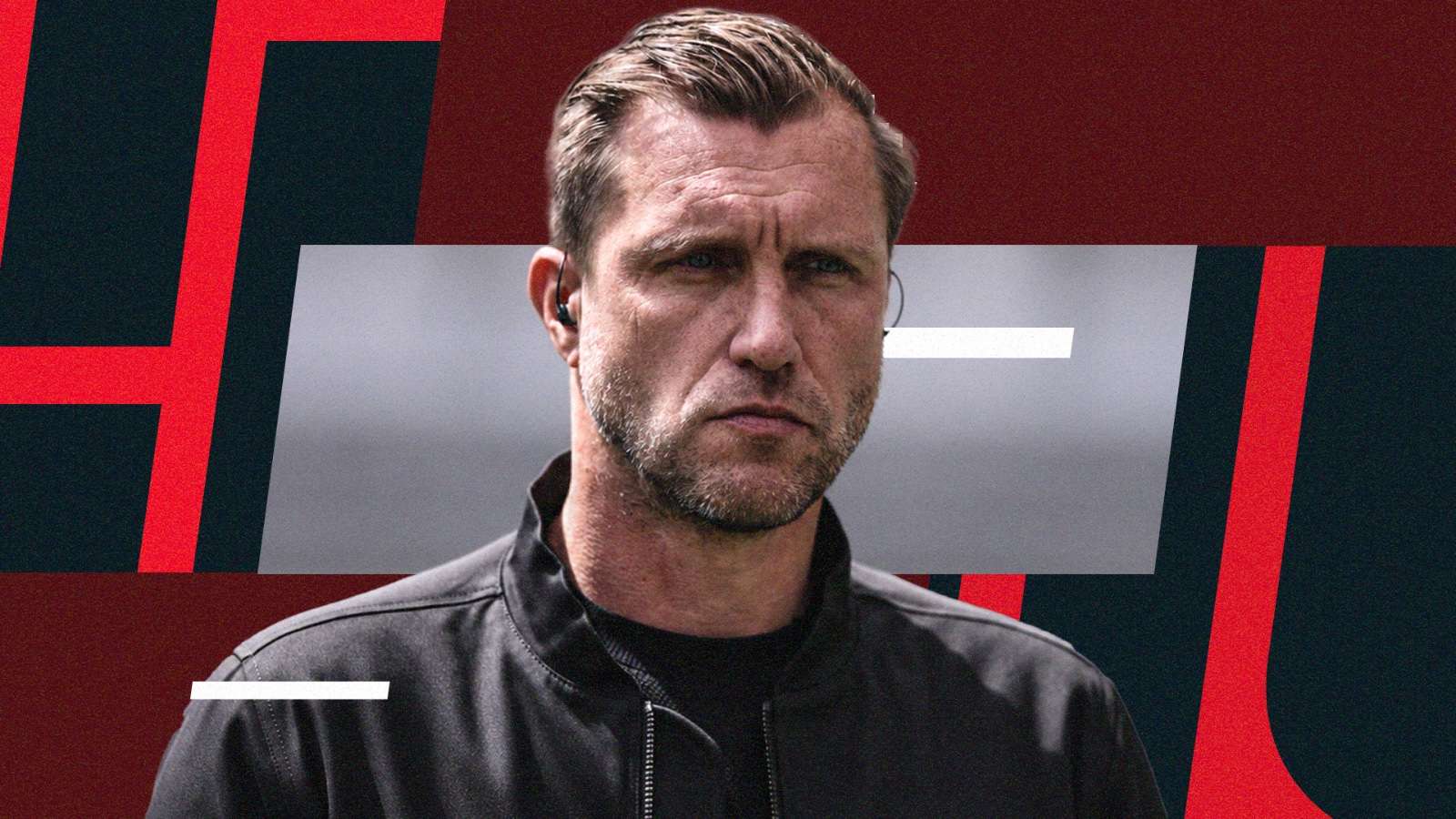
AC Milan owner Gerry Cardinale is expected to step up discussions over the club’s sporting leadership during a busy week in the city. The RedBird Capital founder has made Markus Krösche his preferred candidate for the role of Head of Football, with Milan keen to strengthen the structure responsible for recruitment, squad planning and long-term sporting strategy.
Cardinale recently watched Udinese-Milan in person and is set to remain in Milan for several important events. The Rossoneri face Bologna before turning their attention to next Saturday’s high-profile derby against Inter. Between those fixtures, the club is also due to present its new San Siro stadium project at Castello Sforzesco on Thursday. The packed schedule gives Cardinale an opportunity to address both the club’s immediate priorities and its wider plans for the future.
Why Krösche is Milan’s preferred candidate
Krösche, a 46-year-old German executive who has recently left his position at Eintracht Frankfurt, is viewed as a strong fit for Milan’s ambitions. His reputation is built on a combination of analytical recruitment and an ability to identify players whose value can rise significantly after joining a club with the right development plan.
That profile is particularly appealing to Milan, who must compete at the highest level while managing resources carefully. The modern transfer market increasingly rewards clubs that can identify talent before it becomes widely sought after. A successful recruitment strategy is not simply about spending more than rivals; it also depends on judging a player’s potential, understanding how he fits a team’s style and acting before his price climbs.
Krösche’s work in German football has made him associated with this kind of value-focused approach. His use of data is considered one of his key strengths, but statistics alone do not guarantee successful transfers. The most effective sporting departments combine performance metrics with scouting, medical assessments, personality evaluations and a clear understanding of what the coach needs. Milan’s interest suggests the club wants a leader capable of bringing those strands together.
A role with influence across Milan’s football strategy
The Head of Football position would carry responsibilities beyond selecting transfer targets. A senior executive in the role would typically help coordinate recruitment, contract planning, player development and communication between the ownership group, sporting staff and coaching team. The appointment could therefore influence how Milan build their squad over several windows, rather than only shaping one summer’s business.
For the club, the challenge is to create a consistent football identity. A clear recruitment model can help prevent the squad from becoming a collection of unrelated signings, while also making it easier to plan for departures, renewals and emerging academy players. Milan need to balance the demands of Serie A with European competition, and that requires depth across the squad as well as a reliable pipeline of younger talent.
Krösche’s perceived ability to discover players at a manageable cost is central to his appeal. If Milan can recruit intelligently and improve the value of those players through coaching and development, they may be better placed to compete with clubs operating on larger budgets. That is a long-term advantage, although it depends on sound decision-making and patience from the club’s leadership.
The clause that could slow the process
Despite Cardinale’s apparent desire to move quickly, an unresolved contractual clause is reported to be a potential complication. Its precise terms have not been made public, so it is unclear whether it concerns a notice period, an existing agreement or another condition tied to Krösche’s departure from Frankfurt. Until the matter is clarified, it could affect the timing or structure of any agreement with Milan.
Such clauses are common in senior football appointments. Even when an executive has left a club, contractual obligations can influence when he is free to take up a new position or what conditions must be met first. Milan may be keen to settle the issue promptly, but the details will need to be handled carefully to avoid delaying the appointment or creating uncertainty around the club’s plans.
The timing matters because sporting departments often begin preparing for transfer windows well before they open. Milan will want any new head of football to have enough time to assess the squad, discuss priorities with the coaching staff and shape a recruitment plan. A delay would not necessarily derail the process, but it could reduce the time available for a new executive to influence decisions.
What the appointment could mean for Milan’s next phase
Cardinale’s presence in Milan during a run of major sporting and stadium-related events underlines the scale of the decisions facing the club. The proposed San Siro project represents a significant part of Milan’s commercial and infrastructure ambitions, while the search for a Head of Football concerns the team’s competitive direction. Both issues point to a broader effort to establish a stronger foundation for the club’s future.
For supporters, the key question will be whether a new appointment leads to a more coherent and effective transfer policy. A data-led approach can help narrow the search for suitable players, but success ultimately depends on the quality of the final choices and how well new signings adapt to Italian football. Milan will also need to protect the balance between experienced leaders and younger prospects as they seek to remain competitive in domestic and European competitions.
The derby against Inter will command immediate attention, but the executive discussions taking place alongside it could have a longer-lasting impact. Any prediction about Milan’s next transfer strategy remains premature until the contractual issue is resolved and the club confirms its plans. Still, Krösche’s profile appears to match the qualities Milan are looking for: analytical judgement, market awareness and a record of identifying talent with room to grow.
If the clause can be addressed without a prolonged delay, Cardinale may be able to accelerate the appointment and give Milan’s new football leadership time to prepare for the challenges ahead. The outcome could shape not only the club’s next recruitment campaign but also the way Milan build, develop and retain their squad in the seasons to come.