
Ambrosini Says Milan’s Next Football Chief Must Support Amorim
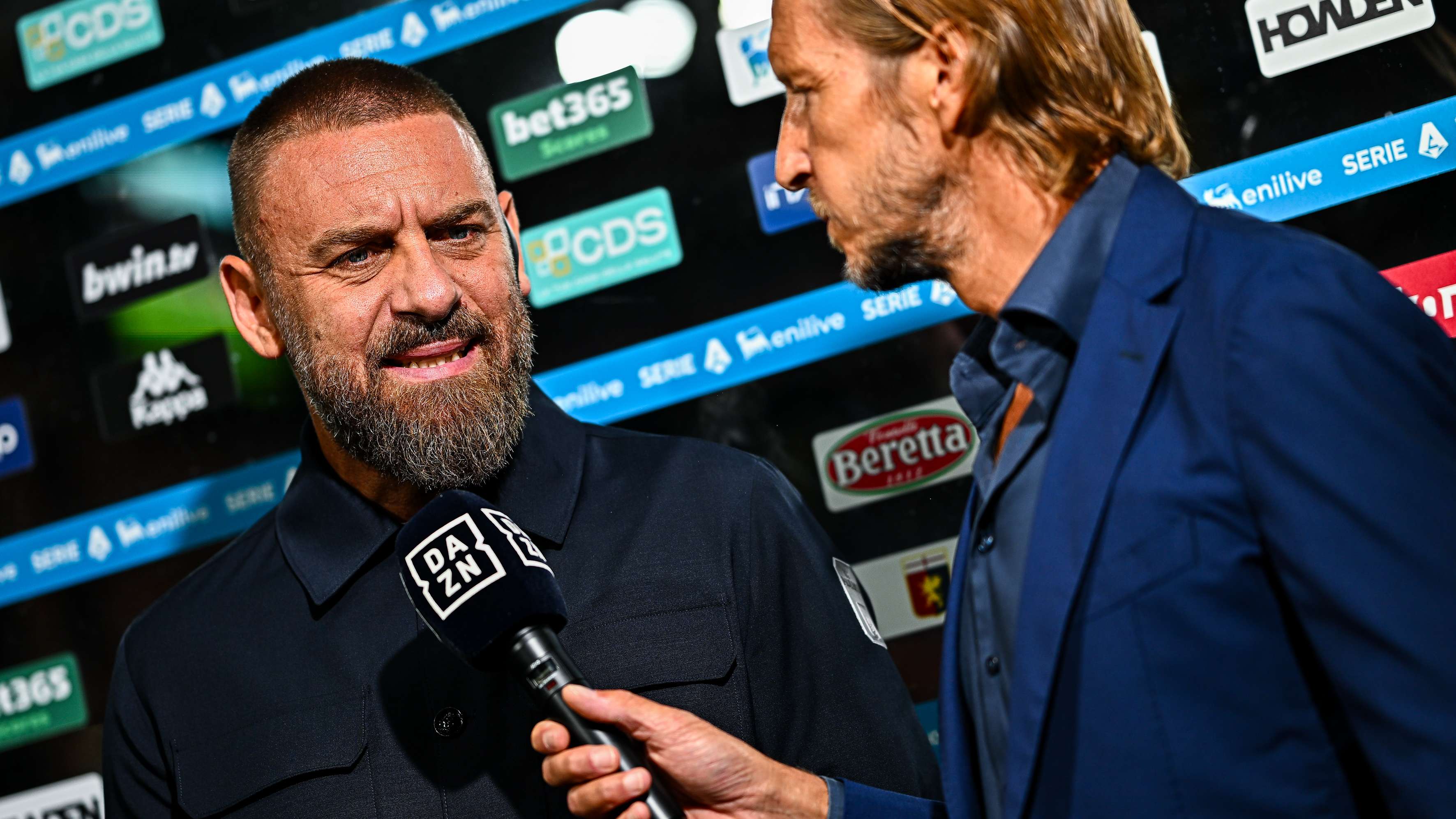
AC Milan’s search for a new senior football executive has prompted former midfielder Massimo Ambrosini to highlight a key requirement for the role: the successful candidate must be able to work closely with the club’s manager, Ruben Amorim. Speaking on DAZN, Ambrosini said the appointment should be judged less by nationality and more by whether the new executive can provide practical and personal support during challenging periods.
Milan are reportedly considering German executive Markus Krösche as a leading candidate. His potential arrival would underline the club’s willingness to look beyond Italy as it evaluates options for a position that can shape recruitment, squad planning and the wider football strategy. For Ambrosini, that international approach would not be surprising given the way the club is structured and operates.
Ambrosini: Nationality Should Not Decide Milan’s Appointment
Ambrosini said he had not expected Milan to make an Italian candidate the automatic choice. In his view, the club’s operating model makes it natural to consider executives from different football cultures and markets. The decisive question, he suggested, is whether the person appointed can fit into Milan’s decision-making structure and build an effective relationship with the manager.
That distinction matters because the head of football is not simply a public-facing figure or a transfer negotiator. The role can involve coordinating recruitment, assessing the squad’s needs, planning for future windows and helping align the club’s sporting ambitions with its financial resources. A candidate’s experience and working methods may therefore count for more than their passport.
Considering a German executive such as Krösche could also bring a different perspective to Milan’s planning. Executives who have worked in other leagues may offer distinct approaches to scouting, player development and squad construction. However, any new arrival would still need to understand the expectations that come with working at a high-profile club with a demanding fan base and a long history of success.
Why the Relationship With Amorim Could Be Crucial
Ambrosini’s main concern was the support available to Amorim. He said he did not know the internal dynamics at Milan, but his impression was that the manager often appears to be the person speaking in a wide range of situations. A strong football executive, Ambrosini suggested, could create a more balanced partnership and give the coach someone with whom to discuss difficult decisions.
That support could be valuable on both a professional and personal level. Managers are expected to explain results, address squad issues and communicate the club’s direction, often while working under intense scrutiny. Having a trusted executive involved in those conversations may help share the pressure and ensure that major sporting decisions are not left to the coach alone.
A close working relationship would not mean that the executive simply agrees with the manager. Instead, it would require clear communication, mutual trust and a shared understanding of Milan’s priorities. The football chief would need to listen to Amorim’s assessment of the squad while also contributing an independent view on recruitment, budgets and long-term planning.
Alignment Over Titles
Ambrosini stressed that the candidate’s technical background is not the only consideration. Whether Italian or foreign, the new executive must be someone who “gets along with the manager.” That does not necessarily mean choosing a personal ally; it means appointing someone capable of constructive disagreement and consistent cooperation.
When a club’s coach and recruitment leadership are not aligned, transfer plans can become disjointed. A manager may request players who do not match the club’s strategy, while executives may pursue targets who are difficult to integrate into the team’s style. Clear communication can reduce that risk, helping recruitment decisions reflect both immediate needs and longer-term objectives.
For Milan, the challenge will be to establish responsibilities from the outset. The club must determine how much influence Amorim has over recruitment, which decisions belong to the executive team and how disagreements will be resolved. A well-defined structure can give the manager room to focus on football while ensuring that the club maintains a coherent plan beyond any single season.
What Krösche’s Candidacy Could Mean for Milan
Krösche’s reported position as a favourite makes the appointment an important storyline for Milan supporters. If he is selected, attention will turn to how quickly he can assess the squad, identify priority positions and establish a productive relationship with Amorim. The executive’s ability to connect recruitment with the manager’s tactical requirements could be just as significant as the names pursued in the transfer market.
Supporters will also look for signs that the new structure can deliver continuity. A football department needs to plan for more than one transfer window, balancing short-term improvements with the development of younger players and the retention of key performers. That work becomes particularly important when results are inconsistent or when the manager is under pressure to deliver quickly.
There is no guarantee that appointing a high-profile executive will immediately solve those challenges. Success depends on the authority given to the role, the quality of collaboration across the club and the ability to turn a shared strategy into effective decisions. Still, Ambrosini’s comments point to a practical measure of the appointment: whether the new football chief makes Milan’s leadership more connected and better equipped to support the team.
Early Prediction: Partnership Will Shape Milan’s Next Phase
Any prediction about Milan’s next steps should remain cautious until the club confirms its choice and outlines the executive’s responsibilities. Even so, Ambrosini’s remarks suggest that the most important outcome may not be whether Milan appoints an Italian or a foreign candidate. It will be whether the new executive can build trust with Amorim and help create a united sporting direction.
If that partnership develops well, Milan could benefit from more coordinated recruitment, clearer communication and a stronger support system around the manager. If the relationship is strained, even an experienced appointment may struggle to make a lasting impact. For a club with Milan’s ambitions, the search for a new football chief is therefore about more than filling a vacancy: it is an opportunity to strengthen the link between the boardroom, the transfer strategy and the team on the pitch.