
Michel Platini Criticizes FIFA Leadership: An In-Depth Analysis of Football Governance and Future Predictions
The world of football is often characterized by its passion, drama, and ongoing debates about the integrity and direction of the sport. Recently, one of the most prominent figures in football history, Michel Platini, has reignited controversy with scathing criticism of the current FIFA leadership under President Gianni Infantino. Once a close ally and influential figure at UEFA, Platini’s recent actions and outspoken comments reveal deep discontent with the state of football governance and hint at significant implications for the sport’s future.
From UEFA Legend to Vocal Critic: The Rise and Fall of Michel Platini
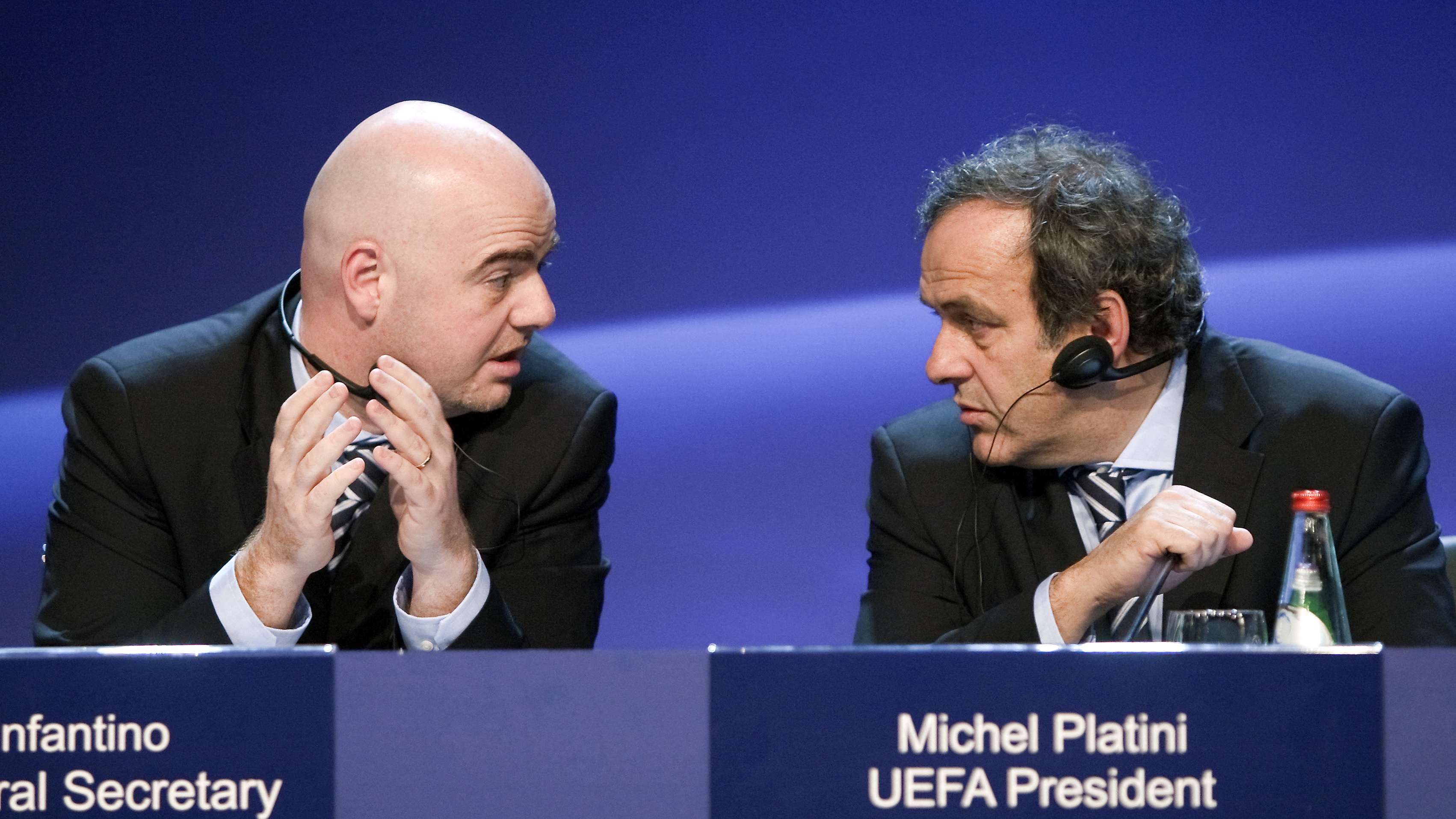
Michel Platini, the legendary French footballer and former UEFA president, was once regarded as a visionary leader who sought to elevate the sport’s integrity and global reach. His tenure at UEFA was marked by efforts to modernize football administration and promote fair competition. However, his relationship with FIFA and its leadership has been tumultuous, culminating in recent legal actions and public statements that question the legitimacy and motives of current football authorities.
In a recent high-profile lawsuit, Platini accused FIFA President Gianni Infantino of “abuse of power,” “conspiracy to commit defamation,” and “slander.” These serious charges underscore a deep rift rooted in disagreements over governance, transparency, and the ethical direction of football’s world governing body. The fallout from these accusations not only shakes the foundations of FIFA but also raises broader questions about the transparency of football administration worldwide.
Insights from the “Canal Football Club”: Platini’s Perspectives on Power and Football Politics
During an engaging interview on the renowned “Canal Football Club” program, Platini didn’t hold back in criticizing the current management structures within football. He reflected on his past association with Gianni Infantino, recalling that their bond has since dissolved entirely. “He was, to some extent, answerable to a higher authority,” Platini remarked, highlighting a perceived shift in power dynamics within FIFA.
He also expressed concerns about the obsession with money and power among football administrators, suggesting that these traits have corrupted the sport’s governance. “I always knew he was fond of money and power,” Platini said, emphasizing the importance of integrity and passion over greed in managing football.
The Real Leaders of Football: Beyond the Bureaucracy
One of Platini’s most compelling points is his assertion that the true essence of football lies not in the officials who sit in governing bodies but in the players and icons who inspire millions worldwide. “Football is a beautiful celebration; it’s about matches and the passion of the fans,” he explained. “The real rulers of football are legends like Kylian Mbappé, Zinedine Zidane, and Diego Maradona—players who embody the spirit of the game.”
He criticized the bureaucratic nature of football management, arguing that many officials reach high positions primarily for personal glory and financial gain, often losing sight of the sport’s core values. This critique resonates with many football fans and analysts who believe that current leadership sometimes prioritizes commercial interests over sporting integrity.
Gianni Infantino’s Leadership Under Fire: Failed Promises and Future Outlook
Turning his focus to Gianni Infantino, Platini delivered a brutal verdict: “He has failed because he is supposed to be the guarantor of the laws of the game, yet he has repeatedly disregarded them. It’s time for him to step down.”
This statement echoes a growing sentiment among football enthusiasts and insiders who question Infantino’s transparency, decision-making, and commitment to fair play. Since assuming office in 2016, Infantino has overseen several controversial decisions, including the controversial 2022 Qatar World Cup, debates over tournament hosting rights, and allegations of governance irregularities.
The Future of Football: Predictions and Insights
Amidst this turbulence, many experts and fans are keen to understand what lies ahead for football. Based on current trends and Platini’s outspoken criticism, several predictions emerge:
- Reforms in Governance: Expect increased calls for transparency and accountability within FIFA, possibly leading to reforms that empower players, coaches, and independent oversight bodies.
- Emergence of Player-Led Initiatives: As Platini mentioned, the real power may shift toward iconic players and emerging stars who represent the true spirit of football, potentially influencing governance and decision-making processes.
- Focus on Fair Play and Ethics: There will likely be a renewed emphasis on ethical standards, with stakeholders advocating for cleaner, more transparent competitions free from corruption and undue influence.
- Global Competitions and Prediction of Outcomes: As the football landscape evolves, predictions for upcoming tournaments such as the UEFA Champions League, FIFA World Cup qualifiers, and continental championships remain highly anticipated. Experts suggest that emerging talents like Kylian Mbappé and Vinícius Jr. will continue to shape the future of international football, bringing innovation and excitement to the game.
Implications for Football Fans and Stakeholders
The ongoing disputes and criticisms surrounding FIFA’s leadership have significant implications for fans, clubs, and national associations alike. Transparency and fair governance are essential to maintaining the sport’s integrity and ensuring that global tournaments remain competitive and exciting.
For football enthusiasts eager to follow the latest developments, engaging with forums like “Kooora” offers a platform to discuss these issues in depth. Fans can analyze predictions for upcoming matches, debate the effectiveness of current leadership, and share insights on the future trajectory of football.
Conclusion: A Call for Renewal and Passion in Football
Michel Platini’s outspoken critique underscores a broader need for reform in football governance—one rooted in integrity, transparency, and respect for the sport’s fundamental values. As the world eagerly anticipates upcoming tournaments and the next chapter of football history, it is crucial that leadership evolves to reflect the true spirit of the game. Fans and stakeholders alike should stay vigilant, voice their opinions, and support initiatives that prioritize the beautiful game over personal gain.
In the end, football remains a universal language of passion, unity, and excellence. With renewed focus and genuine leadership, the sport can continue to inspire generations and uphold its rightful place at the heart of global culture.