
FIFA Council Controversy: João Pinheiro Speaks Out
Portugal’s João Pinheiro has finally broken his silence on the controversy surrounding Argentina’s World Cup quarter-final against Switzerland, where he was the referee in charge. The FIFA Council’s decision to embarrass him severely has sparked a debate in the football community.
Flashpoints in the Match
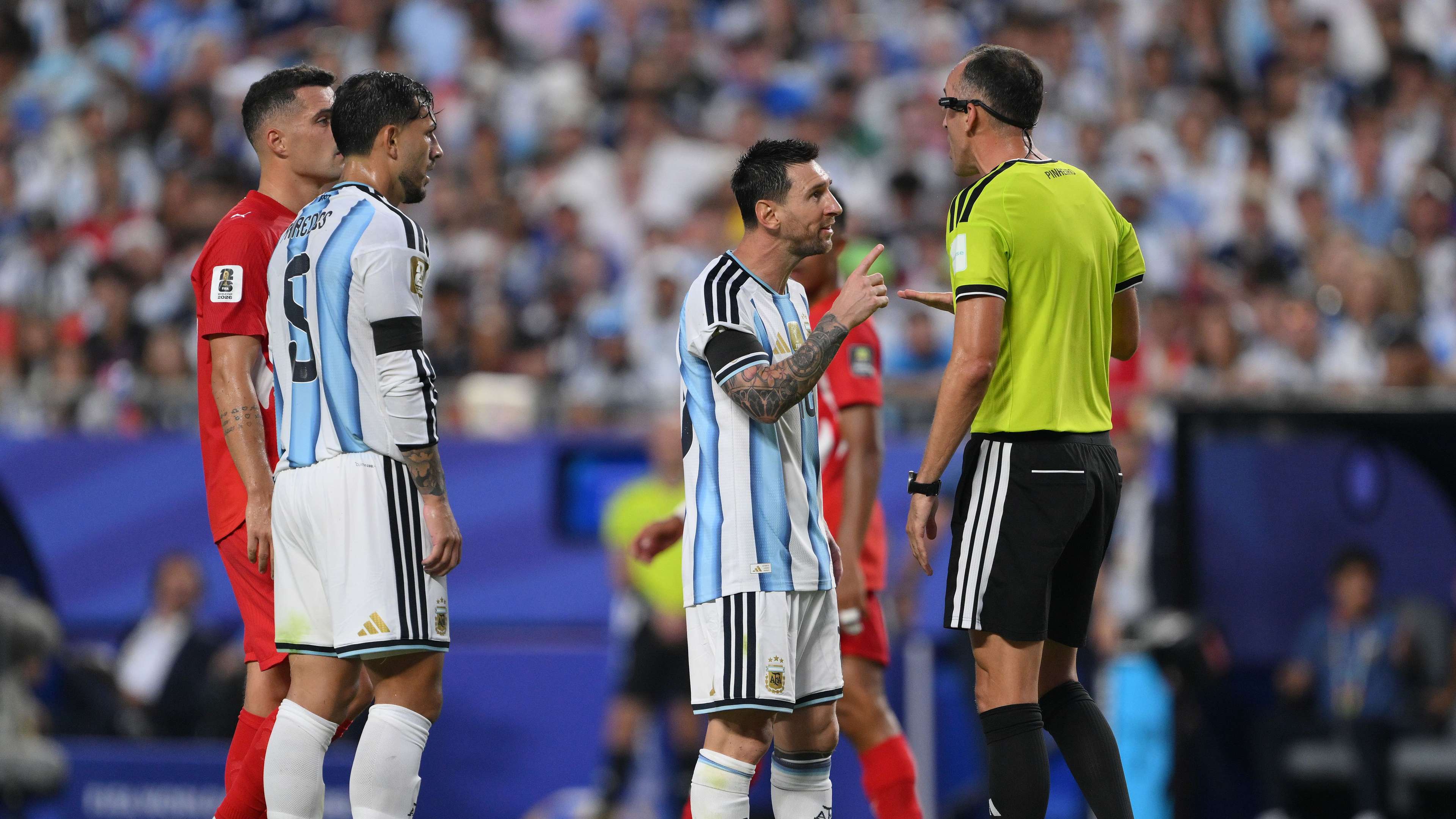
One of the main incidents that soured the tie was the dismissal of Breel Embolo, following a second yellow card given after a video review. Pinheiro also faced a heated clash with Argentine star Lionel Messi during the match.
Pinheiro explained to Marca that his team initially saw Messi’s challenge as a bookable foul, but upon reviewing the incident, they realized it was a case of play-acting. This led to Embolo’s sending off, as it was his second yellow card.
He welcomed the changes FIFA has implemented to eliminate such behavior from the game, emphasizing the importance of fair play and sportsmanship.
IFAB’s Confirmation of Mistake
The International Football Association Board (IFAB) confirmed that the decision to send off Embolo during the 2026 World Cup quarter-final was a mistake. The video review process that led to the second yellow card was deemed incorrect.
IFAB clarified that Embolo did not deserve to be sent off for simulation, altering the course of the game in the 72nd minute. Argentina eventually went on to win 3-1 in extra time, advancing to the next round.
Tense Exchange with Messi
Cameras also captured a verbal altercation between Pinheiro and Lionel Messi, where the Argentine captain demanded respect from the referee. Pinheiro downplayed the incident, stating that such exchanges are common in football.
He highlighted that communication between players and referees is essential for managing games effectively without resorting to disciplinary actions. Despite the attention the incident received due to Messi’s involvement, Pinheiro emphasized that similar conversations occur with other players as well.
Memorable Experience at the World Cup
The tournament left a lasting impact on Pinheiro, as it marked the return of Portuguese officiating to the World Cup finals after twelve years. He expressed gratitude towards the Portuguese Football Federation president, Pedro Proença, for his support throughout the competition.
Pinheiro described the World Cup experience as a wonder that one truly appreciates only when they are a part of it. He acknowledged the greatness of the tournament and the role referees play in ensuring fair play on the field.
Overall, João Pinheiro’s reflections on the controversy and his experiences at the World Cup shed light on the challenges and responsibilities of being a top-level football referee.
Impact of FIFA Council’s Decision
The fallout from the FIFA Council’s decision to publicly criticize João Pinheiro has raised concerns about the treatment of referees in high-stakes matches. The incident has sparked a broader conversation about the pressures and scrutiny placed on officials in crucial games, where their decisions can have significant implications on the outcome.
Referees like Pinheiro operate under immense pressure, with split-second decisions scrutinized by millions of fans, players, and officials. The controversy surrounding the World Cup quarter-final serves as a reminder of the challenges referees face in maintaining fairness and integrity on the field.
Evolution of Video Review in Football
The incident involving the dismissal of Breel Embolo highlights the evolving role of technology in football officiating. Video review systems have been implemented to help referees make more accurate decisions, but they are not without their challenges.
The IFAB’s acknowledgment of the mistake in Embolo’s red card decision underscores the need for continued refinement and training in using video review technology. Referees must balance the benefits of video assistance with maintaining the flow and spirit of the game.
Managing Player-Referee Interactions
The tense exchange between João Pinheiro and Lionel Messi sheds light on the complex dynamics of player-referee interactions on the field. Communication between players and officials is crucial for effective game management, but it can also lead to confrontations and disagreements.
Referees must strike a balance between maintaining authority and showing respect to players, all while upholding the rules of the game. Pinheiro’s handling of the situation with Messi exemplifies the diplomatic skills required of top-level referees in diffusing tensions and maintaining control.
Legacy of the World Cup Experience
João Pinheiro’s reflections on his World Cup experience emphasize the profound impact that officiating at a major tournament can have on a referee’s career. The opportunity to be part of such a prestigious event not only highlights the individual’s skills and expertise but also underscores the importance of fair play and sportsmanship in football.
Pinheiro’s gratitude towards the Portuguese Football Federation and his acknowledgment of the tournament’s greatness reflect the dedication and passion that referees bring to their roles. The World Cup serves as a stage for referees to showcase their abilities and contribute to the integrity of the sport.
Conclusion
In conclusion, João Pinheiro’s response to the controversy surrounding Argentina’s World Cup quarter-final sheds light on the challenges and rewards of being a top-level football referee. The incident serves as a reminder of the complexities and pressures that officials face in making split-second decisions that can impact the outcome of matches.
As football continues to evolve with technological advancements and increased scrutiny, the role of referees in upholding fair play and maintaining the integrity of the game remains paramount. Pinheiro’s experiences at the World Cup underscore the dedication and professionalism required to officiate at the highest levels of the sport.