
Angela Merkel Sends Message of Support to Bayern Munich Coach Vincent Kompany
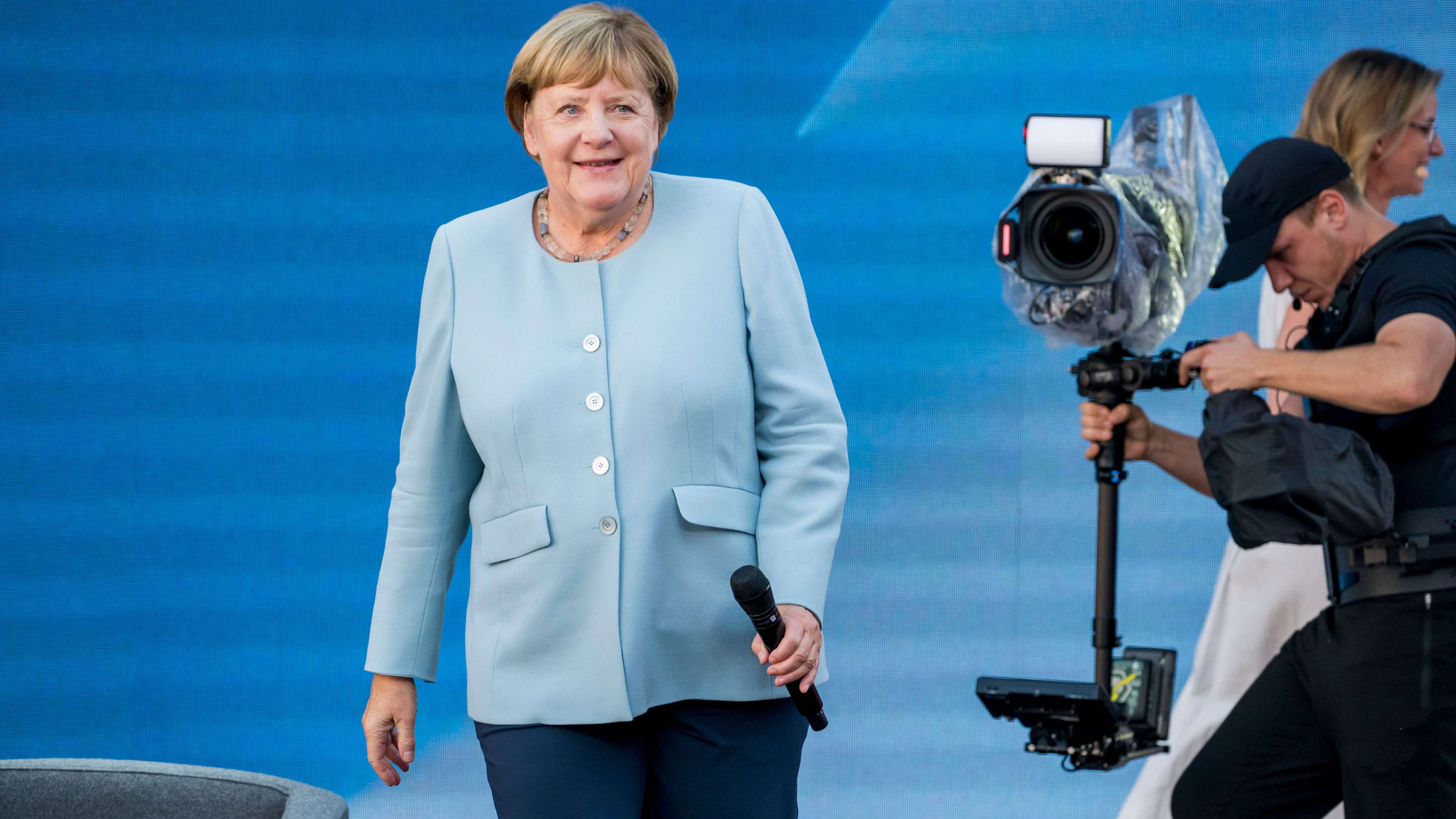
Former German Chancellor Angela Merkel has expressed her support for Vincent Kompany after the Bayern Munich manager experienced a health-related setback, urging him to focus on recovery rather than feel pressured to return to work. Merkel praised the Belgian coach’s leadership and his outspoken opposition to discrimination, saying he was the kind of manager she would have wanted if she had played football.
Speaking to German outlet Sport1, Merkel said she was saddened to hear what had happened to Kompany and hoped he would be surrounded by people willing to give him the time and space he needs. Her comments offered a personal perspective on the importance of taking physical warning signs seriously, particularly for people working under intense public and professional pressure.
Merkel Urges Kompany to Take the Time He Needs
Merkel’s message was both warm and direct: recovery should come before any discussion of a return to the touchline. She said she wished Kompany a swift recovery, while stressing that he should not be rushed back before he is ready.
“I wish him a swift recovery, and that he is surrounded by people who give him the space and time needed to heal, without any pressure,” Merkel said. “I myself know something about the need for time.”
Her remarks resonate in elite football, where managers face relentless demands. A head coach is expected to prepare training sessions, make tactical decisions, manage players and staff, and represent the club in public. At a major team such as Bayern Munich, those responsibilities are magnified by the club’s expectations, media attention and the constant scrutiny that comes with competing for domestic and European honours.
Merkel’s comments serve as a reminder that even highly experienced leaders may need to step back when their health requires it. In football, where results and schedules often dominate headlines, a manager’s wellbeing can receive less attention than team selection or the next match. Her message shifts the focus toward recovery and the value of support from colleagues, employers and family.
Praise for Kompany’s Leadership and Values
Alongside her concern for his health, Merkel spoke admiringly about Kompany’s work and public principles. She highlighted his opposition to discrimination and his willingness to address broader social issues, qualities that have helped shape his reputation beyond the technical side of coaching.
“I have great respect for the work of Vincent Kompany, as well as for his clear stances against discrimination and on many other issues,” Merkel said. She added that, if she were a footballer—whether in the men’s or women’s game—Kompany would be the kind of coach she would choose to work with.
The comment reflects a wider view of modern football leadership. Coaches are judged not only by results, formations and trophies, but also by how they communicate, build trust and set standards within a team. A manager’s response to discrimination and their ability to create an inclusive environment can influence the culture of a squad as much as their tactical approach.
For players, a coach’s values can shape the atmosphere in the dressing room and the way a club is perceived by supporters. Merkel’s praise therefore points to an aspect of Kompany’s leadership that extends beyond Bayern’s matchday performance: the example he sets and the principles he is willing to defend.
Merkel Connects Kompany’s Situation to Her Own Experience
Merkel drew a personal comparison between Kompany’s circumstances and an episode from her time as chancellor. She suggested that people do not always choose to stop working; sometimes, a significant event forces them to recognise that their body needs a pause.
“Vincent Kompany certainly did not choose to stay at home of his own accord,” she said. “Rather, it took an incident to happen for his body to finally send him a clear message: stop! And that is exactly what happened to me too.”
Her reference was to a moment in 2019, when television cameras showed her shaking during a military honours ceremony. The images prompted widespread concern and public discussion. Merkel later attributed the episode to a release of accumulated tension. She also reflected on possible emotional factors, including the death of her mother and the realisation that she was preparing to leave the chancellorship.
The memory gives her support for Kompany added weight. Merkel was speaking not simply as a former political leader commenting on a football figure, but as someone who had experienced a moment when stress and the body’s response became impossible to ignore. Her message is that recovery should not be treated as a weakness or an inconvenience to be overcome on a fixed timetable.
Why the Message Matters in Modern Football
Professional football operates at a pace that can make rest difficult to prioritise. Clubs compete across league, cup and European schedules, while managers are expected to remain available for media duties and decision-making throughout the season. That pressure can make a health-related absence especially challenging, both for the individual and for the organisation.
Yet a manager’s recovery is also a practical concern for the club. Rushing someone back before they are ready may undermine their health and make it harder for them to perform effectively. Giving a coach appropriate time, privacy and support can help create a more sustainable return, while also demonstrating that wellbeing matters alongside results.
For Bayern supporters following the latest football news, Kompany’s recovery will naturally be a key point of interest. Match previews, team updates and football predictions may focus on how Bayern approach upcoming fixtures, but the human story is just as important. The club’s short-term plans on the touchline should be considered alongside the longer-term priority of ensuring its manager can recover properly.
Merkel’s words offer no prediction about when Kompany will return, and that is precisely the point: a timetable should not take precedence over his health. Her message is one of solidarity, respect and patience. By praising his work and values while urging him to take the time he needs, she has placed the focus where it belongs—not on the next result, but on the person behind the role.