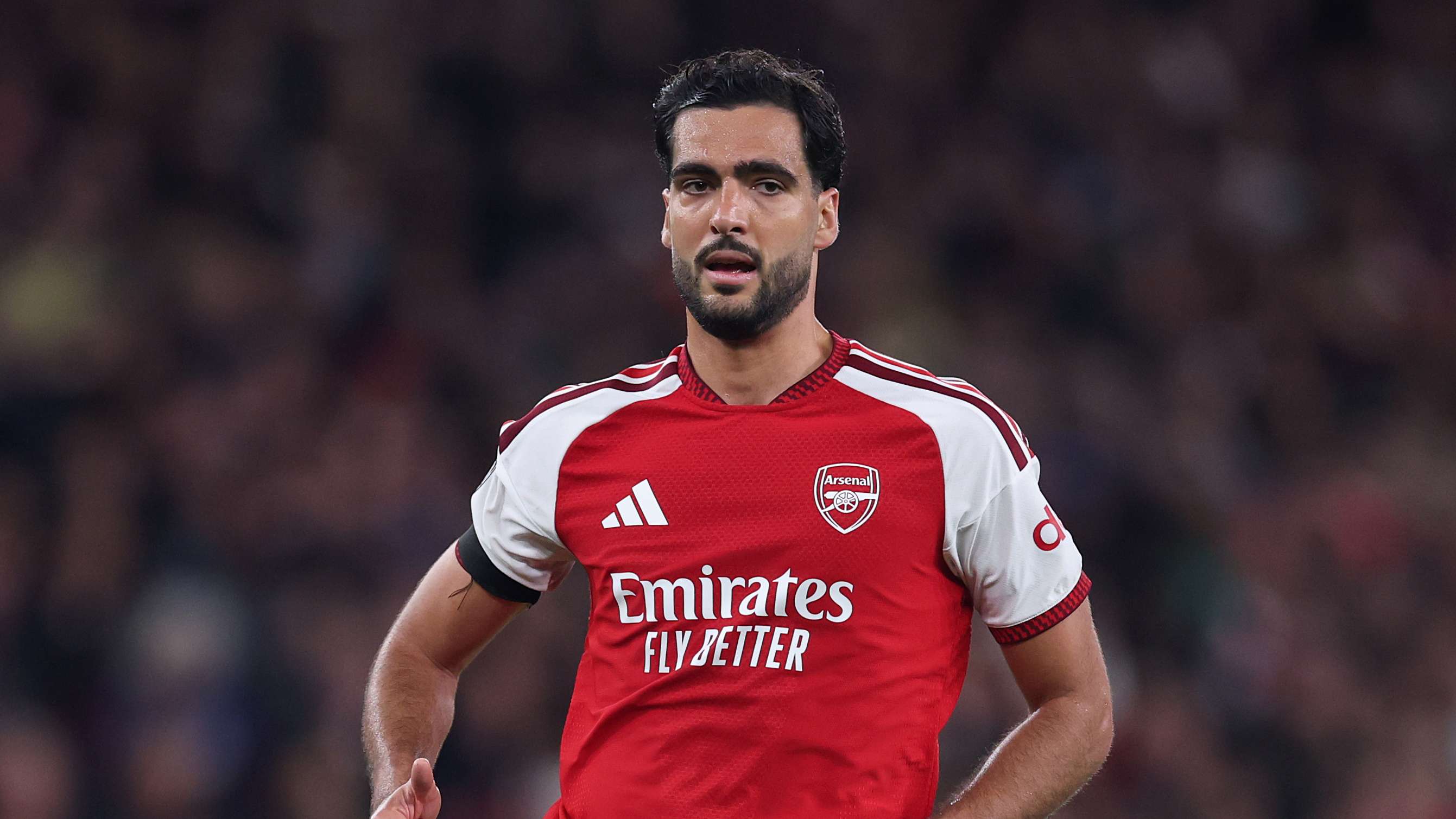

Mikel Merino recalls the routine change that kept him off Borussia Dortmund’s bomb-hit bus
Arsenal midfielder Mikel Merino has spoken about the frightening coincidence that kept him away from Borussia Dortmund’s team bus when it was struck by explosions in 2017. The Spanish footballer was only 20 and playing for the German club at the time. A small change to his usual routine meant he did not travel with the squad that evening—an ordinary decision that, in hindsight, placed him outside the immediate danger.
The attack took place as Dortmund’s bus was travelling to the stadium for a major European fixture against Monaco. Three explosive devices detonated near the vehicle, shattering windows and injuring defender Marc Bartra and a police officer. The incident stunned the football world, turning a matchday journey into a moment of terror and prompting urgent questions about security around professional teams.
A normal matchday took an unexpected turn
Merino’s account is a reminder of how quickly an everyday plan can change. He had been part of Dortmund’s squad, but circumstances led him to make a different journey rather than board the team bus. He was not on the vehicle when the blasts occurred. At the time, the decision would have seemed routine; only after the explosions did its significance become clear.
For players, matchdays are usually built around familiar patterns: team meetings, meals, travel, warm-ups and preparation for the opposition. These routines help footballers manage pressure and focus on performance. Merino’s experience shows that even a minor variation can have consequences far beyond the pitch, though it is important not to treat the episode as a prediction or proof that anyone could have anticipated the attack. The change was fortunate, not a calculated response to a known threat.
The 2017 Borussia Dortmund bus bombing
Dortmund were travelling to face Monaco in the UEFA Champions League quarter-final when the explosions occurred near the team vehicle. The force damaged the bus and caused injuries, including to Bartra, who required medical treatment. The match was postponed and later played the following day, as players, staff and supporters tried to process what had happened.
The attack had an immediate emotional impact on the squad. Players had been preparing for one of the biggest fixtures of their season, only to find themselves dealing with fear, uncertainty and concern for their teammates. The incident also affected the wider football community, where clubs, governing bodies and fans expressed solidarity with Dortmund and those injured.
Authorities investigated the bombing, and the case became a stark example of the security challenges that can surround high-profile sporting events. Teams often travel with police coordination and carefully planned routes, but the Dortmund attack demonstrated that even established procedures cannot eliminate every risk. In its aftermath, clubs and organisers faced renewed scrutiny over how they assess threats, protect players and respond when an emergency occurs.
Why Merino’s recollection still resonates
Merino’s story is compelling not because it offers a dramatic football prediction, but because it highlights the unpredictable nature of life beyond the game. Supporters often see players through the lens of results, transfers and tactical decisions. Yet footballers are also people navigating ordinary choices—where to go, how to travel and whether to follow their usual schedule. In Merino’s case, one such choice separated him from the scene of a serious attack.
Looking back can make a chance event feel almost destined. Merino’s description of his escape invites that reaction, but it also underlines how hindsight reshapes our understanding of everyday moments. Before the explosions, his altered routine was simply a practical detail. Afterwards, it became a defining part of his memory of the night.
Stories like this can also help explain why traumatic events remain significant long after the headlines fade. For those directly affected, the experience is not just a brief interruption to a season. It can influence how they think about safety, travel and the fragile boundary between normal life and sudden danger. Merino’s reflections bring a personal perspective to an event often remembered through match reports and security updates.
From Dortmund to Arsenal
Merino has since built a career across several major European clubs, developing a reputation as a versatile midfielder with experience in different leagues and football cultures. His time at Dortmund formed an early chapter in that journey, giving him exposure to elite competition while also placing him close to one of the sport’s most unsettling incidents.
Now associated with Arsenal, Merino’s past offers a reminder that a player’s career is shaped by more than what happens during the 90 minutes. Training, travel, teammates and personal experiences all contribute to the person supporters see on the field. His account adds depth to the story of a footballer whose professional path has included both major sporting challenges and an extraordinary brush with danger.
A lasting lesson for football
The Dortmund bus bombing remains a painful episode in modern football history. It showed how vulnerable teams can be while travelling and how an attack can disrupt not only a fixture but the lives of everyone involved. It also prompted conversations about prevention, emergency planning and the responsibility of clubs and authorities to protect players, staff and supporters.
Merino’s escape was the result of timing and circumstance, not foresight. That distinction matters: there is no reliable method for predicting a sudden attack from a routine change alone. Still, his recollection gives the event a human dimension. Behind every fixture list and pre-match prediction are people whose safety depends on careful planning—and, at times, on chance.
For fans following Arsenal and the wider football world, Merino’s story is a striking reminder of how a seemingly insignificant decision can become unforgettable. It is not a tale of tactics or a result, but of survival, perspective and the unpredictable moments that can alter a life. Nearly a decade later, his account continues to connect a major European football occasion with the personal experience of a young player who was fortunate to be elsewhere when the explosions struck.