
Jean-Pierre Papin Criticises Kylian Mbappé’s Ballon d’Or Campaign
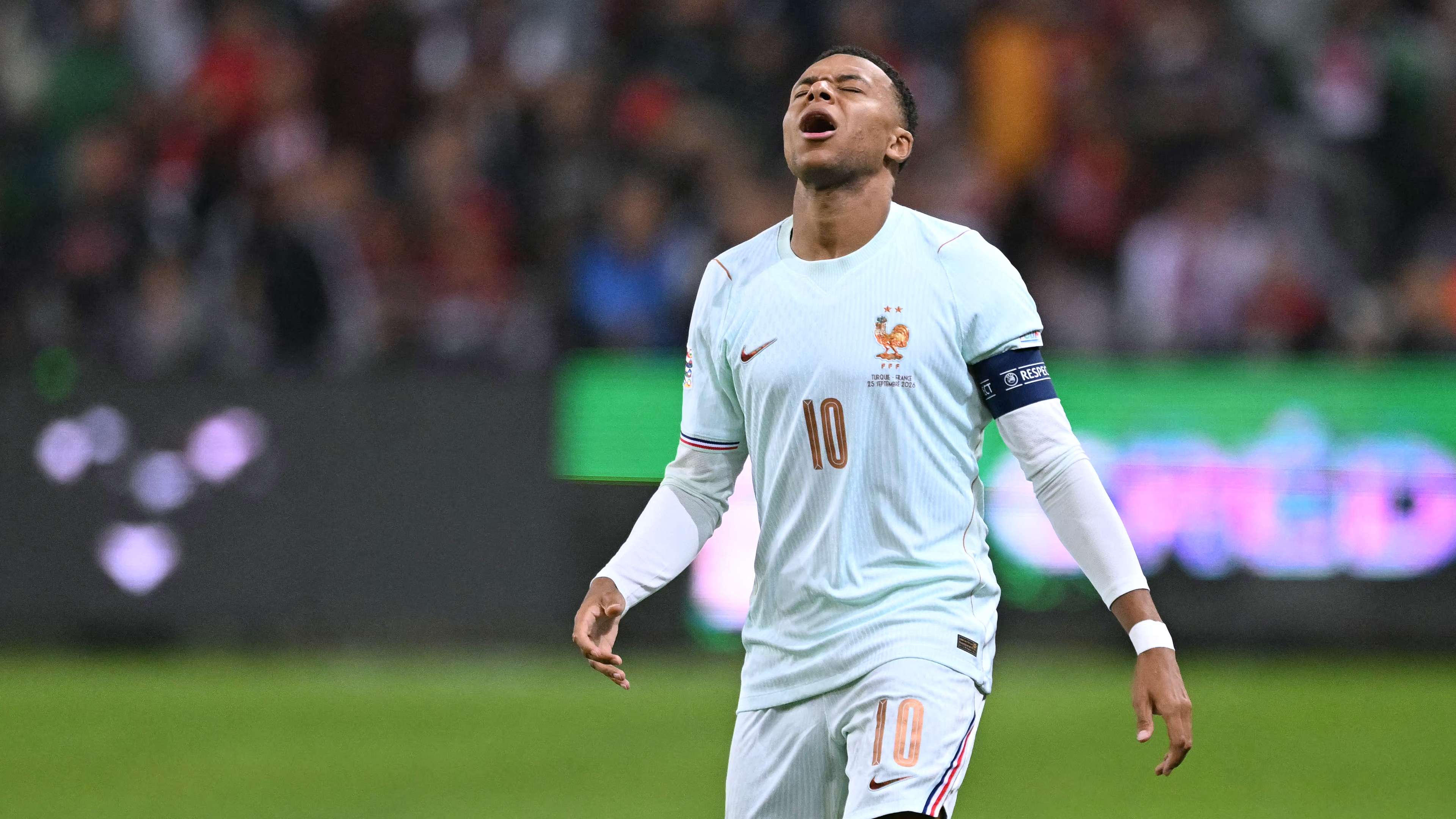
As anticipation builds around the next Ballon d’Or announcement, Kylian Mbappé has become the focus of a debate that reaches beyond goals, trophies and individual statistics. French football great Jean-Pierre Papin has questioned the way the France captain has spoken about his chances of winning the sport’s most prestigious individual award, arguing that confidence can risk appearing self-centred when the decision belongs to voters.
Papin, who won the Ballon d’Or in 1991, was careful to distinguish his criticism of Mbappé’s public image from any doubts about his ability. The former Marseille striker acknowledged the forward’s exceptional talent and record-breaking achievements. His concern, he explained, is that comments made during the award conversation may have shifted attention from Mbappé’s football to his own assessment of his claim.
Papin says the Ballon d’Or is decided by voters
Speaking to French outlet Foot Mercato, Papin said he admires Mbappé but believes the player’s public messaging can sometimes sound too focused on himself. In Papin’s view, a candidate’s belief in his own case does not determine the outcome: the award is ultimately decided by a group of voters assessing players against established criteria.
“I really do admire Kylian, he holds records, but at a certain point it all becomes about me, me, me and myself,” Papin said. “The Ballon d’Or winner is decided by others.”
His comments point to a familiar tension in elite sport. Top players are expected to show ambition and confidence, particularly when competing for major honours. Yet the same confidence can invite criticism if it appears to dismiss the achievements of other candidates. In a closely watched Ballon d’Or race, the way a contender talks about the prize can become part of the story alongside what he does on the pitch.
The remark Papin considered a step too far
Papin singled out one reported comment as especially difficult to accept: Mbappé’s suggestion that nobody other than him deserved the award. The former France international said that statement crossed a line, describing it as excessive. His objection was not that Mbappé should lack belief in his own chances, but that a claim of exclusive merit could be seen as disregarding the performances of fellow contenders.
The Ballon d’Or conversation is rarely settled by one measure alone. Voters may weigh individual performance, team success, consistency across a season and a player’s influence in decisive matches. Goals and records can strengthen a case, but they do not automatically guarantee victory. A candidate’s campaign is also shaped by the quality of the competition and the achievements of players in different leagues and positions.
That broader context helps explain Papin’s distinction between Mbappé’s footballing credentials and the impression he creates. He suggested the forward meets many of the relevant sporting criteria, while warning that his public persona could weaken the overall perception of his candidacy. In other words, Papin’s criticism was aimed less at Mbappé’s ability than at how his comments may land with fans, journalists and award voters.
Why the Ballon d’Or debate extends beyond statistics
Mbappé’s standing in world football is built on extraordinary speed, finishing and consistency at the highest level. His record-breaking numbers have made him a regular presence in discussions about the game’s leading players. But the Ballon d’Or is not simply a prize for the most prolific scorer, and the debate often reflects a wider assessment of a player’s season.
Team trophies can have a powerful effect on the race, particularly when a candidate plays a decisive role in winning a major competition. Individual influence matters too: voters may consider whether a player delivered in high-pressure fixtures, carried his side through difficult periods or maintained elite form over a long campaign. These factors can make predictions difficult, even when one contender appears to have a compelling statistical case.
Public perception is another part of the discussion, although it is not a substitute for performance. A confident interview can reinforce a player’s image as a leader, while a boastful statement may be interpreted as arrogance. Papin’s remarks underline how quickly the conversation can move from a candidate’s achievements to the tone in which he discusses them.
Papin backs Harry Kane for the award
Papin also made his own preference clear, saying he would like England captain Harry Kane to win the Ballon d’Or. His support adds another dimension to the discussion, placing the experienced striker among the names being considered in the wider award debate. Kane’s case, like Mbappé’s, would be judged through a combination of individual output, team performance and his contribution across the season.
The former winner’s endorsement does not decide the result, but it highlights how varied opinions can be when voters and observers compare candidates with different roles and achievements. A forward known for scoring goals may be assessed differently from a player whose influence is more visible in build-up play or defensive work. That diversity is part of what makes Ballon d’Or predictions so compelling for football supporters.
For Mbappé, the immediate challenge is to ensure that his performances remain at the centre of the conversation. Records and goals provide a strong foundation for any award campaign, but Papin’s criticism serves as a reminder that a candidate’s words can also shape the narrative. As the announcement approaches, the debate will continue to turn on both measurable achievements and how voters interpret the season as a whole.
Whether Mbappé ultimately wins or not, Papin’s comments capture the fine line between ambition and arrogance in modern football. Believing oneself worthy of the game’s biggest individual honour is understandable; declaring that no one else deserves it is a much bolder claim. With Harry Kane also backed by the 1991 winner, the Ballon d’Or prediction conversation remains open—and likely to intensify until the final decision is revealed.