
Football Mourns Tenerife Player Jesús de Miguel as Kylian Mbappé Pays Tribute
The football community has been left in shock following the death of Tenerife player Jesús de Miguel, who passed away on Tuesday at the age of 30. The Spanish club announced the news early in the morning, prompting an outpouring of grief from teammates, supporters and figures across the sport—including Real Madrid forward Kylian Mbappé.
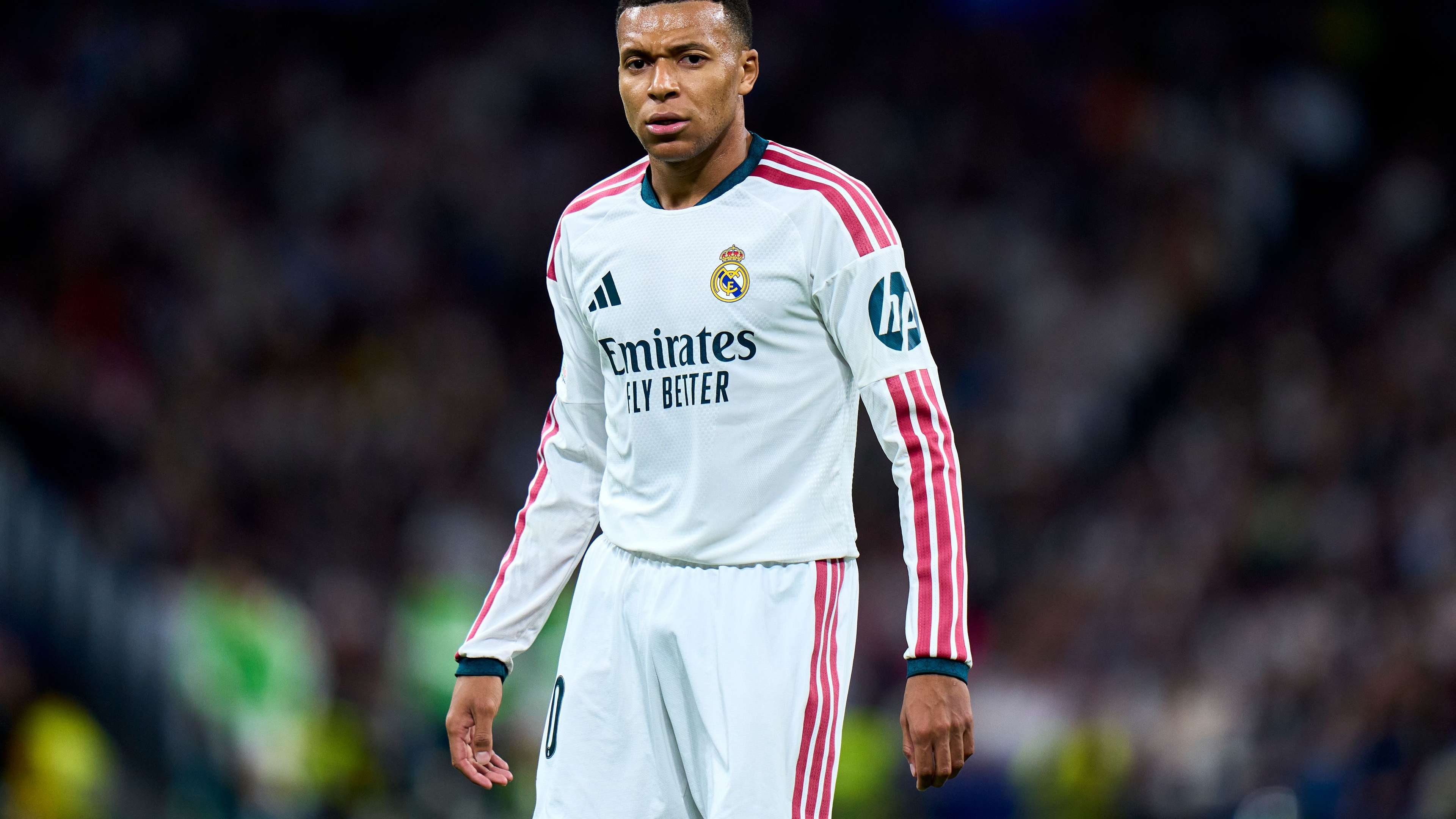
Mbappé shared a brief message on Instagram in memory of the Tenerife player: “Great sorrow. There are no words. May your soul rest in peace.” Though concise, the tribute reflected the sadness felt far beyond Tenerife and highlighted how news of a loss can resonate throughout the wider football family.
Tenerife Announces De Miguel’s Death
Tenerife confirmed the news at around 8 a.m. on Tuesday, describing the moment as one of profound pain and disbelief. The club’s statement expressed its support for De Miguel’s family, friends and everyone connected with the team, while acknowledging that words could not adequately ease their grief.
“We are shattered by the depth of the pain, our tongues are tied by the shock, and we cannot believe that this is real,” the club said. It added that there were “no words of comfort” capable of lifting the sorrow, and stood alongside the player’s loved ones and the Tenerife community as they mourned what it called a cruel end.
The emotional tone of the announcement captured the immediate impact of the news. For a club, a player is more than a name on a team sheet: he is part of the daily routine, the dressing-room culture and the relationships built across training sessions and matchdays. His death at just 30 has therefore left a deep void for those who knew him personally and for supporters who followed his career.
Mbappé’s Message Reflects Football’s Shared Grief
Mbappé’s tribute brought additional attention to the loss, but the sentiment behind it was widely shared. Across football, players and clubs often use public messages to offer condolences when a member of the sport dies. These gestures cannot remove the pain of bereavement, but they can show grieving families that the person’s life and contribution mattered to a much larger community.
The Real Madrid star’s words were notably simple. In moments of sudden grief, elaborate statements can feel inadequate; a short expression of sorrow may communicate the essential message more clearly. His post also served as a reminder that football’s rivalries and competitions sit alongside a broader sense of solidarity among those connected to the game.
A Difficult Day for Tenerife and Its Supporters
For Tenerife, Tuesday became a day of mourning rather than football. The club’s statement focused on the people closest to De Miguel, recognising the pain facing his family and friends as well as players, staff and supporters. In a close-knit sporting community, news of a death can affect every part of the organisation, from the dressing room to the stands.
Supporters may also be looking for ways to honour De Miguel in the days ahead. Clubs commonly pay tribute through moments of silence, memorial messages or other commemorations at matches, although any response must be guided by the family’s wishes and the circumstances surrounding the loss. For fans, gathering together can offer a shared space to remember a player and support those who are grieving.
At the time of Tenerife’s announcement, the club’s message centred on mourning and solidarity. It did not provide further details about the circumstances of De Miguel’s death. In situations like this, respecting the privacy of the family is important, particularly while loved ones are processing an unexpected and deeply painful loss.
Remembering the Person Behind the Football Career
Coverage of a footballer’s death naturally draws attention to clubs, appearances and career milestones. Yet the most meaningful tributes often begin with the person behind those details: a teammate, friend, family member and part of a community. Tenerife’s statement placed that human loss at its centre, speaking directly about the people left to grieve rather than focusing on sporting statistics.
That perspective is especially important when a life ends at a young age. De Miguel was 30, an age at which many players are still building their careers and planning for the future. His death has prompted sorrow not only because of his connection to Tenerife, but because of the sudden absence of the possibilities and experiences that lay ahead.
Football Prediction Takes a Back Seat
For supporters, football discussion often revolves around fixtures, form and prediction: who will win the next match, which players will make an impact and how a team can respond to its latest result. On a day marked by grief, those conversations naturally move into the background. The immediate priority is to acknowledge the loss, offer condolences and give the bereaved space.
That pause is a reminder of football’s wider significance. The sport is built around competition, but it also creates lasting bonds between players, clubs and communities. When tragedy strikes, those connections become visible in messages of support and shared remembrance. Mbappé’s tribute and Tenerife’s statement both reflect that human side of the game.
Jesús de Miguel’s death has left Tenerife and the wider football community mourning a life cut short. As supporters and colleagues remember him, the club’s words and Mbappé’s message express a common feeling: sorrow, disbelief and respect for the player whose loss has touched so many.