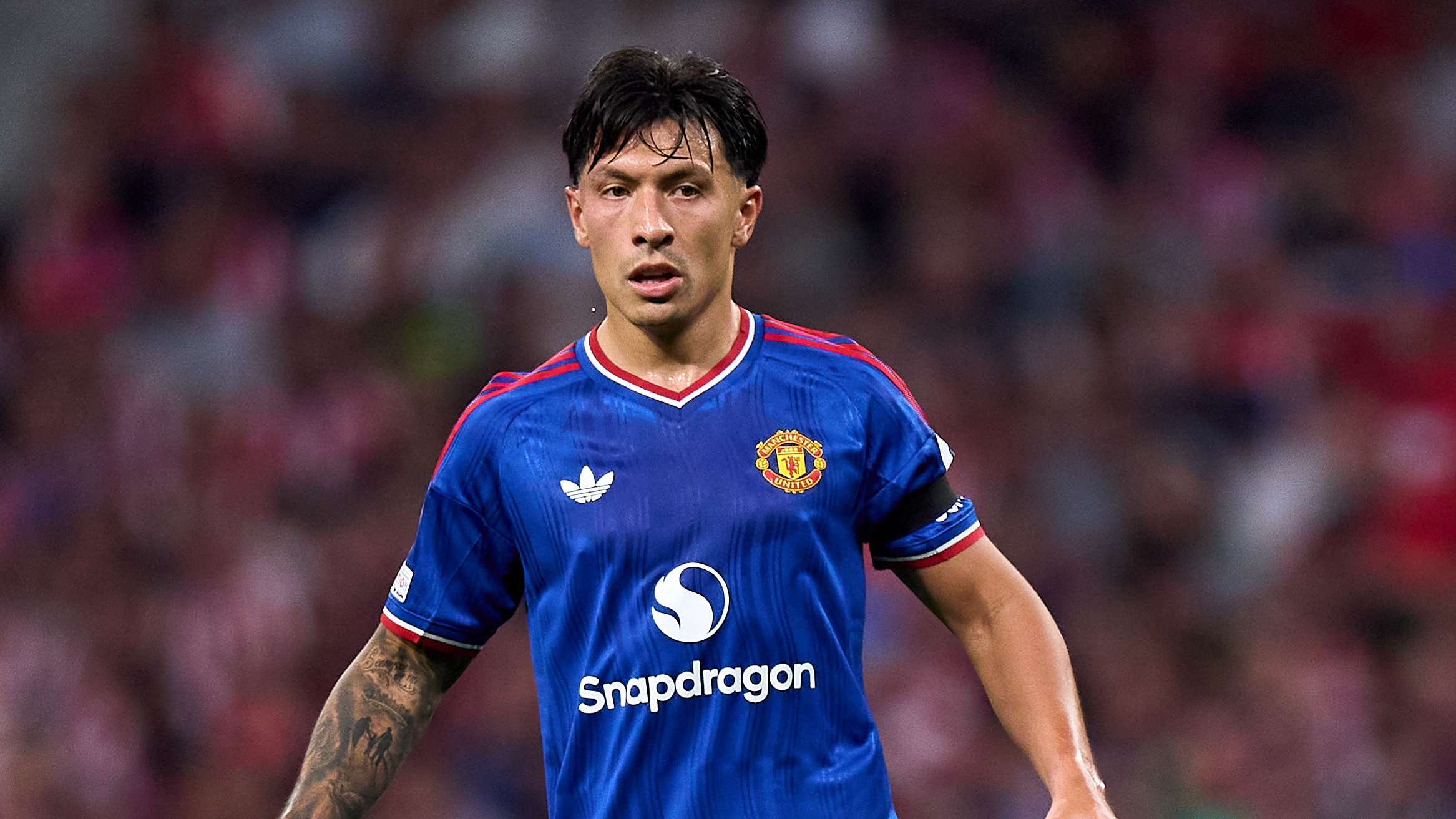

Lisandro Martínez Apologises to Manchester United Leaders After Criticism
Lisandro Martínez has apologised to Manchester United’s leadership team after making pointed comments about the club’s board and recruitment strategy. The Argentina international reportedly wanted to ease tensions following a meeting at Carrington attended by manager Michael Carrick and senior club officials.
The episode has brought fresh attention to the relationship between Manchester United’s players and decision-makers at a time when the club is under pressure to improve its football results and build a more consistent squad. Martínez’s apology appears to be an effort to move the discussion away from public disagreement and back towards the team’s immediate priorities.
What happened at Carrington?
The meeting at United’s training ground provided an opportunity for Martínez to address the situation directly with senior figures. His earlier criticism had focused on the board and the way the club approaches recruitment, subjects that have attracted scrutiny from supporters during periods of uneven performances.
Although the details of the conversation have not been fully disclosed, the reported apology suggests the defender recognised that his remarks had created tension. Speaking directly with club leaders also offered a chance to clarify his intentions and make clear that his comments should not be mistaken for a lack of commitment to Manchester United.
In a high-profile football club, disagreements about strategy can quickly become public talking points. Players are often asked to explain results, while executives are responsible for building squads and setting long-term plans. When those responsibilities appear to clash, even a brief comment can prompt wider debate about trust, communication and accountability.
Recruitment remains a central issue
Manchester United’s recruitment strategy is an especially sensitive subject because squad planning affects performance across an entire season. New signings must fit the manager’s tactical approach, strengthen areas of need and contribute to a balanced group. When those elements do not align, the consequences can be seen in inconsistent displays, limited depth or a lack of continuity between campaigns.
For supporters, recruitment is about more than the names arriving at Old Trafford. It also concerns whether the club has a clear footballing identity and whether decisions are made with a long-term plan in mind. A successful transfer policy typically combines scouting, financial discipline and close coordination between the manager and the executives responsible for player recruitment.
Martínez’s criticism therefore touched on a broader question facing United: how effectively are the club’s sporting leadership and coaching staff working together? The answer cannot be judged by one signing or one result. It depends on whether recruitment consistently supports the team’s needs, whether players improve within the system and whether the squad can compete across domestic and European fixtures.
Why the apology matters for the dressing room
Public disagreements between players and club leaders can create distractions, particularly when a team is trying to build momentum. An apology does not necessarily mean that every concern has been resolved, but it can help restore a more constructive atmosphere. Direct communication is often preferable to allowing frustration to grow through speculation or repeated public comments.
For Martínez, the next step will be to let his performances reinforce his commitment. The defender is known for his intensity and competitive approach, qualities that can be valuable in a demanding dressing room. At the same time, leadership at a club of United’s size requires careful communication, especially when comments involve people responsible for the team’s future.
For Carrick, the challenge is to keep the squad focused on football while maintaining open lines of communication with senior players. Managers are often asked to balance immediate results with longer-term development, and that task becomes harder if uncertainty around recruitment or club direction dominates the conversation.
What it could mean for Manchester United
The incident may prove to be a short-lived disagreement, but it highlights the importance of having a shared vision at every level of the club. Players need to understand the roles they are expected to perform, coaches need a squad suited to their system, and executives need to ensure that recruitment decisions support those objectives.
When those parts work together, a club is better placed to respond to setbacks and maintain consistency. When they do not, pressure can build quickly, with performances, transfer decisions and leadership choices all coming under closer scrutiny. Manchester United’s supporters will be watching not only how the team performs but also whether the club can demonstrate a coherent plan.
That scrutiny is particularly intense at Old Trafford, where expectations remain high regardless of changes in management. A strong run of results can calm debate, but lasting confidence usually depends on more than short-term form. The club must show that its football decisions are connected and that the squad is being developed with a clear purpose.
Prediction: attention will return to results
The most likely prediction is that Martínez’s apology will help lower the temperature around the dispute, at least in the short term. However, questions about recruitment are unlikely to disappear unless United’s performances and squad-building decisions provide convincing answers. Supporters will continue to assess whether the team is progressing and whether new additions address its most pressing needs.
Ultimately, the best response for everyone involved will be visible on the pitch. If Manchester United can produce more consistent football, strengthen key areas and show a clear tactical direction, the controversy may quickly fade. If results remain uneven, criticism of the club’s leadership and recruitment strategy is likely to return.
For now, Martínez’s reported apology represents an attempt to clear the air and refocus attention on the season ahead. It does not settle every debate about Manchester United’s direction, but it offers a chance for the player, Carrick and the club’s leadership to move forward with a more constructive working relationship.