
Transfer Window Analysis: Why Olympique de Marseille and Athletic Bilbao Remain Silent This Summer
The summer transfer window in European football has historically been a bustling period of strategic player movements, club investments, and roster reshuffles. However, this year’s transfer season has been notably subdued for two prominent clubs—Olympique de Marseille and Athletic Club Bilbao—who stand out as the only teams across Europe’s top five leagues that have yet to make any signings. This unusual inactivity has sparked widespread speculation, curiosity, and analysis among fans, pundits, and industry insiders alike. In this article, we delve into the factors behind this quiet window, explore the implications for these clubs’ upcoming seasons, and offer insights into the potential transfer predictions moving forward.
The Silence of the Giants: An Overview
Olympique de Marseille: Financial Challenges and Strategic Restraint
Olympique de Marseille, one of France’s most storied clubs, has traditionally been active in the transfer market, leveraging its rich history and passionate fanbase to attract high-profile players. However, this summer, Marseille has chosen a notably conservative approach, refraining from any significant player acquisitions. The primary reason behind this strategic restraint is rooted in the club’s ongoing financial constraints.
In recent years, Marseille has faced a complex financial landscape, compounded by the economic repercussions of the COVID-19 pandemic, delayed sponsorship deals, and the need to balance the books amid strict UEFA Financial Fair Play regulations. These financial pressures have limited their capacity to invest freely in new transfers, prompting club management to adopt a cautious stance. Instead of rushing into signings, Marseille appears to be prioritizing stability and long-term planning, aiming to strengthen the squad within their current financial framework.
Furthermore, Marseille’s transfer prediction for this season suggests that the club might focus on developing existing talent, promoting youth players from their academy, and possibly exploring loan options as alternatives to outright transfers. This approach aligns with their broader strategy of sustainable growth and financial discipline, ensuring they remain competitive without risking financial instability.
Athletic Bilbao: A Strict Recruitment Philosophy
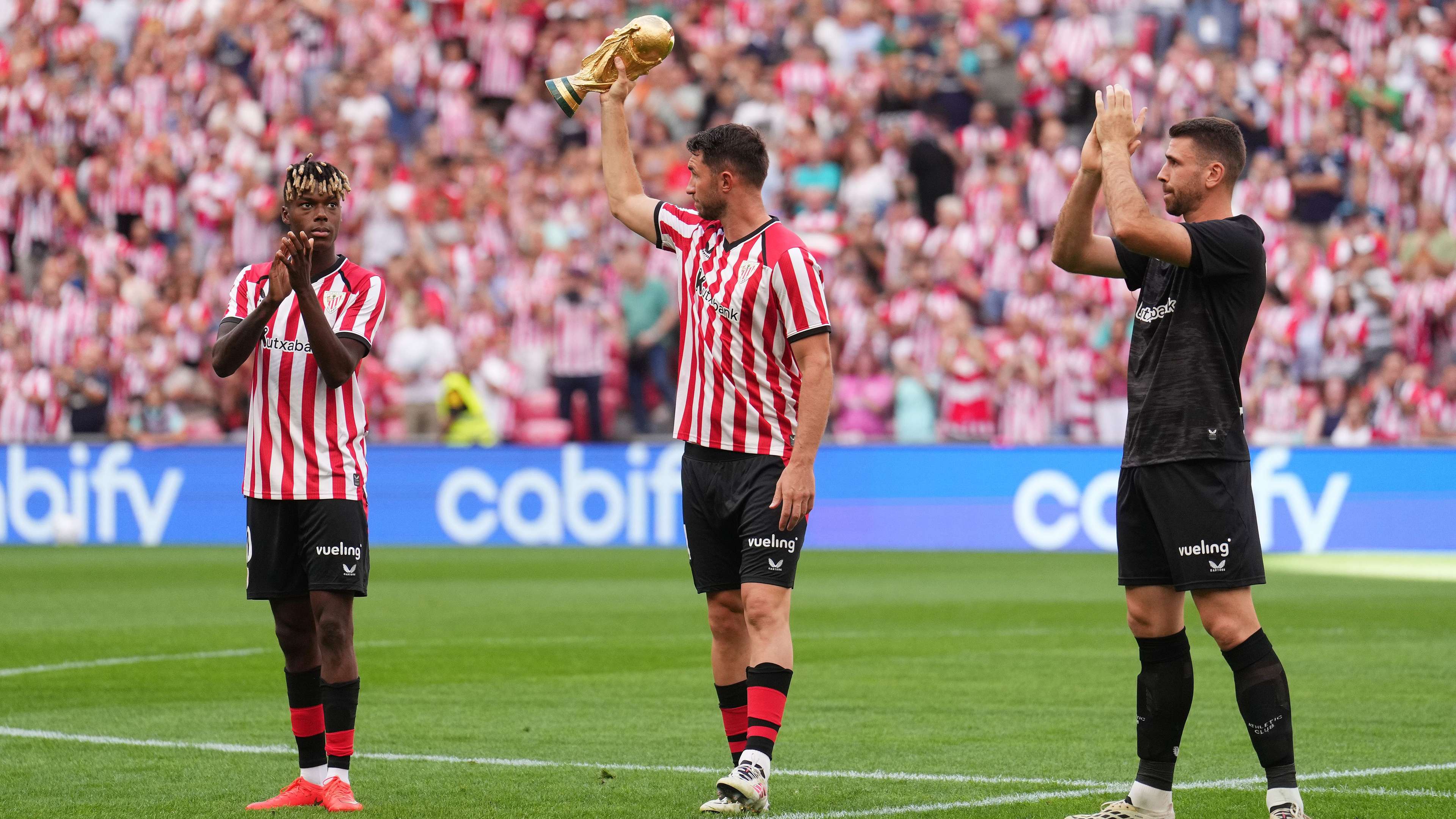
In stark contrast to Marseille’s financial considerations, Athletic Bilbao’s quiet transfer window can be largely attributed to their well-established recruitment philosophy. Known for their unique policy of exclusively signing players native to the Basque Country or those trained within the region’s youth systems, Bilbao’s transfer prediction for this season underscores a different set of challenges.
The club’s strict recruitment policy inherently limits their pool of potential signings, making transfer predictions more predictable and often conservative. This approach emphasizes sustainable growth and cultural identity over high-profile signings, which sometimes results in minimal activity during transfer windows, especially when suitable local talent is scarce or unavailable.
While this strategy has historically fostered a strong sense of identity and loyalty among supporters, it can also hinder the club’s ability to react swiftly to market opportunities or address specific squad needs. Nonetheless, Bilbao’s transfer prediction indicates a focus on internal development, with the club banking on their youth academy to produce future stars and maintain competitiveness within La Liga.
Implications for the Upcoming Season
Marseille’s Strategic Outlook and Season Prediction
Despite their quiet transfer window, Olympique de Marseille remains optimistic about their prospects for the upcoming season. Their reliance on existing squad continuity and youth development suggests a team that is confident in its core players and tactical setup. The transfer prediction indicates a belief that the current roster, supplemented by internal growth and tactical discipline, can contend effectively in Ligue 1 and possibly make an impact in European competitions.
However, the lack of new signings does carry risks. Injuries, squad fatigue, or unforeseen tactical challenges could test Marseille’s depth. Fans and analysts are closely watching to see if the club’s cautious approach will pay off or if a late transfer surge might still occur, especially if injuries or performance issues arise early in the season.
Bilbao’s Focus on Development and Long-term Stability
For Athletic Bilbao, the transfer prediction remains consistent with their historical approach—prioritizing internal development, nurturing youth players, and maintaining financial stability. This strategy, while sometimes limiting rapid squad reinforcement, has historically fostered a resilient team capable of competing at the top of La Liga while preserving their cultural identity.
In the short term, Bilbao’s season prediction suggests a team that will rely heavily on their existing players and promising youth prospects. Their focus is on long-term sustainability, aiming to balance competitiveness with their unique recruitment philosophy. This approach may not yield immediate transfer headlines, but it underscores a sustainable model that has served the club well over decades.
Broader Context and Future Outlook
Impact of Market Conditions and Regulatory Environment
The subdued transfer activity from Marseille and Bilbao is also reflective of broader market conditions across Europe. Rising player valuation, inflation in transfer fees, and increased financial scrutiny from regulators have made clubs more cautious. The ongoing economic uncertainties and the lingering effects of the pandemic have prompted many clubs to adopt more conservative transfer strategies.
Moreover, UEFA’s Financial Fair Play regulations continue to influence club behavior, compelling teams to operate within their means and avoid excessive spending. For clubs like Marseille, this means prioritizing financial stability over short-term success through high-profile signings. For Bilbao, it reaffirms their commitment to their recruitment philosophy and internal development.
Predictions for the Transfer Window’s Closing Stages
Although Marseille and Bilbao have remained inactive so far, transfer predictions suggest that both clubs may still make moves before the window closes. Marseille might explore late signings, especially if injuries or tactical needs emerge, with some reports hinting at potential loan deals or free transfers. Similarly, Bilbao could consider minor adjustments or strategic signings if suitable local talent becomes available or if their internal development pipeline requires reinforcement.
Ultimately, the transfer prediction for these clubs underscores a broader trend towards cautious, strategic planning—prioritizing sustainability over impulsive spending. This approach may redefine how clubs balance financial health with competitive ambition in the evolving landscape of European football.
Conclusion: A Quiet Window with Potential for Surprises
The absence of transfers from Olympique de Marseille and Athletic Bilbao this summer has undoubtedly been a notable storyline in the 2023 transfer window. Their choices reflect distinct philosophies—Marseille’s financial prudence and Bilbao’s cultural and developmental commitment—highlighting the diverse strategies that shape European football today.
While the transfer prediction indicates ongoing patience and internal focus, both clubs remain attentive to market developments and unforeseen opportunities. As the season unfolds, fans and analysts will be watching closely to see if their cautious approach will translate into success on the pitch or if last-minute surprises could alter their trajectory.
In a football world driven by transfer predictions and strategic predictions, Marseille and Bilbao exemplify how clubs can choose stability and sustainability over short-term glamour, setting a compelling precedent for the future of responsible club management across Europe’s top leagues.