
Manchester United’s 3-0 Defeat Sparks New Questions Over Michael Carrick’s Future
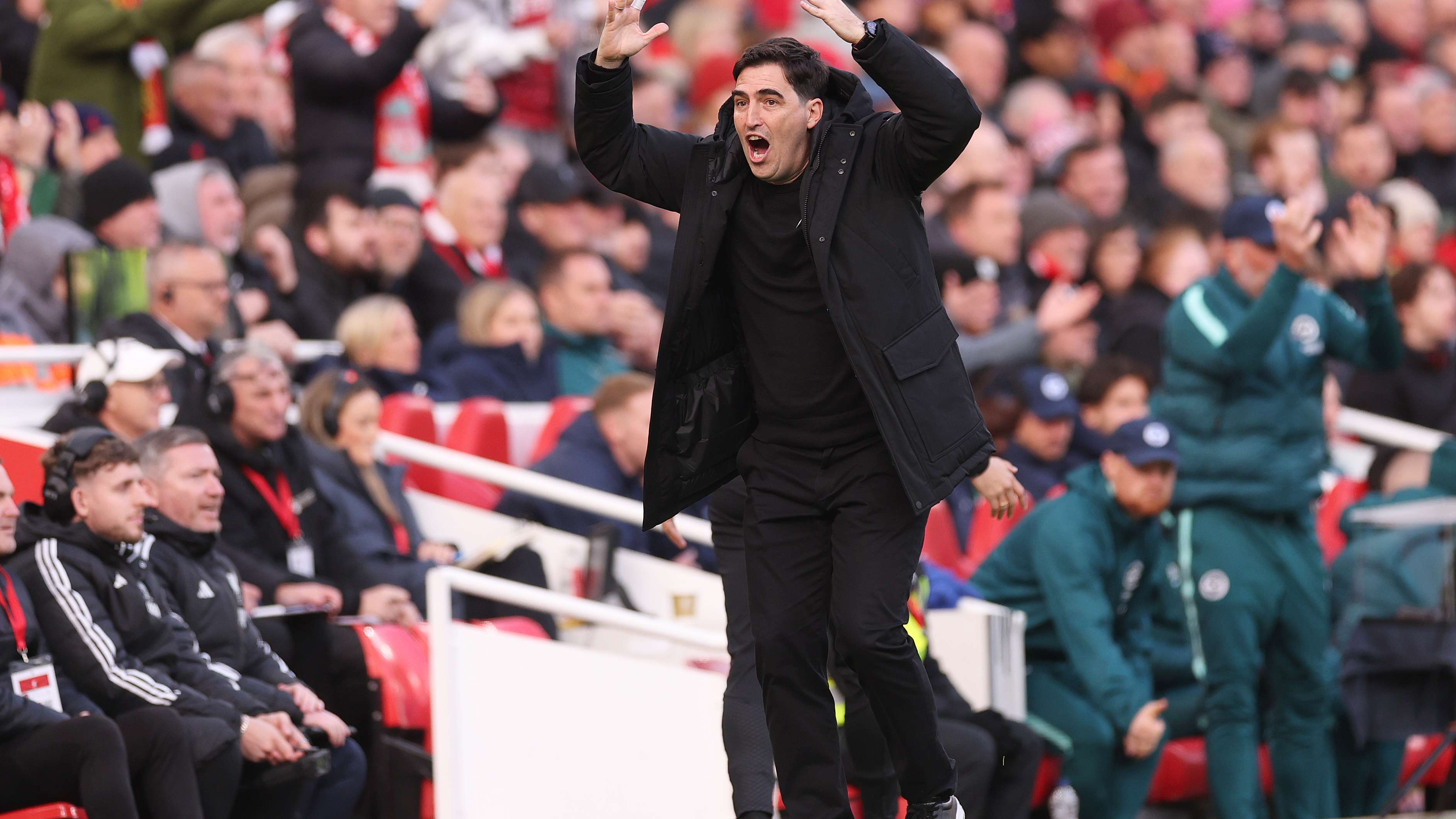
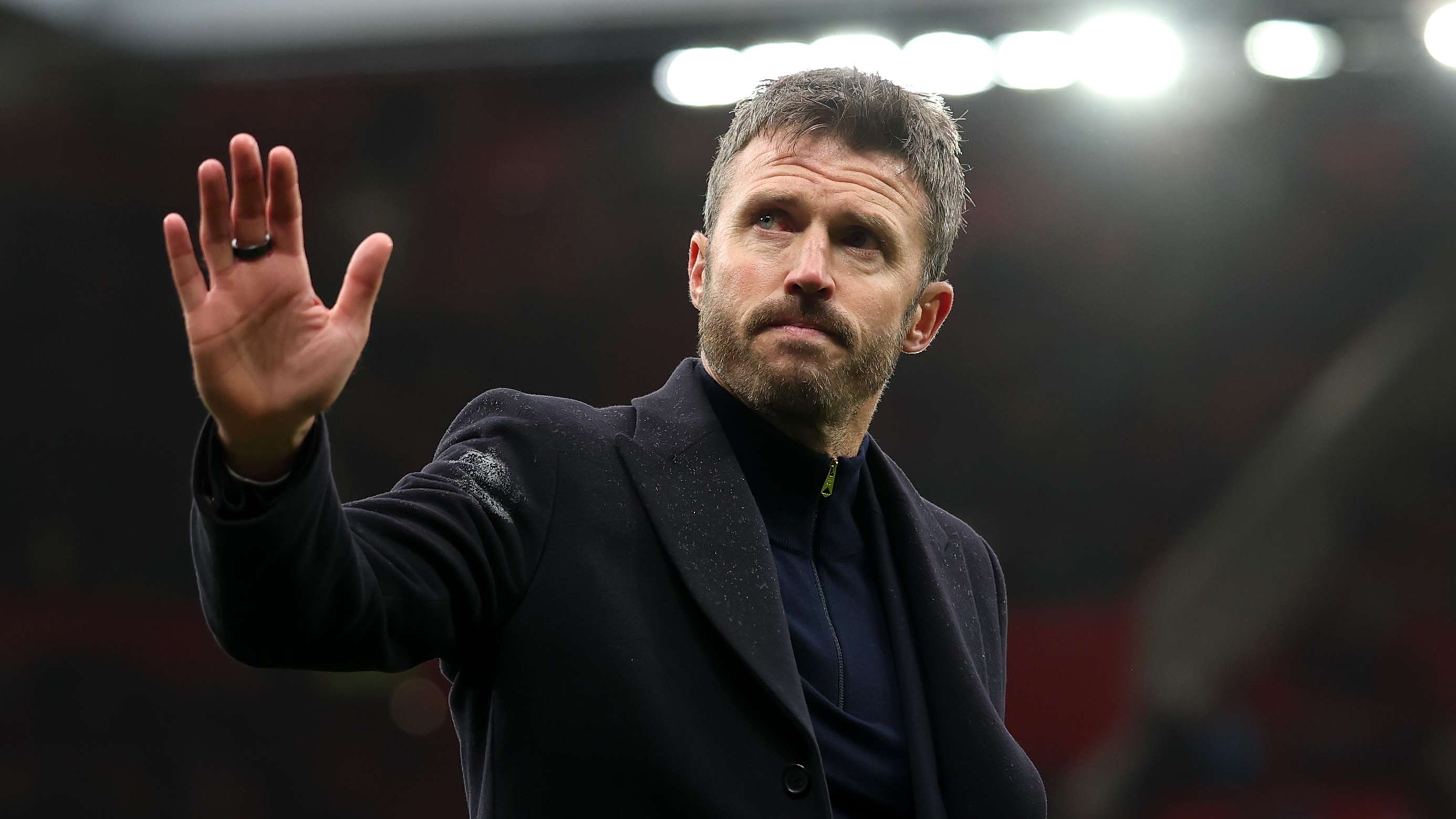
Manchester United’s home loss to Bournemouth has intensified scrutiny of manager Michael Carrick, turning a disappointing Premier League result into a wider debate about the club’s direction. Bournemouth’s 3-0 victory at Old Trafford was damaging on the scoreboard, but the uncertainty surrounding United’s leadership has made the aftermath even more unsettling for supporters.
The result has renewed calls for change in the dugout, while reports of disagreement among senior figures have raised questions about whether the club is prepared to act. French journalist Romain Molina claims Carrick’s position may already have been decided internally. However, according to Molina, Manchester United’s hierarchy has not reached agreement on who should take over if the manager departs.
Defeat at Old Trafford Raises the Pressure
Losing at home is rarely straightforward for a club with Manchester United’s expectations. A three-goal defeat to Bournemouth is especially difficult to dismiss, as it gives supporters and pundits fresh reason to examine the team’s performances, tactical choices and ability to respond under pressure.
One result does not always define a season, and football can change quickly. Yet the scale of the defeat has added weight to concerns that were already building around Carrick. When poor performances coincide with uncertainty at board level, every match becomes more consequential—not only for league points, but also for the manager’s credibility and the club’s planning.
For United, the immediate challenge is to prevent frustration from turning into a prolonged crisis. Players must recover their confidence, the coaching staff must identify what went wrong, and club officials need to provide clarity about the way forward. Without a clear message, speculation can become a distraction that follows the team from one fixture to the next.
Romain Molina Claims Carrick’s Fate May Be Sealed
Molina brought the debate into sharper focus with a post on X. He wrote: “As announced, Carrick’s fate was already sealed, but Manchester United’s leaders did not agree among themselves on who would succeed him. The INEOS group continues to repeat the same patterns over and over again.”
The claim has not, by itself, confirmed an official decision from Manchester United. It should therefore be treated as a report about the club’s internal situation rather than a formal announcement. Still, the suggestion that Carrick’s future could be settled while the succession plan remains unresolved points to a potentially serious problem: a club may be considering a change without having agreed on what should come next.
That distinction matters. Replacing a manager is not simply a matter of choosing a name. The next appointment would need to fit the club’s football strategy, work with the existing squad and coaching structure, and provide a credible plan for improving results. If decision-makers disagree over those priorities, an abrupt change could create more instability rather than less.
Why a Replacement Decision Could Prove Difficult
Manchester United’s next move will be judged on more than its timing. Supporters will want to know whether the club is responding to one painful defeat or addressing longer-term concerns about performance and progress. They will also expect any successor to bring a clear identity to the team, rather than serving as a short-term answer to mounting pressure.
A managerial transition can affect recruitment, player confidence and tactical preparation. It may also influence how the club approaches the transfer market, particularly if the incoming coach has different requirements from Carrick. For those reasons, disagreement among senior leaders—if Molina’s account is accurate—could complicate planning at a moment when consistency is badly needed.
The reference to INEOS also places the ownership and executive structure under the spotlight. Since major decisions at a leading club involve multiple stakeholders, alignment is essential. Disputes over a successor can make it harder to communicate a coherent strategy to players, staff and fans. Even before an appointment is made, uncertainty can shape the atmosphere around the team.
Upcoming Fixtures Could Shape the Conversation
Manchester United’s schedule offers little time to dwell on the Bournemouth defeat. The club is listed to face Aston Villa in the Carabao Cup on October 29, 2026, before returning to Premier League action against Chelsea on October 31. Those fixtures could provide an opportunity for a response, but they also bring added pressure.
A strong performance would not automatically resolve questions about Carrick’s future, particularly if senior officials have already begun considering alternatives. However, improved organisation, greater intensity and a convincing result could help steady the dressing room and give the team some momentum. Conversely, another poor display would likely increase scrutiny and intensify the prediction that a change is approaching.
For fans looking ahead, any football prediction about United’s next steps must account for two separate uncertainties: how the team performs on the pitch and whether club leaders can agree on a plan. Results will influence the public debate, but the final decision may depend just as much on internal discussions about the manager’s replacement and the club’s longer-term direction.
A Critical Moment for Manchester United
The Bournemouth loss has left Manchester United facing a difficult combination of sporting pressure and reported boardroom division. Carrick is at the centre of the discussion, but the wider issue is whether the club can make a timely, unified decision about its future.
Until United provides clarity, speculation is likely to continue. The coming matches may reveal whether the players can respond to adversity, while the club’s leadership will face its own test: establishing a credible direction and communicating it with confidence. For supporters, the key question is no longer only how United will recover from a 3-0 defeat. It is whether the people in charge can agree on the next step before uncertainty becomes the story of the season.