
Manchester United Fans Turn on Club Leadership After Chelsea Defeat
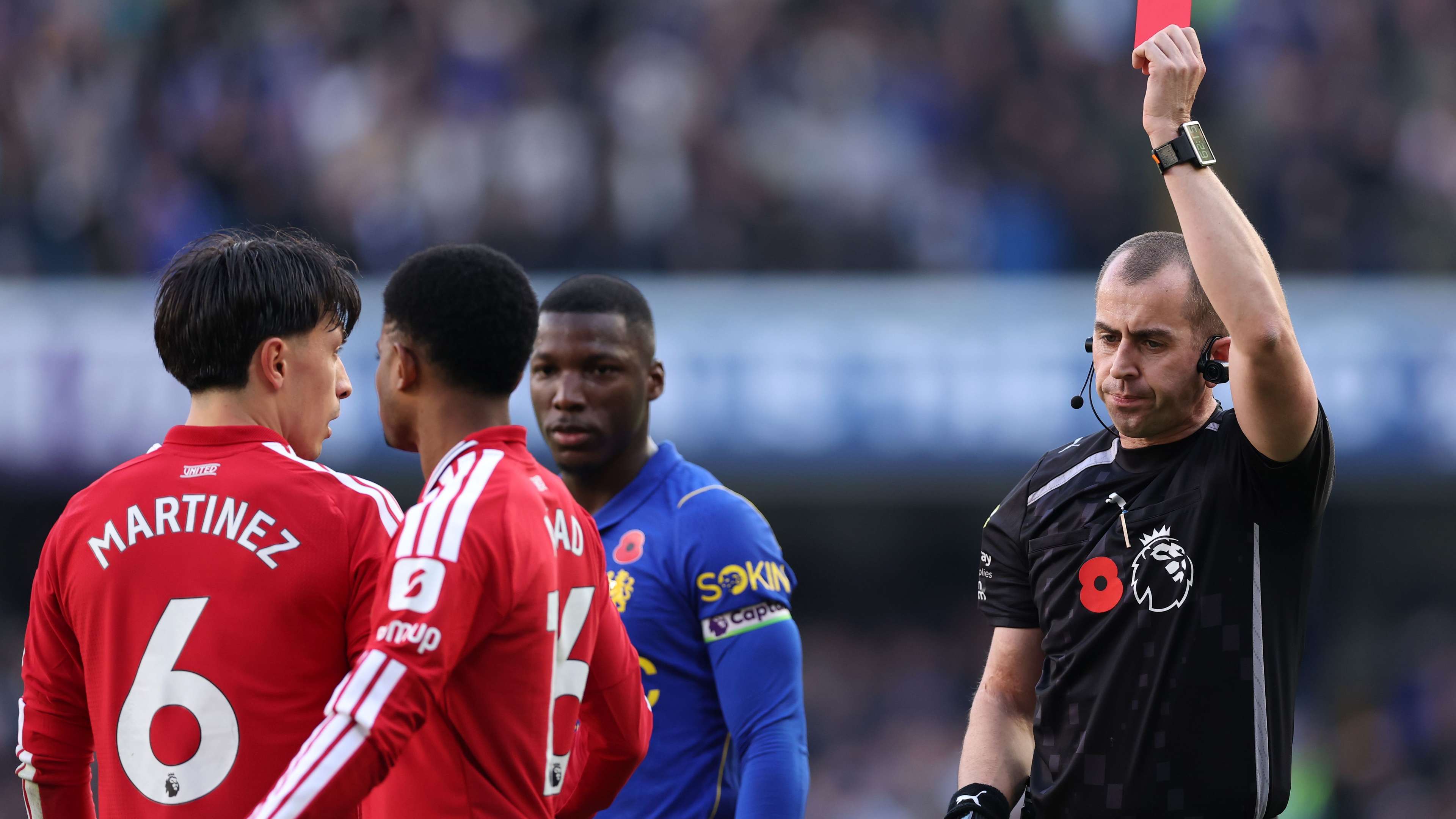
Manchester United’s 2-0 defeat to Chelsea at Stamford Bridge intensified the crisis surrounding the club, with frustration spilling from the pitch into the stands. As the Red Devils struggled to produce a convincing performance, travelling supporters directed angry chants at the people running the club, including co-owner Jim Ratcliffe and senior football executives.
The result was another painful setback for a team already under pressure after a run of disappointing performances. For many supporters, however, the Chelsea loss represented more than a bad night of football. It added to growing concerns about the club’s direction, its leadership and the prospect of a season that could deteriorate further.
Ratcliffe becomes a target of supporter anger
Ratcliffe, who joined the club’s ownership group promising significant change, was among the most prominent targets of the chants at Stamford Bridge. According to British newspaper The Sun, supporters used an obscene chant comparing him with the Glazer family, whose ownership has long been a source of protest among United fans.
The hostility reflects the widening gap between supporters’ expectations and their experience of the club. Ratcliffe’s arrival raised hopes of a fresh start and a more effective football operation. Yet, with results continuing to disappoint and uncertainty surrounding the managerial position, some fans appear increasingly unconvinced that the new leadership has delivered the turnaround they wanted.
That anger is not limited to one away match. Just six days earlier, supporters at Old Trafford had stepped up their protests after United’s defeat to Bournemouth. The repeat demonstrations suggest that dissatisfaction is becoming a sustained response to the club’s problems rather than a reaction to a single result.
Wilcox and Berrada also face criticism
Director of football Jason Wilcox and chief executive Omar Berrada were also among the officials criticised by supporters. Their presence in the firing line underlines how broadly the frustration has spread, reaching beyond the coach and players to the executives responsible for shaping the club’s strategy.
United’s missed opportunities before half-time against Chelsea only sharpened the mood. When a team fails to take its chances, supporters often focus on immediate performance; when poor results persist, scrutiny expands to recruitment, leadership and long-term planning. For United, those issues are now closely connected in the minds of many fans.
Television cameras reportedly captured Wilcox and Berrada in an uncomfortable moment aboard the team bus after the match. Manager Michael Carrick, meanwhile, appeared frustrated as he considered another defeat. The scenes offered a snapshot of a club under pressure, with the disappointment of the result following the team beyond the final whistle.
Carrick’s future remains uncertain
Carrick is expected to remain in charge for at least two more matches before the international break, but his longer-term future is unclear. United may now face another decision over the manager’s position, potentially making him the third coach to leave the role in two and a half years.
That possibility would deepen the sense of instability around the team. Repeated changes in the dugout can disrupt playing plans, unsettle the squad and make it harder for a club to establish a consistent identity. Even when a managerial change is intended to spark an improvement, it does not automatically resolve deeper concerns about recruitment, structure or decision-making.
The report described the period as a “reign of terror,” a phrase that captures the bleak mood surrounding United’s rapid succession of setbacks and leadership questions. For supporters, the central concern is not simply who takes charge next, but whether the club has a coherent plan capable of producing lasting progress.
Relegation fears add to the pressure
Talk of relegation reflects the depth of the alarm among fans, although the threat must be judged against the team’s actual league position and the points still available. A club with United’s resources and history would normally expect to compete far higher up the table. When results fall well below those standards, even extreme predictions can become part of the conversation.
For now, the more immediate issue is whether United can arrest their slide and turn performances into points. Their next fixtures will matter not only for the league table but also for confidence inside the squad and the atmosphere around the club. A stronger run could ease some pressure; further defeats would likely intensify questions about Carrick and the executives above him.
Any football prediction about United’s short-term prospects should therefore be treated cautiously. The team’s form, the manager’s uncertain position and the reaction from supporters all point to a volatile situation. The most useful indicators will be whether United defend more reliably, make better use of scoring chances and show greater consistency from one match to the next.
Supporters remain the club’s most visible strength
Another source of tension is the contrast between ambitious plans for the club’s future and the results on the pitch. A modern stadium or new facilities may form part of a long-term vision, but supporters are unlikely to regard infrastructure as a substitute for competitive performances. For many, the priority is seeing a team that reflects the club’s stature and a leadership group that communicates a credible route forward.
The criticism directed at Wilcox has also been linked to comments by Lisandro Martínez following United’s Champions League defeat to Atlético Madrid. The Argentine defender reportedly questioned aspects of the club’s leadership, adding to the debate over whether problems extend beyond the playing squad. When players and fans appear to share concerns, pressure on senior officials can grow quickly.
United’s supporters have remained a constant presence through difficult seasons, travelling in large numbers and making their frustrations unmistakable. The report described them as the only positive left within the club—a pointed assessment that highlights how much goodwill the team still draws from its fanbase, even as confidence in its leadership weakens.
The defeat at Chelsea has not settled the questions hanging over Manchester United; it has made them harder to avoid. Ratcliffe, Wilcox, Berrada and Carrick are all facing scrutiny from different directions, while supporters wait for evidence that the club’s next steps will bring stability and improvement. Until results change, protests are likely to continue—and the pressure on United’s decision-makers will remain intense.