Ajax Face Growing Questions Over Marcos Leonardo’s Form and Fitness
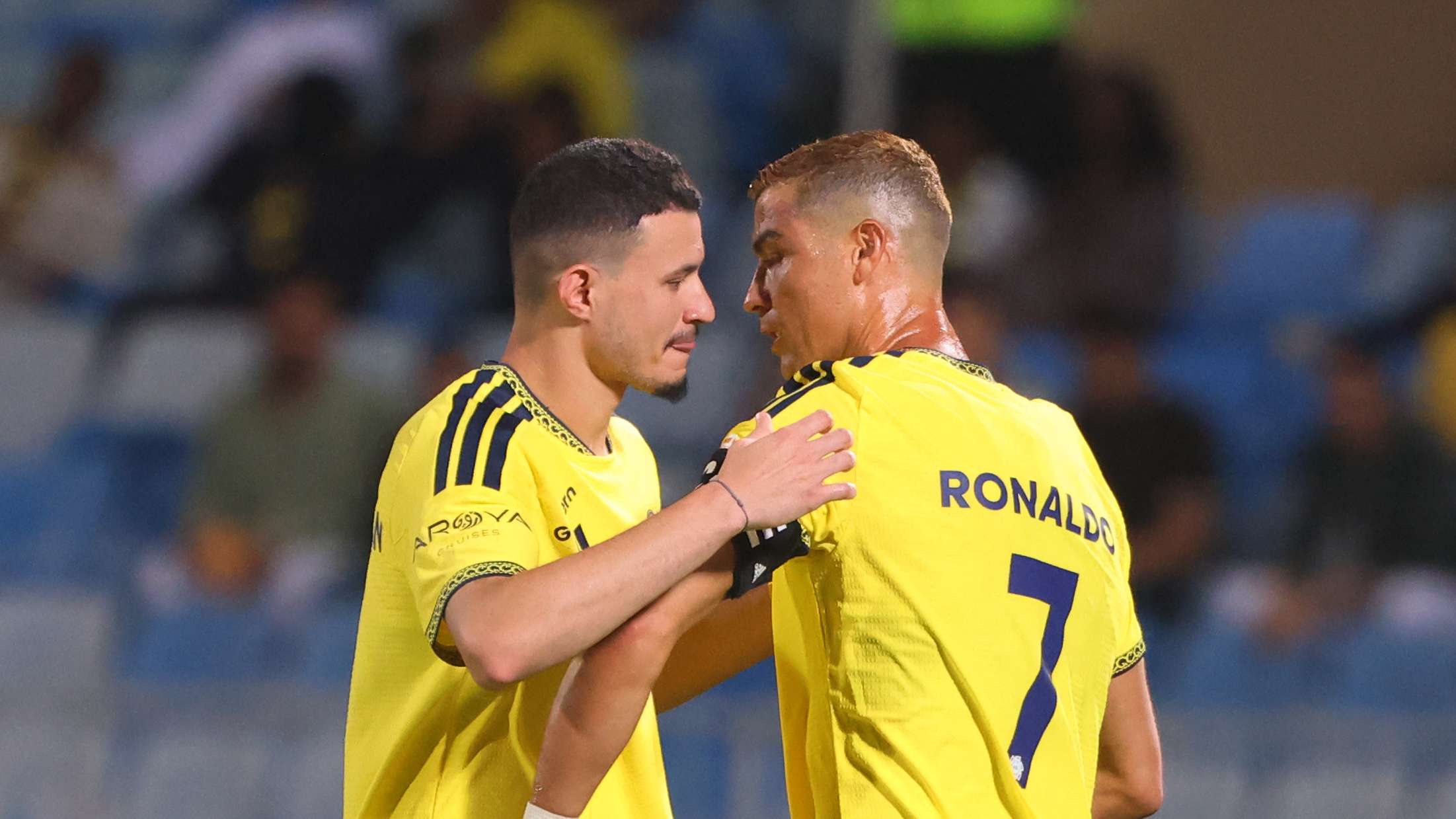
Ajax are beginning to feel the pressure surrounding Marcos Leonardo, as the Brazilian forward struggles to justify the significant investment made in his transfer. Writing for De Telegraaf, former Netherlands international Wim Kieft has questioned the striker’s contribution, while his latest performance has added to concerns among supporters and observers.
Leonardo joined Ajax from Al-Hilal last summer in a deal worth close to €20 million. The 23-year-old arrived with expectations that he could become a reliable source of goals and provide a focal point in attack. So far, however, his return has been modest: he has scored twice in 13 appearances for the Amsterdam club.
A missed opportunity against Atalanta
Ajax’s 2-0 victory over Atalanta on Thursday offered Leonardo an opportunity to make a stronger impression. Manager Míchel Sánchez selected him to start, giving the forward a chance to influence the match from the opening whistle. Leonardo found himself in a promising position but was unable to convert a significant opportunity.
His evening ended after just over 70 minutes, when Nigerian striker Tolu Arokodare came on in his place. Arokodare made an immediate impact, scoring Ajax’s opening goal before helping set up Abdellah Ouazane to secure the 2-0 result. The contrast was difficult to ignore: while Leonardo left the field without a goal, his replacement helped decide the contest.
That sequence has sharpened the discussion around Ajax’s centre-forward options. A substitute’s quick success does not, by itself, settle questions about who should lead the attack. But when a high-profile signing is already short of goals, a decisive contribution from a direct competitor can increase scrutiny and intensify pressure to deliver.
Kieft questions the value of the signing
Kieft argues that Arokodare’s performance will not make matters easier for Leonardo. In his assessment, Ajax will continue to support the Brazilian publicly, but club officials may privately be asking whether he is offering enough for a transfer fee approaching €20 million.
The criticism reflects the expectations attached to a major signing. Ajax are not simply looking for a forward who can occupy defenders or contribute occasionally; they need a striker capable of turning chances into goals and helping the team maintain consistency across domestic and European football. Leonardo’s current scoring record has not yet met that standard.
Still, evaluating a striker solely by goals can offer an incomplete picture. Link-up play, pressing, movement away from the ball and the ability to create space for teammates also matter. Those contributions can be difficult to measure, particularly when a team is adjusting to new players or tactical demands. Even so, a forward brought in for a substantial fee will inevitably be judged on whether he can produce decisive moments.
Fitness becomes part of the debate
After the Atalanta match, Leonardo offered an explanation for why he may not yet look fully fit. Speaking to Ziggo Sport, he said he had spent a month in Brazil during the summer. The comment prompted a further response from Kieft, who questioned whether that period should still be affecting the striker’s physical condition so late in the season.
Kieft’s point is that a player who completed the previous campaign in good condition would normally be expected to regain match fitness well before the closing months of the calendar year. With November approaching, he believes Leonardo should be nearing peak fitness rather than still appearing short of sharpness. That assessment has turned the discussion from a simple question of finishing into a broader examination of preparation, conditioning and readiness.
There are, however, several factors that can influence a player’s physical progress. A change of league, training methods, tactical responsibilities or personal circumstances can all affect how quickly a new signing adapts. Match fitness also differs from general fitness: a player may be in reasonable condition but still need regular competitive minutes to regain timing, confidence and intensity. Those considerations do not erase the concerns, but they provide context for judging the situation fairly.
What Ajax need from Leonardo next
For Ajax, the immediate challenge is to help Leonardo find a dependable role while also demanding a clearer return on their investment. The coaching staff may need to assess whether he is best used as a central striker, how the team can supply him with higher-quality chances, and whether his current workload is helping or hindering his progress. At the same time, competition from Arokodare gives the manager another option if the Brazilian continues to struggle.
The coming fixtures could therefore prove important. A goal would help ease the pressure, but Ajax will also want to see sharper movement, stronger physical presence and a more consistent influence on attacking play. A run of productive performances would change the conversation far more effectively than one isolated moment, especially with expectations rising around the club.
Any football prediction about Leonardo’s long-term future at Ajax remains premature. Thirteen appearances provide a meaningful early sample, but not necessarily a final verdict on a 23-year-old adapting to a new environment. His transfer fee, limited goal return and apparent fitness concerns make the scrutiny understandable; his age and opportunity to respond mean the story is still developing.
For now, Ajax are left balancing patience with urgency. Leonardo has time to demonstrate why the club invested in him, but Arokodare’s match-winning cameo has raised the stakes. The next stage of the season will show whether the Brazilian can turn concern into momentum—or whether questions about his form and fitness will continue to grow.