
Litton Das Calls on Bangladesh’s Senior Batters to Step Up Ahead of UAE ODI Tri-Series
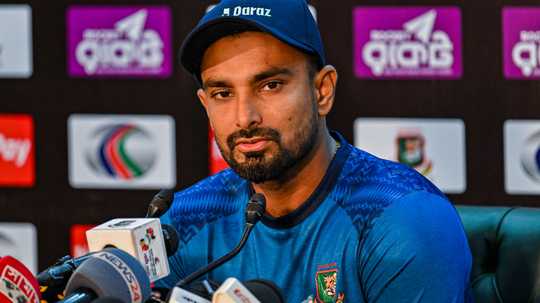
Bangladesh captain Litton Kumar Das has challenged his experienced batters to take greater responsibility as the team prepares to begin its campaign in a tri-nation ODI series in Abu Dhabi. With recent batting collapses still a concern, Litton says the top order must help Bangladesh build complete innings and give the side a stronger chance of competing for the title.
Bangladesh open the tournament against Zimbabwe on October 17 before facing hosts Afghanistan on October 21. The series offers an early test for Litton in his first tournament as the team’s full-time ODI captain—and an opportunity for Bangladesh to improve their cricket ahead of major competitions on the international calendar.
Bangladesh’s ODI batting under scrutiny
The call for greater responsibility follows a difficult run in 50-over cricket. Bangladesh failed to bat through their full 50 overs in any of their three matches against Afghanistan in their most recent ODI series. They also struggled to complete their innings during their previous series against Zimbabwe.
For Litton, the pattern underlines a problem that cannot be solved by one batter alone. The players in the top six or seven need to build partnerships, manage the middle overs and remain at the crease long enough to give the lower order a platform. Completing an innings does not guarantee a competitive total, but regular early dismissals make it harder for a team to set a target or chase one effectively.
“As senior players, we have to take responsibility,” Litton said, reflecting on Bangladesh’s recent performances. He added that the batting group must make sure its key contributors can see the innings through and help finish the game.
A positive mindset for the tournament
Although Litton acknowledged the team’s shortcomings, he does not want Bangladesh to become trapped by them. He believes previous defeats can offer useful lessons, but says the squad must approach the upcoming matches with confidence rather than assume the same problems will repeat.
That distinction could be important in a short tri-series, where each match has added significance and there is little time to recover from a poor performance. A positive approach, however, will need to be matched by practical improvements: better shot selection, stronger communication between the wickets and greater patience when conditions favour the bowlers.
Bangladesh’s challenge will be to balance intent with control. The side cannot afford to let pressure dictate its decisions, but it must also avoid allowing scoring opportunities to pass by. If the senior batters can provide stability without slowing the innings excessively, the team’s middle and lower order may have more freedom to accelerate later.
Aliss Al Islam earns his first ODI call-up
The tournament also presents an opportunity for mystery spinner Aliss Al Islam, who has received his maiden ODI call-up. Litton believes the youngster has earned the chance through his performances in domestic white-ball cricket and could benefit from working closely with Bangladesh’s national squad.
Aliss made his international debut in T20 cricket against Sri Lanka at the Asian Games. His ODI selection follows an impressive campaign for Prime Bank Cricket Club in the Dhaka Premier Division Cricket League, Bangladesh’s leading List A competition. He claimed 24 wickets in 10 matches to finish as the tournament’s leading wicket-taker.
Litton pointed to Aliss’s effectiveness in white-ball cricket, particularly in Bangladesh’s T20 circuit, and described this as a suitable moment to bring him into the national setup. Even if the spinner does not feature in every match, exposure to international preparation, senior players and tactical discussions could help him adjust to the demands of ODI cricket.
What a mystery spinner could add
For Bangladesh, Aliss’s selection offers another option in the bowling attack. Mystery spinners can create uncertainty by disguising variations in pace, flight and turn, making it difficult for batters to settle into a rhythm. In the UAE, where teams often need to adapt to changing pitch conditions, that variety could prove useful.
His role will depend on the match situation and the balance of the XI, but the call-up also reflects a wider selection goal: rewarding strong domestic performances and giving emerging players a pathway into international cricket. The experience could help Bangladesh assess how Aliss handles the pressure and tactical demands of the 50-over format.
Tri-series offers preparation for major tournaments
Litton sees the Abu Dhabi competition as more than a chance to win silverware. Bangladesh have the Asia Cup and an ODI World Cup ahead, and the captain believes the tri-series can help the team sharpen its plans before those larger events.
The format may involve fewer teams than the Asia Cup, but Litton says the pressure and competitive demands are comparable. Matches against Zimbabwe and Afghanistan will give Bangladesh a chance to test combinations, assess players in different roles and practise responding to high-pressure moments.
For a new full-time captain, the series is also an important opportunity to establish expectations. Litton will be looking for leadership from experienced players, while also assessing how younger members of the squad contribute. Clear roles and consistent performances could help Bangladesh build confidence as the team moves towards its bigger targets.
Can Bangladesh win the title?
Litton is optimistic about Bangladesh’s chances, while recognising that success will depend on performance rather than reputation. His view is straightforward: if the team plays good cricket, it has a chance to go all the way.
That belief will be tested first against Zimbabwe, followed by a meeting with Afghanistan. Both opponents can challenge Bangladesh in different ways, making the opening fixtures useful indicators of the team’s progress. For supporters following the cricket, the key question is whether Bangladesh’s senior batters can turn Litton’s message into longer, more composed innings.
Any prediction about the tournament remains uncertain, but Bangladesh’s route to a strong campaign is clear: make better use of the top order, remain positive after setbacks and give new talent a chance to contribute. If those elements come together, the tri-series could provide both a realistic shot at the trophy and valuable momentum for the challenges ahead.