
Manchester United Fans Express Frustration Towards INEOS Chief Over Ticket Prices
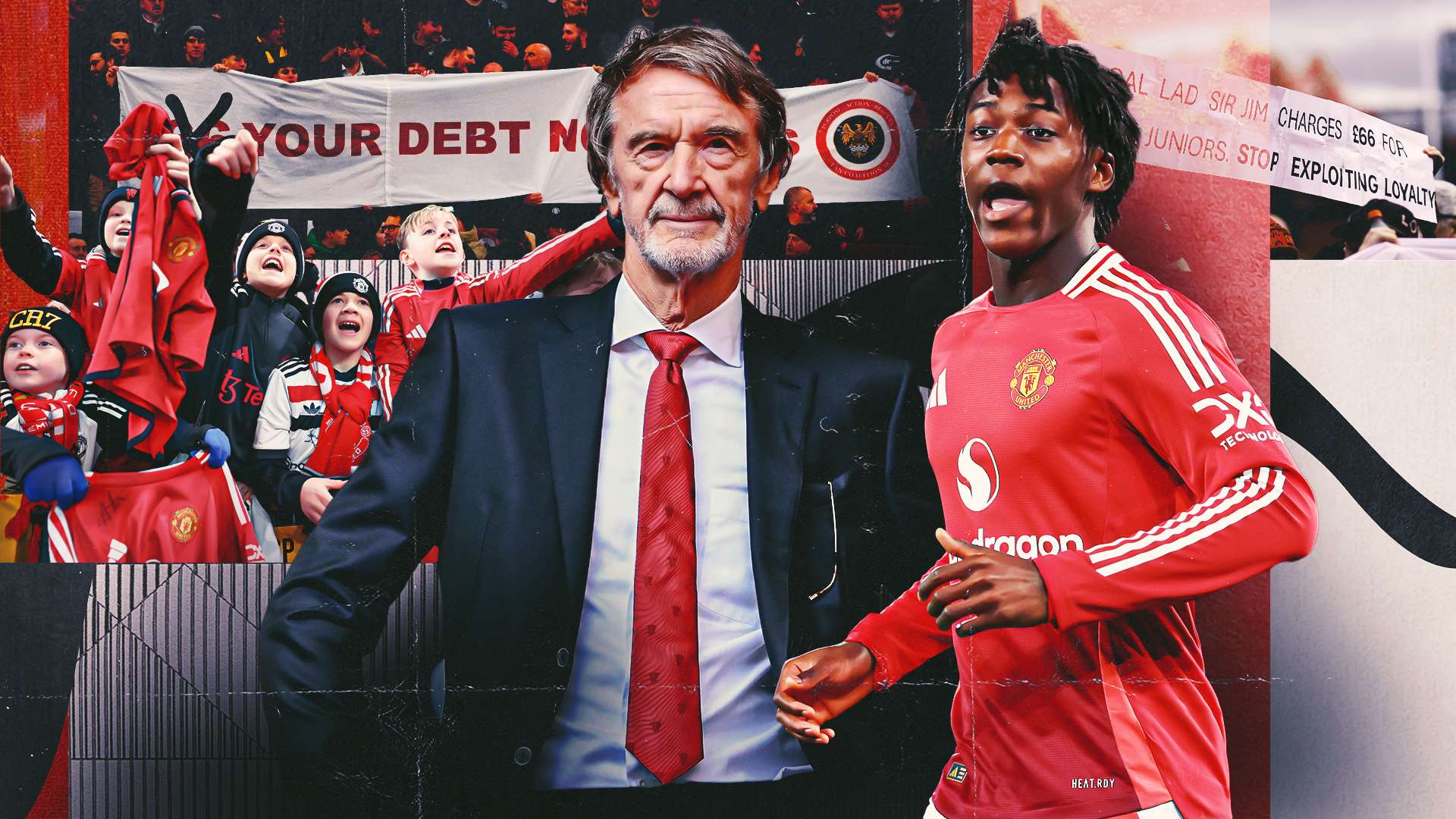
Manchester United supporters have expressed their frustrations towards INEOS chief Sir Jim Ratcliffe for his handling of ticket prices at the club. Ratcliffe, who purchased a 27 percent stake in the club last year, has come under fire from fans for implementing steep price hikes and eliminating concessions for children and over-65s.
A Change in Perception
When Ratcliffe first arrived at Old Trafford last year, fans greeted him politely. However, the mood has shifted drastically, with a group of supporters recently confronting him with expletive-laden criticism as he left a match against Fulham. The fans were not solely concerned about the team’s performance, which currently sees them in 12th place in the Premier League with a negative goal difference. Instead, they were protesting Ratcliffe’s decision to raise ticket prices mid-season and his plans to increase them further next season.
Unprecedented Price Hikes
Previously, tickets for paid-up club members started at £40 ($50) for adults and £25 ($31) for children. However, Ratcliffe’s new pricing structure has set a minimum price of £66 ($82) for these tickets, marking a 65% increase for adults and a staggering 164% increase for children. These changes were implemented without any consultation with fans, sparking outrage among supporters who feel marginalized by the club’s decision-making.
The Fans’ Perspective
The anger and frustration expressed by Manchester United supporters reflect a broader concern about the accessibility of live football matches. Fans argue that by raising ticket prices to such levels, Ratcliffe is alienating loyal supporters and prioritizing profit over the fans’ experience. Many feel that football should be a sport for everyone to enjoy, not a luxury reserved for the wealthy.
A Call for Change
As Sir Jim Ratcliffe continues to face backlash from fans, there is a growing call for him to reconsider his approach to ticket pricing at Manchester United. Supporters are urging the club to prioritize affordability and inclusivity, ensuring that all fans have the opportunity to support their team live at Old Trafford. The discontent among fans highlights the importance of listening to the concerns and perspectives of supporters in shaping the future of the club.
In conclusion, the relationship between INEOS chief Sir Jim Ratcliffe and Manchester United supporters has soured over the issue of ticket prices. As fans demand a reevaluation of the club’s pricing policies, the ball is now in Ratcliffe’s court to address their concerns and work towards rebuilding trust and goodwill among the fanbase.
The Impact of Ticket Prices on Fan Engagement
The controversy surrounding ticket prices at Manchester United not only highlights the financial burden on fans but also underscores the impact of pricing on fan engagement. When ticket prices become prohibitively expensive, it can lead to a decline in attendance, particularly among loyal supporters who may no longer be able to afford regular match attendance. This can result in a less vibrant atmosphere at the stadium, affecting the overall fan experience and potentially influencing the team’s performance on the pitch.
Furthermore, high ticket prices can create a barrier to entry for younger fans and families, limiting the next generation of supporters from developing a strong connection to the club. This could have long-term implications for Manchester United’s fan base and community engagement, as the exclusion of certain demographic groups may lead to a less diverse and inclusive fan culture.
The Role of Owners in Football Clubs
The discontent among Manchester United fans towards Sir Jim Ratcliffe also raises broader questions about the role of owners in football clubs. While owners undoubtedly play a crucial role in shaping the financial direction of a club, they also have a responsibility to consider the interests and well-being of the fan base. Football clubs are more than just businesses; they are cultural institutions with deep roots in their communities.
Owners like Ratcliffe have the power to influence not only the financial aspects of the club but also its ethos, values, and relationship with the supporters. By listening to fan feedback, engaging in dialogue with supporters, and demonstrating a commitment to inclusivity and affordability, owners can foster a stronger sense of unity and connection between the club and its fans.
A Call for Transparency and Communication
One of the key issues highlighted by the Manchester United ticket price controversy is the lack of transparency and communication between the club’s ownership and its supporters. Fans have expressed frustration at the unilateral decision-making process that led to significant price hikes without consultation or explanation.
Moving forward, there is a growing demand for greater transparency from club owners regarding financial decisions that directly impact the fan base. By involving supporters in the decision-making process, soliciting feedback, and providing clear justification for pricing changes, clubs like Manchester United can rebuild trust and foster a more collaborative relationship with their fans.
The Future of Fan Ownership and Engagement
As the debate over ticket prices at Manchester United continues, it underscores the evolving dynamics of fan ownership and engagement in modern football. Supporters are increasingly vocal and organized in advocating for their rights and interests, challenging club owners to prioritize the fan experience alongside financial considerations.
In an era where fan loyalty is being put to the test by rising ticket prices and commercialization of the sport, clubs like Manchester United face a critical juncture in defining their relationship with the fan base. By listening to fan feedback, demonstrating a commitment to affordability and inclusivity, and fostering open communication, clubs can ensure that the passion and loyalty of supporters remain at the heart of the beautiful game.
Ultimately, the resolution of the ticket price dispute at Manchester United will not only impact the club’s financial bottom line but also shape its identity, values, and long-term relationship with its supporters. By addressing the concerns raised by fans and working towards a more inclusive and fan-centric approach, the club has the opportunity to strengthen its bond with supporters and uphold the traditions and spirit of football that have captivated fans for generations.