
Gary Lineker Questions Michael Carrick’s Selection Strategy as Manchester United Faces Derby Defeat
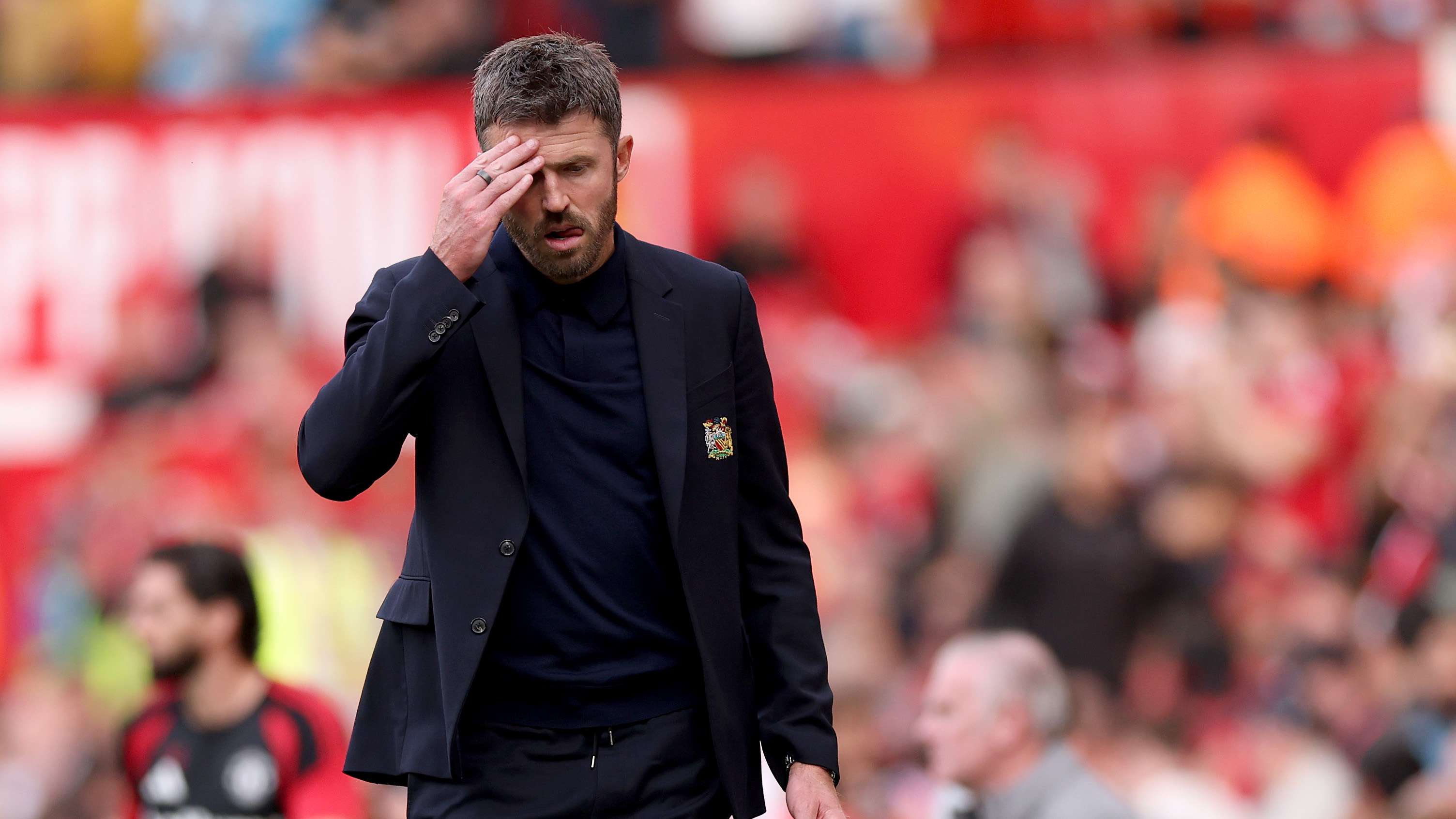
The football community is still buzzing over Manchester United’s recent performance in the highly anticipated derby clash against Manchester City. The match, which had fans on the edge of their seats, ended in disappointment for United supporters, raising questions about team selection and tactical decisions made by interim manager Michael Carrick. Among the key points of debate is Carrick’s apparent reluctance to give young striker Benjamin Sesko a more prominent role on the pitch.
Manchester United’s Frustrating Derby Loss and the Striker Dilemma
Manchester United’s recent defeat to Manchester City was a stark reminder of the challenges faced by the Red Devils this season. Despite showing moments of promise, United couldn’t sustain their attacking threats or maintain defensive solidity throughout the match. The result added pressure on the coaching staff to analyze their squad choices, particularly in attack, where decisions seem to be impacting the team’s overall performance.
One of the most talked-about topics following the game has been the role of Benjamin Sesko. The 23-year-old Slovenian striker, who joined United in the summer transfer window, has demonstrated promising signs in recent outings, including scoring crucial goals and showing excellent movement in the box. Yet, despite his form and potential, Sesko has been predominantly restricted to a substitute role, sparking criticism from fans and pundits alike.
Gary Lineker’s Insight: Is Sesko Being Undervalued?
Retired football legend and prominent sports pundit Gary Lineker has voiced his concern over the apparent hesitation to field Sesko from the start. Lineker pointed out that the young striker’s recent performances suggest he deserves more consistent game time, especially given the team’s need for fresh attacking options. In a recent discussion, he emphasized that the decision to bench Sesko could be a missed opportunity for United to inject new energy into their attack, especially in high-stakes matches like the derby.
Lineker’s comments shed light on a broader debate within the football community about the importance of trusting young talent in crucial fixtures. With United’s attacking options somewhat inconsistent—highlighted by the underwhelming performances of Matheus Cunha in the false-nine role—many believe that giving Sesko more opportunities could be a game-changer.
Understanding the Tactical Choices: Why Is Sesko Warming the Bench?
Michael Carrick’s cautious approach to team selection appears to be rooted in a combination of tactical considerations and player development strategies. Carrick, known for his thoughtful and measured coaching style, seems to prefer experienced players in key moments, perhaps to maintain stability during difficult fixtures.
However, critics argue that this approach might be neglecting the potential benefits of integrating young, high-potential players like Sesko into high-pressure situations. The challenge lies in balancing immediate results with long-term development—a dilemma faced by many coaches managing top-tier clubs.
Additionally, the struggles of Matheus Cunha, who has been deployed as a false-nine, highlight the difficulties in finding a consistent attacking rhythm. Cunha, although talented, has yet to fully adapt to United’s system, which has led to calls for fresh options in attack—options that Sesko could provide if given the chance.
Implications for the Football Prediction Landscape
The ongoing debate about team selection and player development at Manchester United also influences football prediction markets. Fans and analysts are closely monitoring managerial decisions, player form, and tactical setups to make informed predictions about future match outcomes.
As predictions for upcoming fixtures are made, the question of whether Sesko will be given a more prominent role could significantly impact betting odds and overall expectations. If Carrick opts to start Sesko more frequently, it could signal a shift in United’s attacking approach, potentially leading to more favorable predictions for goal-scoring opportunities and match results.
Looking Ahead: What Does the Future Hold for Manchester United?
Manchester United’s season remains in a state of flux, with coaching decisions and player utilization at the forefront of fan and pundit discussions. The club’s management faces the challenge of building a cohesive attack that can consistently threaten opponents, especially in high-stakes games like the derby against City.
Benjamin Sesko’s potential emergence as a regular starter is a storyline to watch closely. His recent performances suggest he could be a crucial piece in United’s puzzle, offering a blend of physicality, technical skill, and goal-scoring instinct that could elevate the team’s offensive capabilities.
Meanwhile, football prediction enthusiasts are keenly analyzing how tactical shifts, such as increased playing time for young talents, will influence the club’s trajectory and match outcomes in the coming months. The decisions made by Michael Carrick and his coaching staff will undoubtedly shape United’s fortunes and the broader narrative around their season.
Conclusion: The Road to Improvement and Success
As the Premier League season unfolds, the debate over team selection, particularly in key matches like the derby, underscores the importance of strategic planning and player development in football. While seasoned players bring experience, integrating promising young talents like Benjamin Sesko could be the key to unlocking Manchester United’s attacking potential.
Football prediction experts will continue to analyze the impact of these decisions, offering insights into future match outcomes. For fans, the hope remains that Carrick’s tactical choices will evolve, allowing United to bounce back stronger and more cohesive in future fixtures.
Ultimately, the journey toward success involves balancing immediate results with nurturing talent—a challenge that every top club faces. The ongoing story at Manchester United serves as a compelling case study for football enthusiasts, analysts, and bettors alike, all eager to see how strategic decisions shape the club’s destiny in the dynamic landscape of football prediction and competition.