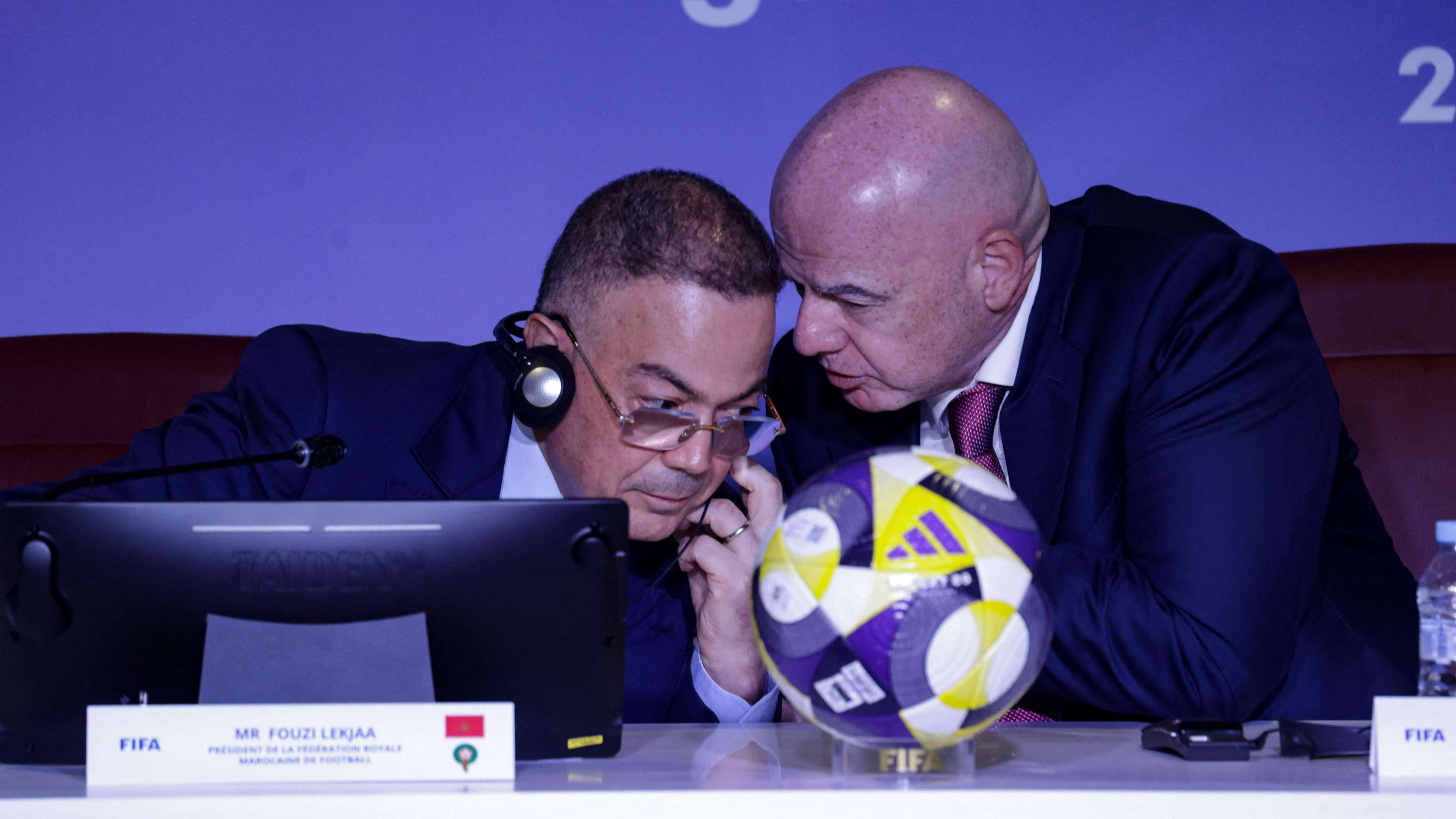

Morocco’s 2030 World Cup Ambition Extends Far Beyond the Stadiums
Morocco’s preparations for the 2030 FIFA World Cup are about much more than building match venues and welcoming football supporters. The Kingdom is positioning the tournament as a nationwide development project—one that could reshape transport links, strengthen infrastructure and spread economic opportunities beyond the cities hosting games.
That broader vision is central to Morocco’s ambition to make the centenary edition of the World Cup a lasting turning point. While the tournament will bring global attention to its stadiums and host cities, the country’s leaders say the most important legacy may be found in projects that continue serving residents and visitors long after the final whistle.
A World Cup Built on Decades of Preparation
Fouzi Lekjaa, president of the Royal Moroccan Football Federation, has described the 2030 tournament as the culmination of a development journey that began in the late 1990s. In comments reported by Moroccan news outlet Hespress, he presented the hosting award not as an isolated achievement, but as recognition of years of investment and planning.
The 2030 edition will be historic for several reasons. It will mark 100 years since the first World Cup, while its opening celebrations and matches are expected to span three countries across two continents. Morocco will represent Africa in the multinational event, sharing hosting duties with Spain and Portugal.
That international format creates a distinctive challenge. Organisers must coordinate travel, accommodation, security and tournament operations across national borders, while ensuring that supporters can move efficiently between venues. For Morocco, the task is also an opportunity to demonstrate how a major football event can contribute to long-term national priorities.
38 Team-Base Sites Could Spread the Benefits
One notable feature of Morocco’s planning is the inclusion of 38 sites for participating teams in the tournament specifications. Rather than concentrating every team’s accommodation and training arrangements in the main host cities, the proposed approach could give a wider range of locations the chance to take part in the World Cup experience.
Team base camps typically bring more than players and coaching staff to a destination. They can generate demand for hotels, training facilities, transport services, catering and local suppliers. They also offer residents a rare opportunity to see international teams preparing for one of the biggest competitions in sport.
The scale of the proposed network could therefore help distribute some tournament activity beyond the cities staging matches. Smaller communities and regional centres may benefit from upgrades to sports facilities, improved services and increased visibility, although the eventual impact will depend on which sites are selected and how investment is managed.
Lekjaa has stressed that Morocco does not want the World Cup’s developmental gains to remain confined to six host cities. The stated aim is to extend opportunities across as much of the country as possible. That ambition reflects a wider question facing major sporting events: how can a tournament’s economic and social benefits reach people who live far from the stadiums?
Rail and Infrastructure at the Heart of the Legacy
Transport is one of the most important parts of Morocco’s World Cup strategy. A tournament involving multiple cities depends on reliable connections for teams, supporters, workers and officials. Better rail links can help reduce journey times, ease pressure on roads and make it simpler for visitors to combine matches with travel to other parts of the country.
A central project is the planned extension of Morocco’s high-speed rail network to Marrakesh. Further development is also envisaged, with the longer-term ambition of extending the network towards Agadir. These improvements would support tournament logistics, but their value would not end when the competition is over.
Faster and more dependable connections can link cities to employment, education, healthcare and tourism opportunities. They can also encourage visitors to explore beyond the best-known destinations, supporting local businesses and spreading tourism spending more widely. In this sense, rail investment is both a practical requirement for a global event and a potential tool for regional development.
More Than Match-Day Improvements
World Cup preparations can also accelerate work on roads, public spaces, utilities, accommodation and city services. Such upgrades may improve the experience for fans during the tournament, while helping host communities manage future growth. The challenge is to ensure that projects are planned around lasting local needs rather than short-term event demands alone.
That distinction matters because major sporting events can bring substantial costs as well as international attention. Long-term value depends on whether new facilities are affordable to operate, whether transport projects serve everyday passengers and whether local businesses can participate in the opportunities created. Morocco’s emphasis on a broad development footprint suggests that legacy planning is intended to be part of the hosting model from the outset.
What Morocco’s World Cup Prediction Means for Fans
For football supporters, the 2030 tournament is likely to offer a distinctive travel experience. Morocco’s cities, landscapes and cultural heritage could make the competition more than a series of stadium visits. If transport projects progress as planned, fans may find it easier to travel between match venues and explore destinations beyond the main football hubs.
Any prediction about the tournament’s ultimate impact should remain measured. Infrastructure plans take time, and the benefits will depend on delivery, accessibility and long-term use. Still, the scale of the proposed programme points to a clear ambition: to use football’s global reach to advance projects that matter to the country well beyond the competition itself.
Morocco’s 2030 World Cup story, then, will not be told only through goals, results and memorable matches. It will also be measured in the connections built between regions, the communities that gain from investment and the transport systems left behind. If the country can turn its plans into durable improvements, the tournament’s most significant legacy may be the everyday changes that continue long after the world’s attention moves on.