
The Dispute Between Al-Hilal and Renaissance Berkane: A Deep Dive
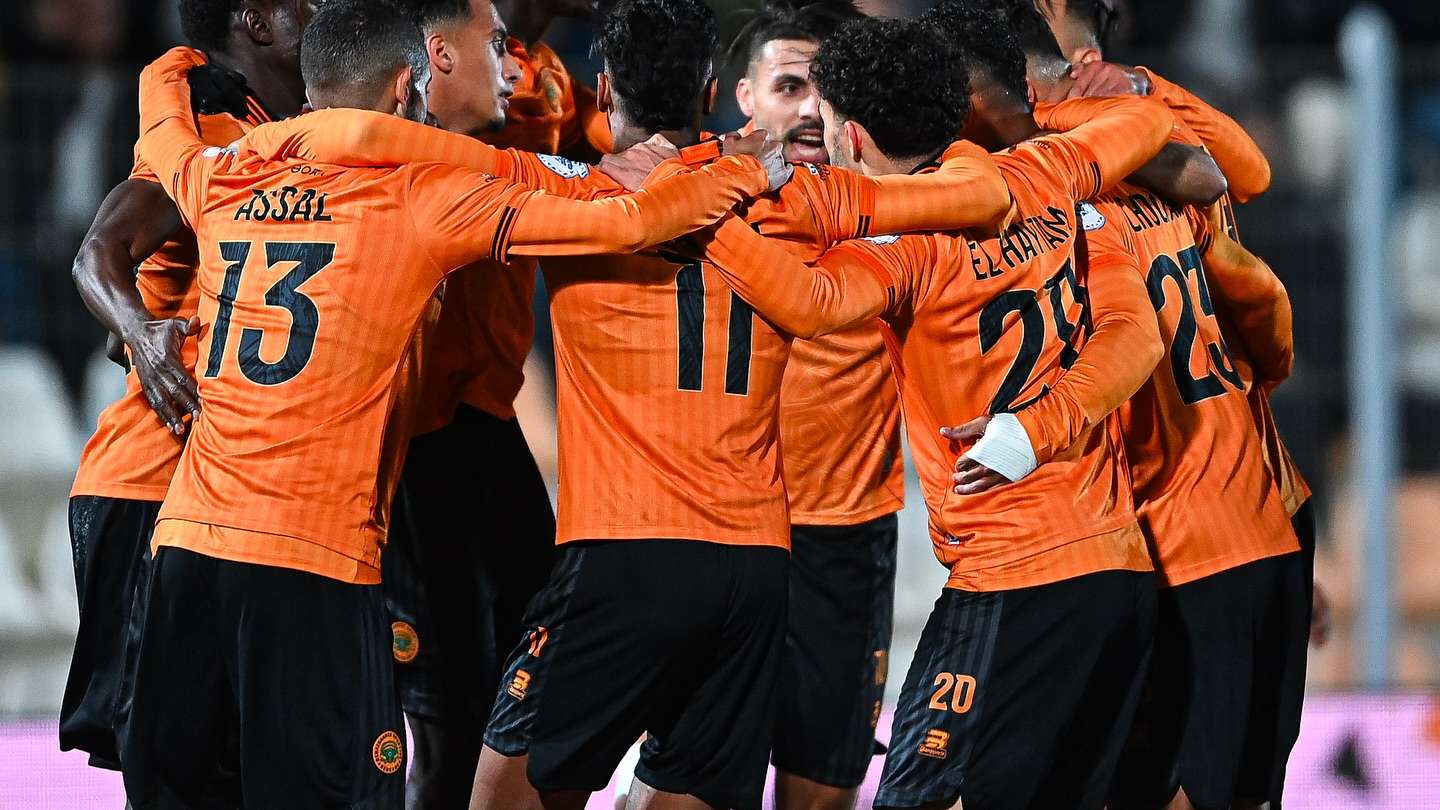
The ongoing dispute between Sudan’s Al-Hilal and Morocco’s Renaissance Berkane has been causing ripples in the football world. The conflict stems from Al-Hilal’s complaint to the Confederation of African Football (CAF) regarding the eligibility of player Hamza Al-Mousawi to participate in the quarter-finals of the African Champions League.
The Allegations
Al-Hilal’s management has raised concerns about Al-Mousawi’s eligibility, citing alleged use of performance-enhancing substances. The club has urged CAF to conduct an urgent investigation into the matter. Despite sending multiple official statements to CAF, Al-Hilal has not received a formal response, leading to frustration and accusations of administrative silence.
As tensions escalated, CAF announced a hearing on April 9th to address the complaint, just days before the scheduled semi-final match between Al-Hilal and Renaissance Berkane.
The Legal Perspective
Sports law expert Tarek Al-Alaimi weighed in on the situation, providing a detailed legal analysis. He explained that CAF had initially imposed a 30-day suspension on Al-Mousawi after a positive test result for banned substances. However, the Chair of the Disciplinary Committee had the authority to lift this suspension, making the player eligible to compete.
Al-Alaimi emphasized that both the player and Renaissance Berkane had followed the procedures outlined by CAF, and any appeal from Al-Hilal was unlikely to change the match result. He highlighted the importance of adherence to the committee’s decisions and regulations in such cases.
The Way Forward
Al-Hilal had requested a final decision from CAF before April 6th or a postponement of the match until a ruling was issued. The club even threatened to escalate the matter to the Court of Arbitration for Sport (CAS) if its demands were not met.
With the scheduled semi-final looming, the football community awaits CAF’s decision on the dispute between Al-Hilal and Renaissance Berkane. While the legalities of the case are complex, the focus remains on ensuring fair play and upholding the integrity of the sport.
As football enthusiasts eagerly anticipate the upcoming matches, the outcome of this dispute could have far-reaching implications for both clubs and African football as a whole. Stay tuned for further updates as the situation evolves.
Impact on Players and Fans
The dispute between Al-Hilal and Renaissance Berkane has not only affected the clubs and their management but has also had a significant impact on the players and fans involved. With the uncertainty surrounding the eligibility of Hamza Al-Mousawi, the player in question, both teams have had to navigate a challenging period of speculation and doubt.
For Al-Mousawi, the situation has put his career and reputation at stake. Accusations of doping can have long-lasting consequences for a player, tarnishing their image and casting a shadow over their achievements. The uncertainty surrounding his participation in crucial matches has undoubtedly taken a toll on his mental and emotional well-being.
On the other hand, fans of both clubs have been left in a state of limbo, unsure of how the dispute will unfold and what impact it will have on their teams. Football is not just a game for many supporters but a way of life, and the uncertainty surrounding the dispute has heightened tensions and emotions among the fan base.
The Role of CAF in Football Governance
The handling of the dispute by the Confederation of African Football (CAF) has come under scrutiny, with many questioning the organization’s transparency and efficiency in resolving such issues. The lack of a timely response from CAF to Al-Hilal’s complaints has raised concerns about the effectiveness of the governing body in addressing disputes and upholding the integrity of the sport.
As a continental governing body, CAF plays a crucial role in ensuring fair play and adherence to regulations in African football. The handling of cases like the one between Al-Hilal and Renaissance Berkane is a litmus test of CAF’s ability to enforce its rules and maintain the credibility of the sport on the continent.
Lessons Learned and Future Precautions
The dispute between Al-Hilal and Renaissance Berkane serves as a reminder of the importance of clear rules and regulations in football. Transparent and effective governance is essential to prevent such conflicts from arising and to ensure that disputes are resolved in a fair and timely manner.
Both clubs involved in the dispute can learn from this experience and take precautions to avoid similar situations in the future. Clear communication, adherence to anti-doping protocols, and proactive engagement with governing bodies can help prevent misunderstandings and disputes that could harm the reputation and success of the clubs.
As the football world watches closely for CAF’s decision on the matter, the outcome of this dispute will undoubtedly shape how clubs, players, and fans approach similar situations in the future. The lessons learned from this experience can pave the way for a more transparent, fair, and harmonious football environment in Africa and beyond.
Ultimately, the resolution of the dispute between Al-Hilal and Renaissance Berkane will not only impact the immediate future of both clubs but will also leave a lasting imprint on the broader football community, shaping how conflicts and disputes are managed in the sport.