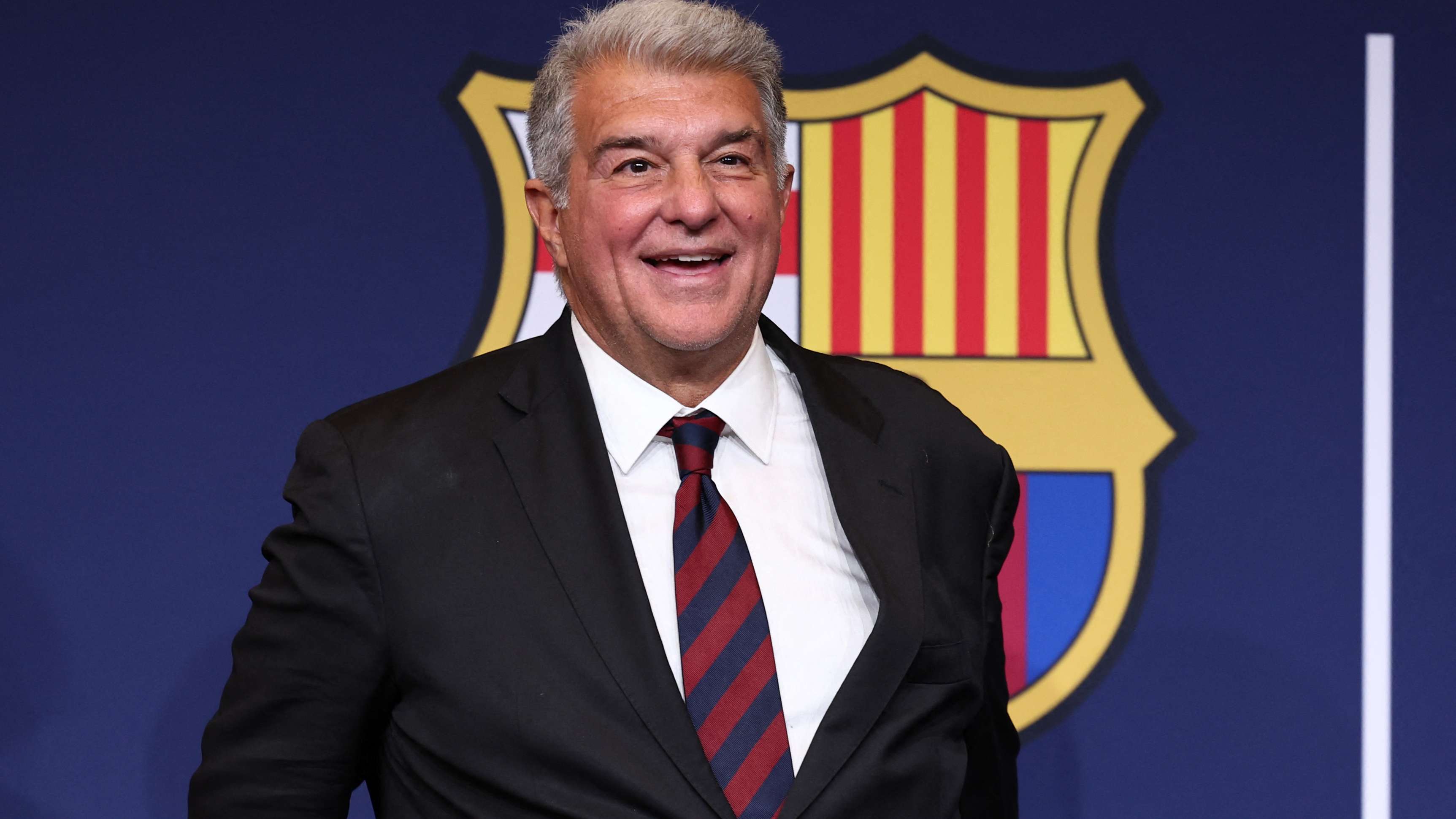

Barcelona Poised for Historic Summer Transfer Window: Record Revenues and Strategic Transfers
The summer transfer window has been a whirlwind of activity for FC Barcelona, one of Europe’s most storied football clubs. Under the leadership of President Joan Laporta, the club has been navigating an ambitious financial strategy aimed not only at strengthening the squad but also at optimizing their revenue streams. As the window approaches its close, Barcelona are on track to achieve a historic financial milestone, with revenues from player transfers projected to reach nearly 120 million euros—a figure that could set new benchmarks for the club’s transfer-era finances.
Breaking Down the Transfer Revenue: A Unique Financial Snapshot
It’s important to clarify that this impressive figure does not necessarily reflect a balanced transfer business in terms of spending versus income. Instead, it represents the total revenue generated solely from player departures—an essential component of Barcelona’s financial strategy during this window. These revenues encompass a variety of sources, including direct sales, sell-on clauses, and solidarity payments tied to players developed through the famed La Masia academy.
What makes this sum particularly noteworthy is that it underscores the club’s ability to generate substantial income without necessarily relying on large incoming transfer fees—highlighting the strategic importance of player sales in balancing their books, especially amid financial constraints.
Ferran Torres: Leading the Charge in Transfer Revenues
The standout figure in this summer’s transfer revenue haul is Ferran Torres, whose high-profile move to Paris Saint-Germain (PSG) has significantly contributed to Barcelona’s financial success. The transfer, estimated at approximately 48.5 million euros, ranks among the club’s top individual transfer sales of recent times. Remarkably, Torres’s sale alone accounts for nearly half of the total transfer revenue projected this summer, underscoring his importance in the club’s broader financial and sporting strategy.
The sale of Torres not only provides immediate financial relief but also exemplifies Barcelona’s shift toward a more sustainable financial model—one that emphasizes strategic player sales as a means of balancing the books while investing in new talent and squad development.
Strategic Significance of Transfer Revenue in Barcelona’s Financial Planning
Barcelona’s approach to transfer revenue this summer highlights a broader shift in their financial and sporting philosophy. Historically renowned for their ambitious spending in the transfer market, the club now appears to be prioritizing financial prudence alongside sporting ambition. This is particularly relevant given the club’s ongoing efforts to comply with La Liga’s financial fair play regulations and to restore fiscal stability following recent years of economic turbulence.
In this context, transfer predictions suggest that Barcelona’s focus on player sales will continue to be a key element of their financial planning, enabling them to reinvest in emerging talents, strengthen key positions, and maintain competitiveness in La Liga and beyond. The revenue generated this summer is seen as a stepping stone toward their long-term strategic goals, including building a sustainable, self-sufficient club model.
Additional Context: The Role of La Masia and Solidarity Payments
Beyond direct sales, a significant portion of Barcelona’s transfer-related income comes from solidarity payments—fees that are distributed to clubs involved in the training and development of players who have transferred elsewhere. These payments reflect the club’s prestigious youth academy, La Masia, which has produced world-class talents such as Lionel Messi, Xavi Hernandez, and Andrés Iniesta.
These solidarity payments serve as a vital revenue stream, especially for a club focused on nurturing young talent. They also reinforce the importance of investment in youth development, aligning with Barcelona’s long-standing philosophy of promoting homegrown players and maintaining a sustainable transfer model.
Implications for the Future: Transfer Predictions and Club Strategy
Looking ahead, transfer predictions indicate that Barcelona’s focus will remain on balancing their financial health with sporting success. The club is expected to continue leveraging player sales as a strategic tool, identifying potential transfer targets that fit their financial parameters while also strengthening the squad.
Furthermore, the club’s emphasis on developing and promoting La Masia graduates is likely to continue, with the aim of reducing reliance on expensive signings and fostering a sustainable model. This approach aligns with the broader trend across European football, where clubs are increasingly prioritizing financial stability and long-term planning.
Conclusion: A New Era of Financial Prudence and Sportive Ambition
As FC Barcelona edges toward the conclusion of their summer transfer window, the projected revenue figures from player transfers highlight a new chapter in the club’s history. With nearly 120 million euros generated through strategic sales—led notably by Ferran Torres—the club demonstrates a commitment to financial discipline while pursuing sporting excellence.
This transfer prediction underscores Barcelona’s evolving identity as a club that values sustainable growth, smart financial management, and talent development. The coming months will be crucial in translating these transfer revenues into on-field success, as the club aims to reclaim its position among Europe’s elite.
In summary, Barcelona’s transfer window achievements are more than just numbers—they reflect a strategic vision rooted in financial prudence, youth development, and competitive ambition. Fans and analysts alike will be watching closely to see how these financial gains translate into sporting triumphs in the seasons ahead.