
Kompany Criticises Olise After Bayern’s Dramatic Champions League Draw
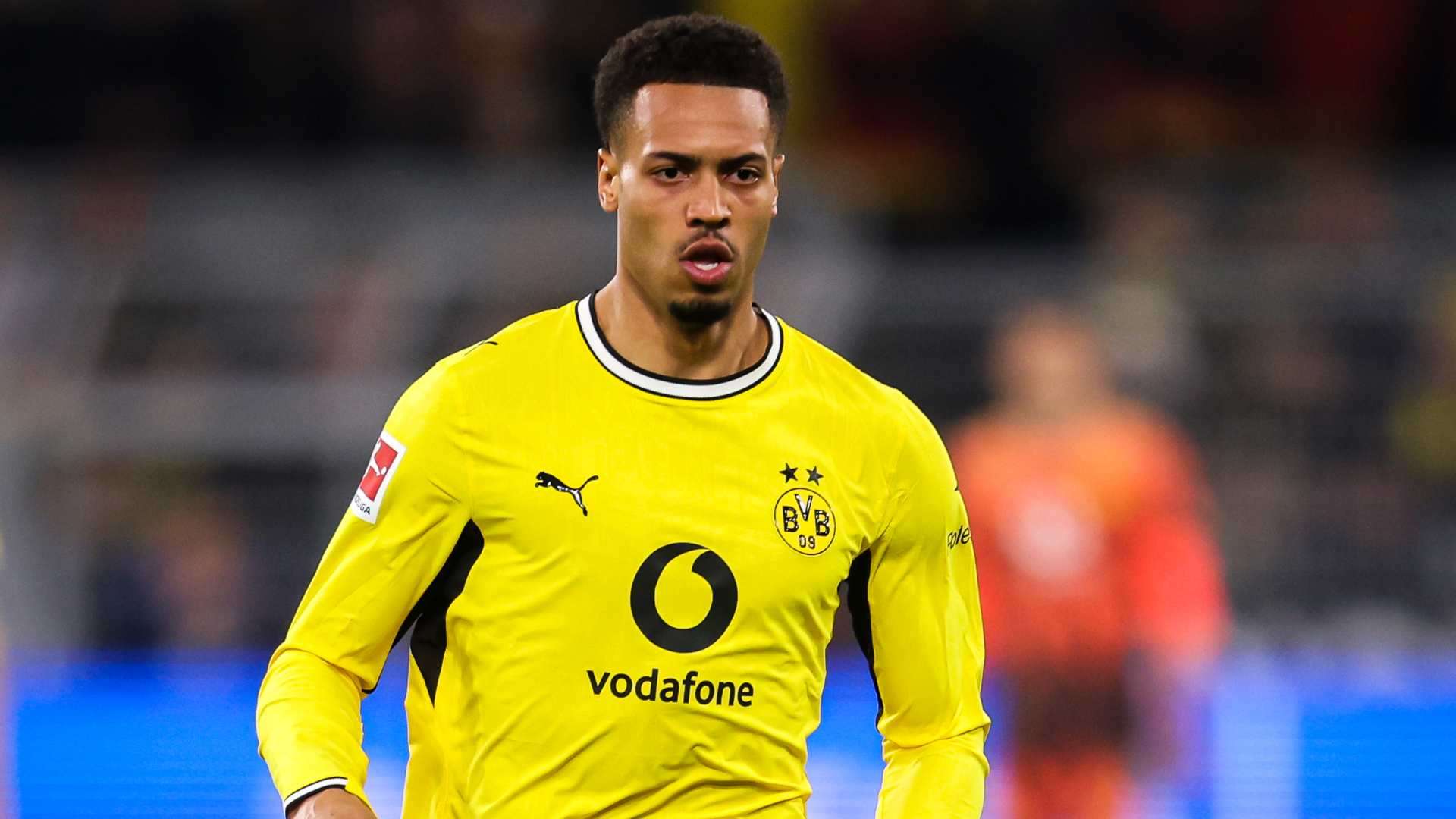
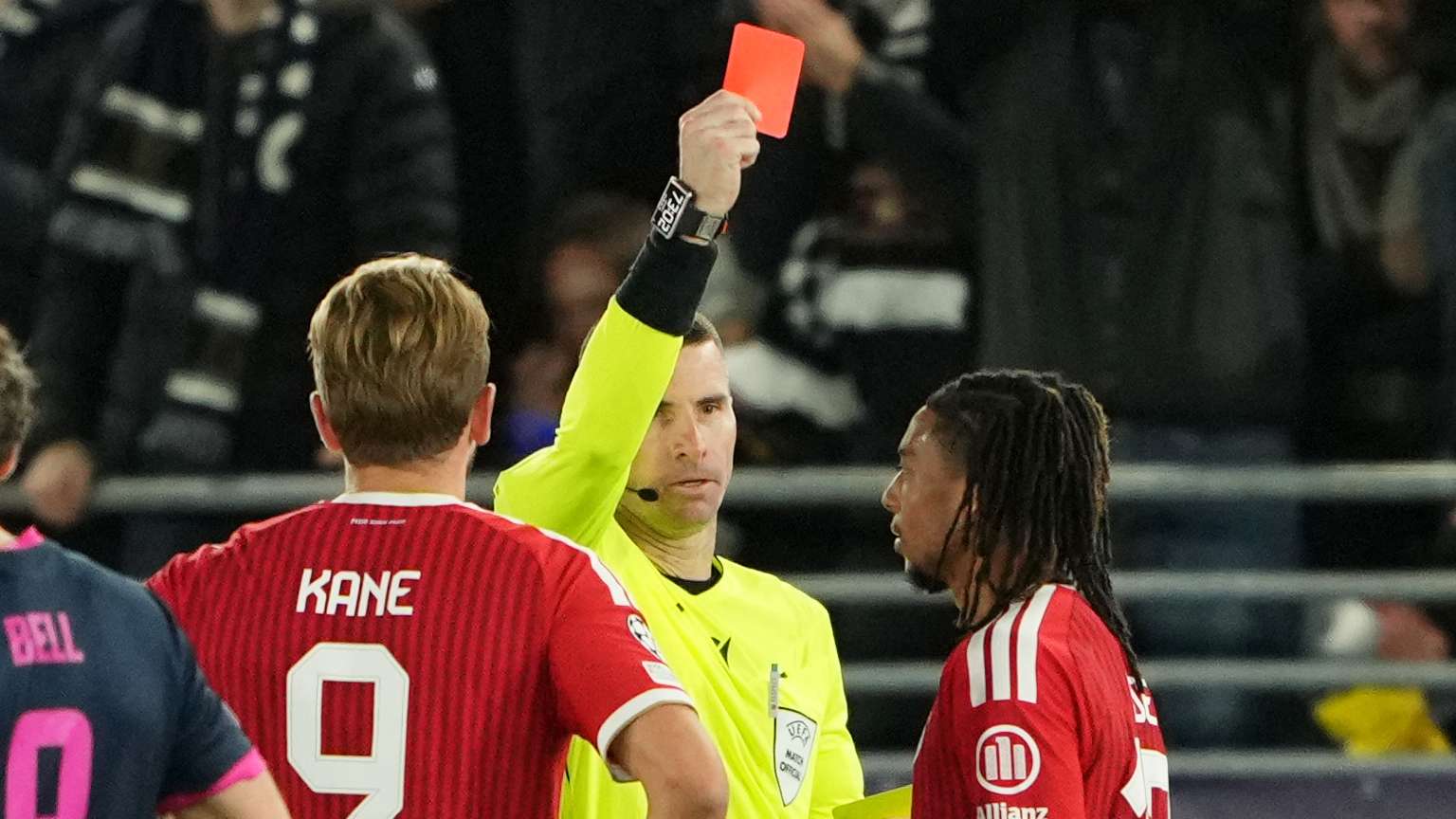
Vincent Kompany has delivered a blunt assessment of Michael Olise’s dismissal after Bayern Munich were held to a dramatic 3-3 draw by Viking Stavanger in the Champions League. The French winger was sent off after reacting to an opponent’s provocation, leaving Bayern short-handed during a tense contest and prompting his manager to describe the decision as “incredibly stupid.”
Olise’s red card quickly became one of the defining moments of the match. Bayern had been involved in an open, high-energy encounter, but losing a player forced the German side to adjust while trying to protect their position in a game that remained unsettled until the final stages. Kompany’s comments reflected the frustration of a coach who felt the incident was avoidable—and that his player had allowed an opponent to dictate his response.
Why Olise’s red card changed the game
In elite European football, a dismissal can reshape a match in seconds. A team playing with ten men has to cover more ground, defend wider spaces and make difficult decisions about whether to keep attacking or retreat into a compact formation. Bayern’s numerical disadvantage therefore affected more than their formation: it altered the rhythm of the game and increased the pressure on every remaining player.
The incident was especially frustrating for Bayern because it followed a reaction to provocation. Players are often targeted by opponents seeking to disrupt their concentration, draw a response or gain a tactical advantage. The challenge is to remain composed, even when emotions run high. Kompany’s criticism suggests he believed Olise had failed that test, turning a moment of irritation into a costly disciplinary outcome.
For a winger, discipline is particularly important. Wide players are frequently involved in close physical duels and can become the focus of persistent attention from defenders. Maintaining control helps a team preserve its shape and keeps an important attacking option on the pitch. Olise’s departure removed a creative presence from Bayern’s forward line at a time when the match demanded both composure and threat.
Kompany’s message: emotion cannot override judgement
Kompany’s description of the reaction as “incredibly stupid” was unusually sharp, but the message was clear: provocation is not an excuse for losing control. Coaches expect players to compete aggressively, yet they also demand the judgement to distinguish between a genuine threat and an attempt to provoke a mistake. In a high-stakes European fixture, that distinction can have consequences for the entire team.
The Bayern manager’s response also underlined the standards he expects from his squad. A red card is not simply an individual setback. Teammates must compensate for the missing player, the coaching staff may need to alter their plans, and the club can be left dealing with a suspension in a future match. In a competition where every point and every goal can influence a club’s path, avoidable disciplinary problems can carry a cost beyond the night itself.
That does not mean Olise’s contribution should be judged solely by one incident. The winger has the technical quality to influence games through his movement, passing and ability to create chances in tight spaces. But talent brings responsibility, particularly when a player is central to a team’s attacking plans. Bayern will want Olise to respond by showing that he can stay focused when opponents attempt to unsettle him.
A 3-3 result that leaves questions for Bayern
The 3-3 scoreline made for an entertaining contest, but it also left Bayern with plenty to review. A draw in a Champions League match can represent a useful point depending on the circumstances, yet the manner of the performance matters. Bayern will examine how they managed the game before and after the dismissal, whether their defensive distances remained compact, and how effectively they protected their lead or responded to changes in momentum.
Matches with several goals often expose both a team’s attacking strengths and its defensive vulnerabilities. Bayern’s ability to score and threaten going forward will offer encouragement, while conceding three times is likely to prompt questions about organisation and control. The red card complicated those assessments, but it does not erase the broader need to manage key moments more effectively.
For Viking Stavanger, the draw represents a significant result against one of Europe’s most prominent clubs. Taking points from Bayern requires resilience, concentration and the ability to make the most of changing circumstances. The Norwegian side’s performance also showed why Champions League opponents cannot be judged by reputation alone: tactical discipline and persistence can make a contest far more difficult than the pre-match prediction suggests.
What the result means for Bayern’s Champions League campaign
Under the competition’s league-phase format, every match contributes to a broader table rather than a straightforward group race. That makes dropped points important, but their significance depends on results elsewhere and the team’s overall position. Bayern will need to turn the lessons from this draw into a more controlled performance in their next European fixture, particularly when dealing with pressure and emotional flashpoints.
Olise’s availability could also become a talking point if the red card leads to a suspension. Bayern’s squad depth may help cover his absence, but replacing a player’s specific qualities is not always simple. The coaching staff may have to adjust the balance of the attack, give another forward a greater role or ask a different player to provide width and creativity.
For supporters following the club, the immediate prediction is that Kompany will demand a measured response rather than a prolonged debate about the referee or the provocation. Bayern’s next step will be to demonstrate greater discipline, sharper defensive coordination and the ability to control a match when circumstances turn against them. Olise, meanwhile, will be under pressure to show that the incident was a lapse rather than a recurring weakness.
The lesson for Olise and Bayern
The draw with Viking Stavanger will be remembered for its goals, but Olise’s dismissal may have the longest-lasting impact. Kompany’s public criticism was severe, yet it highlighted a fundamental principle of top-level football: emotional control is part of performance. Bayern can still take positives from their attacking play, but they will know that avoidable mistakes can undermine even the most talented side.
As the Champions League campaign continues, Bayern’s response will matter more than one difficult night. If Olise learns from the episode and the team improves its game management, the 3-3 result could serve as a useful warning. If not, the same combination of provocation, indiscipline and defensive uncertainty could make future European fixtures even harder to navigate.