
Vincent Kompany Defends Strategic Decisions Amid Bayern Munich’s Draw Against Schalke
In a recent Bundesliga encounter that left fans and analysts buzzing, Bayern Munich experienced a rare setback as they were held to a 0-0 draw by Schalke 04 in Gelsenkirchen. The result, while seemingly uneventful on the surface, carried significant implications for the German giants, particularly as it marked the end of an impressive scoring streak that had persisted for over a year. Central to the post-match discussions was Bayern’s head coach, Vincent Kompany, who stood firm in defending his tactical choices, notably the decision to leave star striker Harry Kane and creative midfielder Michael Olise on the bench during the crucial fixture.
Understanding the Context: Bayern’s Form and the Significance of the Draw
Before delving into Kompany’s defense, it’s essential to understand the broader context of Bayern Munich’s recent form and the importance of this match. The Bavarian club has long been regarded as one of Europe’s most dominant teams, boasting a storied history of success both domestically and in international competitions. Their relentless attacking style and strategic prowess have often made them favorites in any fixture. However, the 0-0 stalemate against Schalke—a team fighting to avoid relegation—was a stark reminder of football’s unpredictable nature and the importance of tactical adaptability.
The draw effectively ended Bayern’s remarkable scoring streak, which had extended for over a year across competitive matches, highlighting their offensive consistency and dominance. This streak was a testament to their offensive firepower, led by Harry Kane, who has quickly integrated into the team’s attacking fabric. The match also raised questions about team selection, tactical approach, and the balance between risk and reward in high-stakes fixtures.
Vincent Kompany’s Decision: To Bench Kane and Olise
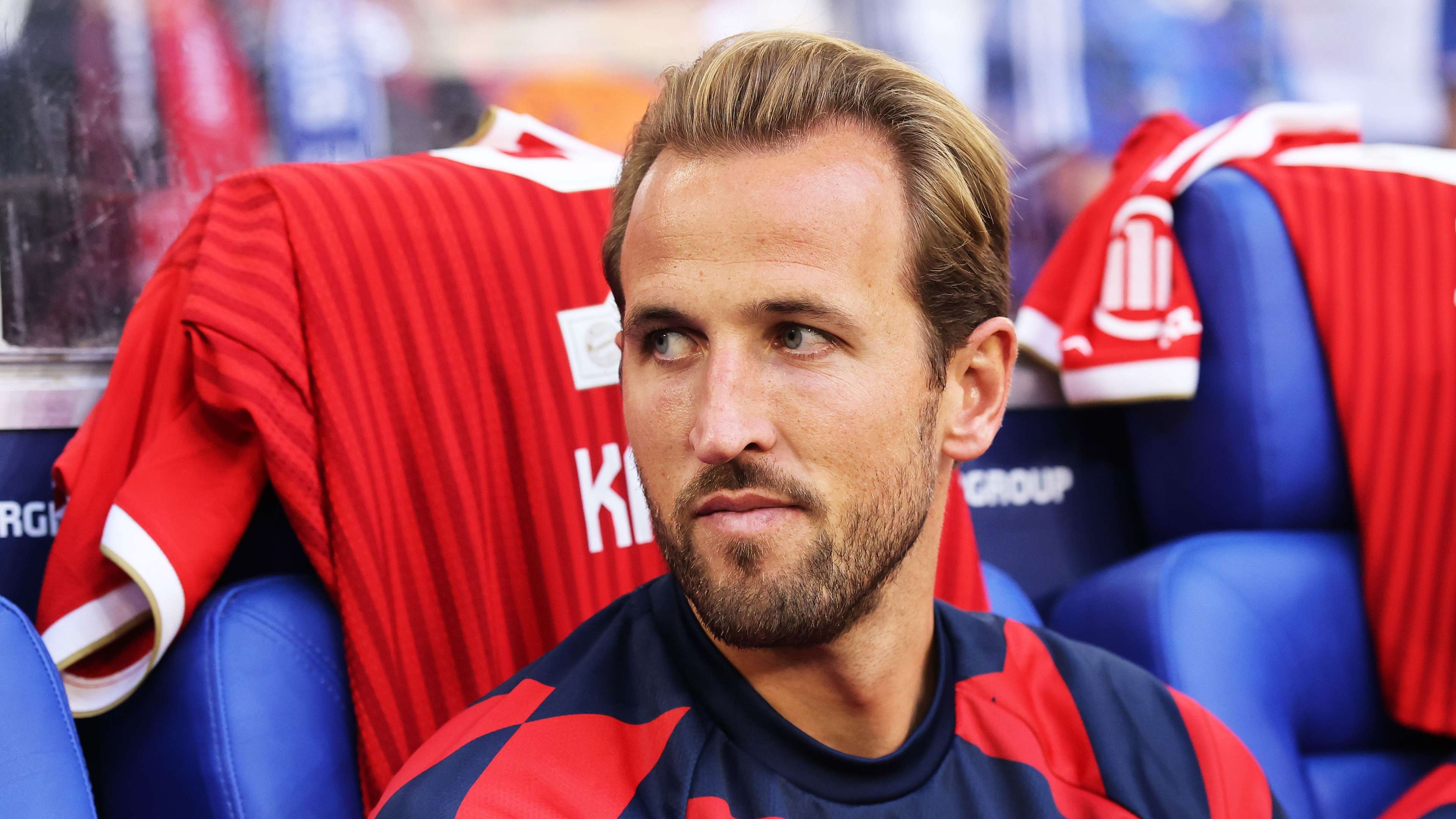
One of the most talked-about aspects of the game was Vincent Kompany’s decision to omit Harry Kane and Michael Olise from the starting lineup. Kane, Bayern’s marquee signing, arrived with high expectations to bolster their goal-scoring capabilities, while Olise has been praised for his creativity and flair. The decision to leave them on the bench sparked immediate debate among fans, pundits, and football prediction analysts, many of whom speculated about the strategic reasoning behind such choices.
In his post-match press conference, Kompany defended his approach, emphasizing the importance of tactical flexibility and the need to adapt to specific opponents. He highlighted that every fixture requires a tailored game plan, and sometimes, this involves trusting the existing squad to execute the strategy effectively. Kompany explained that resting key players like Kane and Olise was part of a broader plan to manage player workload and to test different tactical configurations, especially in a challenging away fixture against Schalke.
Strategic Insights: Why Kompany Chose to Rotate
From a strategic perspective, Kompany’s decision aligns with modern football trends emphasizing squad rotation and tactical versatility. Football prediction models often favor teams that can adapt their approach based on the opponent’s strengths and weaknesses. By benching Kane and Olise, Kompany aimed to introduce a different dynamic—perhaps prioritizing a more defensive setup or focusing on midfield control—hoping to exploit Schalke’s vulnerabilities.
Moreover, this decision underscores the importance of squad depth at top clubs like Bayern. With a roster filled with talented players, managers often rotate key figures to keep the squad fresh and motivated, especially during congested fixture periods. Kompany’s approach reflects a long-term vision, balancing immediate results with player management, a tactic increasingly appreciated in football prediction circles that seek to forecast outcomes based on strategic nuances.
Implications for Bayern Munich and Future Predictions
The outcome of the match—an unexpected draw—has sparked renewed discussions regarding Bayern’s attacking efficacy and strategic consistency. While the team’s overall form remains strong, the inability to break down Schalke’s defense raises questions about their capacity to deliver in crucial fixtures, particularly in knockout stages of tournaments or high-stakes league encounters.
Looking ahead, football prediction experts will closely analyze Bayern’s tactical choices and player rotations to assess their likelihood of success in upcoming matches. The end of the scoring streak serves as a reminder that even the most dominant teams are vulnerable, especially when tactical adjustments are made or when facing well-organized defenses.
Expert Opinions and Fan Reactions
Football pundits have widely commented on Kompany’s decision, with many praising his strategic flexibility. Some analysts suggest that resting Kane and Olise allowed Bayern to experiment with different formations, which could be beneficial in the long run. Others argue that such decisions might carry risks if they lead to missed scoring opportunities or affect team chemistry.
Fans, meanwhile, have expressed mixed reactions. Supporters of Bayern appreciate the managerial approach, trusting in Kompany’s tactical acumen, while others are anxious about the team’s inability to secure a win against Schalke’s resilient defense. The debate underscores the importance of strategic decision-making in football prediction, where small adjustments can significantly influence match outcomes and league standings.
Conclusion: A Lesson in Football Strategy and Prediction
The 0-0 draw between Bayern Munich and Schalke underscores the unpredictable nature of football and the critical role of tactical choices. Vincent Kompany’s decision to bench Harry Kane and Michael Olise was rooted in a strategic vision aimed at managing player workload and exploring different formations. While the result may have been disappointing, it offers valuable insights into modern football management—emphasizing adaptability, squad rotation, and strategic foresight.
As football prediction continues to evolve with advanced analytics and strategic modeling, this fixture serves as a reminder that even the most dominant teams are susceptible to surprises. The end of Bayern’s scoring streak invites fans and analysts alike to reassess their forecasts, considering not just the players on the pitch, but also the tactical nuances that can turn the tide of any game.
Looking forward, Bayern’s next fixtures will be closely watched to see how they adapt and whether their strategic rotations will translate into better results. For football enthusiasts and prediction enthusiasts, this match exemplifies the importance of nuanced analysis, strategic foresight, and understanding the complex dynamics that define football’s unpredictable beauty.