
Breaking Down the Controversy: Bayern Munich’s Michael Olise and the Power of Football Predictions
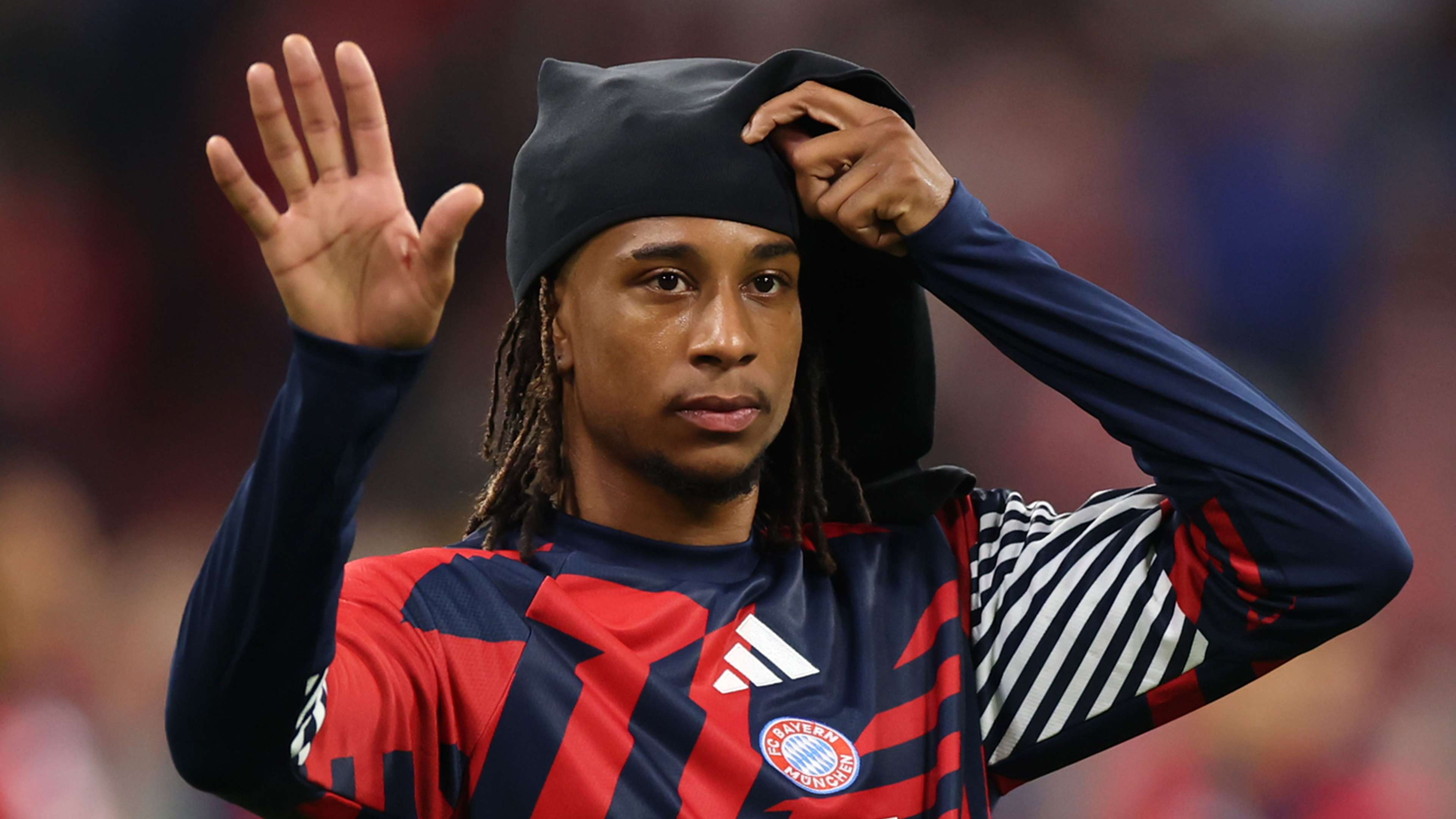
In the world of professional football, the spotlight often illuminates not only players’ skills on the pitch but also their personalities and how they handle media interactions. Recent events involving Bayern Munich’s talented France international, Michael Olise, have sparked widespread discussion among fans, pundits, and analysts alike. This article delves into the circumstances surrounding Olise’s notable interview, the reactions from club officials, and the broader implications for football predictions and player media engagement.
Vincent Kompany and Max Eberl Defend Olise Amid Media Storm
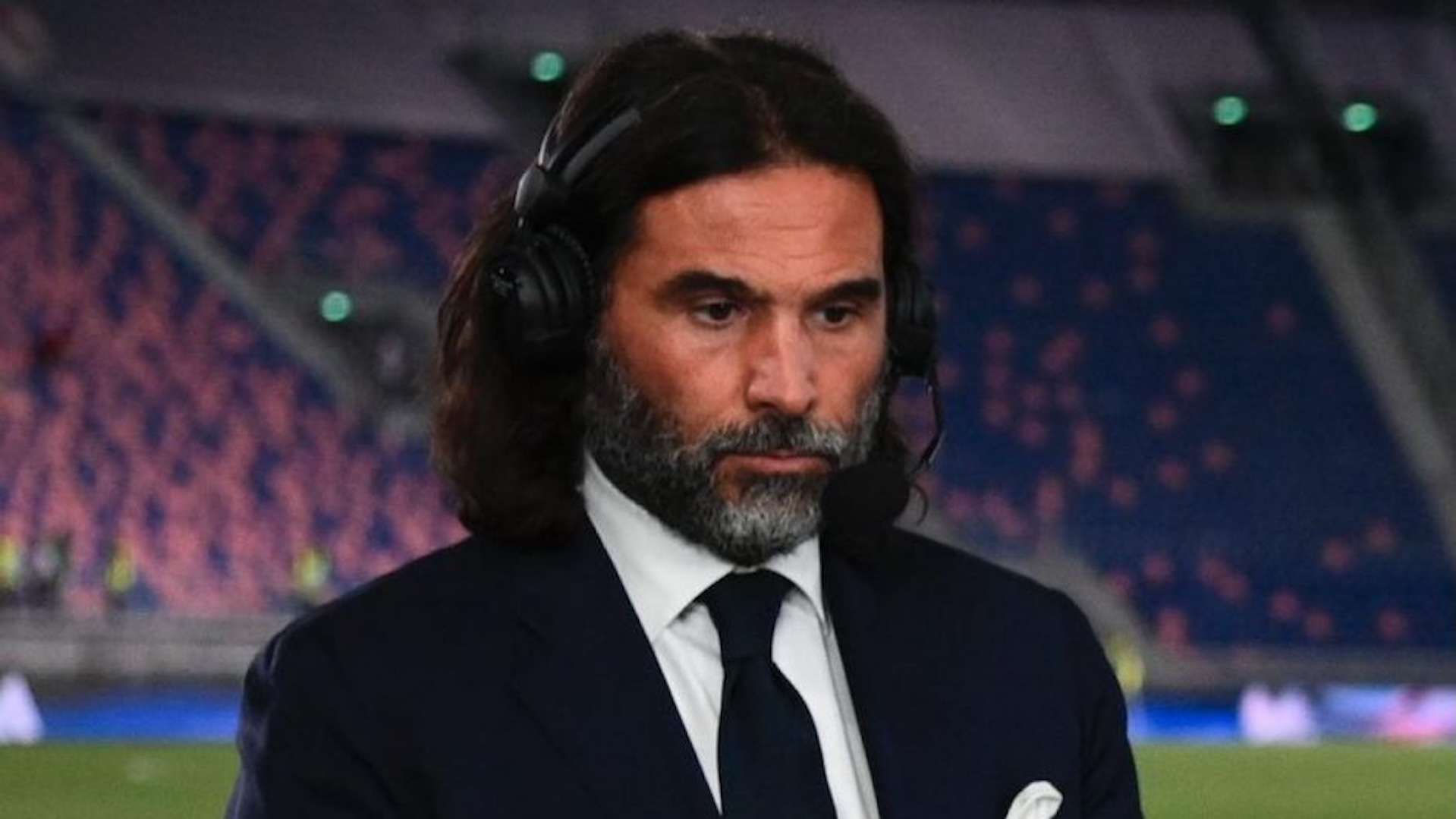
Following Bayern Munich’s commanding 5-0 victory over Bodø/Glimt, Olise’s interview with DAZN reporter Jochen Strutzky quickly became the talk of the football community. Known for his reserved demeanor and reluctance to engage in lengthy media sessions, Olise’s terse responses and overall attitude raised eyebrows. Yet, club officials Vincent Kompany, Bayern’s head coach, and sporting director Max Eberl, stepped forward to defend the 24-year-old midfielder, emphasizing his professionalism and genuine passion for playing football.
During a pre-match press conference ahead of the Bundesliga clash against Elversberg, Eberl addressed the media, offering context to Olise’s interview style. “Michael Olise is someone who simply wants to play football,” Eberl explained. “All the external noise and media stuff don’t mean much to him. We observed this from his very first day at Bayern two years ago. Not everyone expresses themselves in the same way, and that’s perfectly okay.”
Eberl further highlighted the positive public perception of Olise on social media, where fans and football analysts praise his authentic approach. “People see him as a true footballer — someone who plays with his heart and enjoys the game. Kids especially relate to that honesty, which is something we should celebrate,” he added. Significantly, Olise has been named Man of the Match three times in just five Bundesliga appearances this season, underscoring his undeniable impact on the pitch despite his media shyness.
Vincent Kompany’s Perspective: The Viral Moment and Its Significance
While Eberl’s comments focused on Olise’s character and professionalism, Vincent Kompany offered a more playful yet insightful take on the viral interview. When a journalist asked whether Olise’s unorthodox responses had inadvertently helped generate media buzz, Kompany responded with a touch of humor, saying, “Aren’t you satisfied that this has gone viral? If he answered every question like I do, nothing would go viral.”
He emphasized that Olise’s approach, while unconventional, does not diminish his value as a player or a professional. “Michael always conducts himself with utmost professionalism off the pitch. Sponsors and journalists value his authenticity, and it’s important that we don’t read too much into brief moments of media reluctance,” Kompany explained.
The Details of the Controversial Interview
The interview that sparked the debate took place in midweek after Olise scored a stunning 25-meter goal, which temporarily put Bayern ahead in their match. Strutzky’s question about the goal’s feeling prompted a blunt response from Olise: “No idea.” When pressed further on whether the goal came from instinct or deliberate thought, Olise simply replied, “I shoot, and then it goes in or it doesn’t.”
The reporter attempted to probe deeper, asking if scoring such goals was purely instinctual. Olise’s succinct reply was, “I’m not the only one who can score goals,” signaling his straightforward attitude. When the journalist pressed for more personal insights, Olise’s disinterest became apparent, and he concluded the interview with a brief affirmation when asked if scoring makes him happy: “Yes.”
Olise’s Media Persona and Its Impact on Football Predictions
Known for being media-shy and rarely engaging in lengthy interviews, Olise’s nickname “Mr. Nonchalant” perfectly captures his reserved demeanor. However, his approach offers a broader lesson for football prediction enthusiasts and analysts. In a sport where media narratives often influence betting markets and predictions, understanding players’ personalities can provide valuable context.
Olise’s straightforwardness and focus on performance over publicity may suggest that his on-field predictions and match analyses are rooted in genuine instinct rather than media-driven hype. Football predictions heavily rely on analyzing player form, team dynamics, and tactical setups — but knowing a player’s mental attitude and personality traits can enrich these forecasts.
Insights from Olise’s Post-Match Media Comments
After the game, Olise spoke more openly to UEFA’s official channels, discussing his team’s performance. “The first half was tough because the opposition sat deep. But once the game opened up, we created chances and took them,” he explained. When asked if Bayern Munich needs to adopt more patience compared to last season, he responded philosophically: “We play the same way as last year. Whatever happens, happens.”
These comments reflect a mature, composed mindset that could be crucial for accurate football predictions, especially in high-stakes matches where patience and tactical discipline often determine outcomes. Olise’s understanding of team dynamics and game flow adds depth to predictive models that consider not just statistics but also player psychology and strategic adaptability.
The Broader Context: Media Engagement and Player Image in Modern Football
Olise’s case underscores a significant trend in modern football: the balancing act between media engagement and player authenticity. While some players thrive in the spotlight, others, like Olise, prefer to let their performances speak for themselves. This divergence influences how football predictions are made, as analysts must account for both on-field data and off-field personality traits.
Moreover, the football industry increasingly recognizes that players’ personalities can impact sponsorships, fan engagement, and overall team chemistry. Olise’s professionalism and authenticity, despite his media-shy nature, demonstrate that a player’s value extends beyond their goals and assists. Their mental resilience and attitude often shape game outcomes and predictive assessments.
Conclusion: Embracing Authenticity in Football Predictions
As the football world continues to evolve, understanding the nuanced personalities of players like Michael Olise becomes vital for accurate predictions and strategic analysis. His recent interview, while seemingly controversial, offers insight into the importance of authenticity, professionalism, and mental fortitude in football. Clubs, fans, and analysts alike benefit from recognizing that not all players communicate in the same way, and that genuine passion for the game often transcends media appearances.
In the end, Olise’s approach reminds us that football is not just about glossy interviews and viral moments but about the pure love of the game. Whether predicting match outcomes or analyzing player performance, incorporating a holistic view that includes personality traits can lead to more precise and insightful football predictions in this dynamic sport.