
Klopp Rejects Talk of Kimmich Losing His Place in Germany’s Midfield
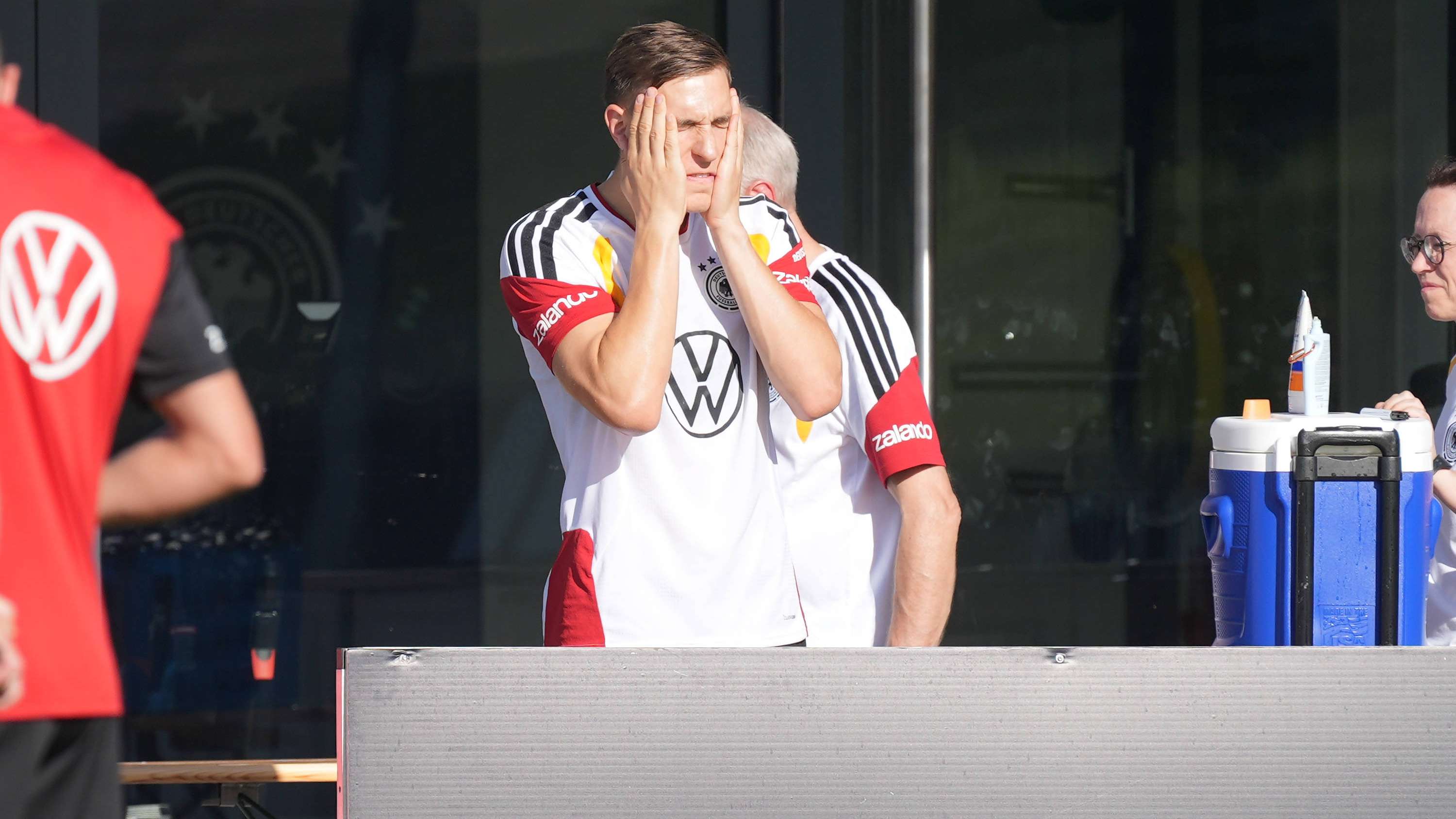
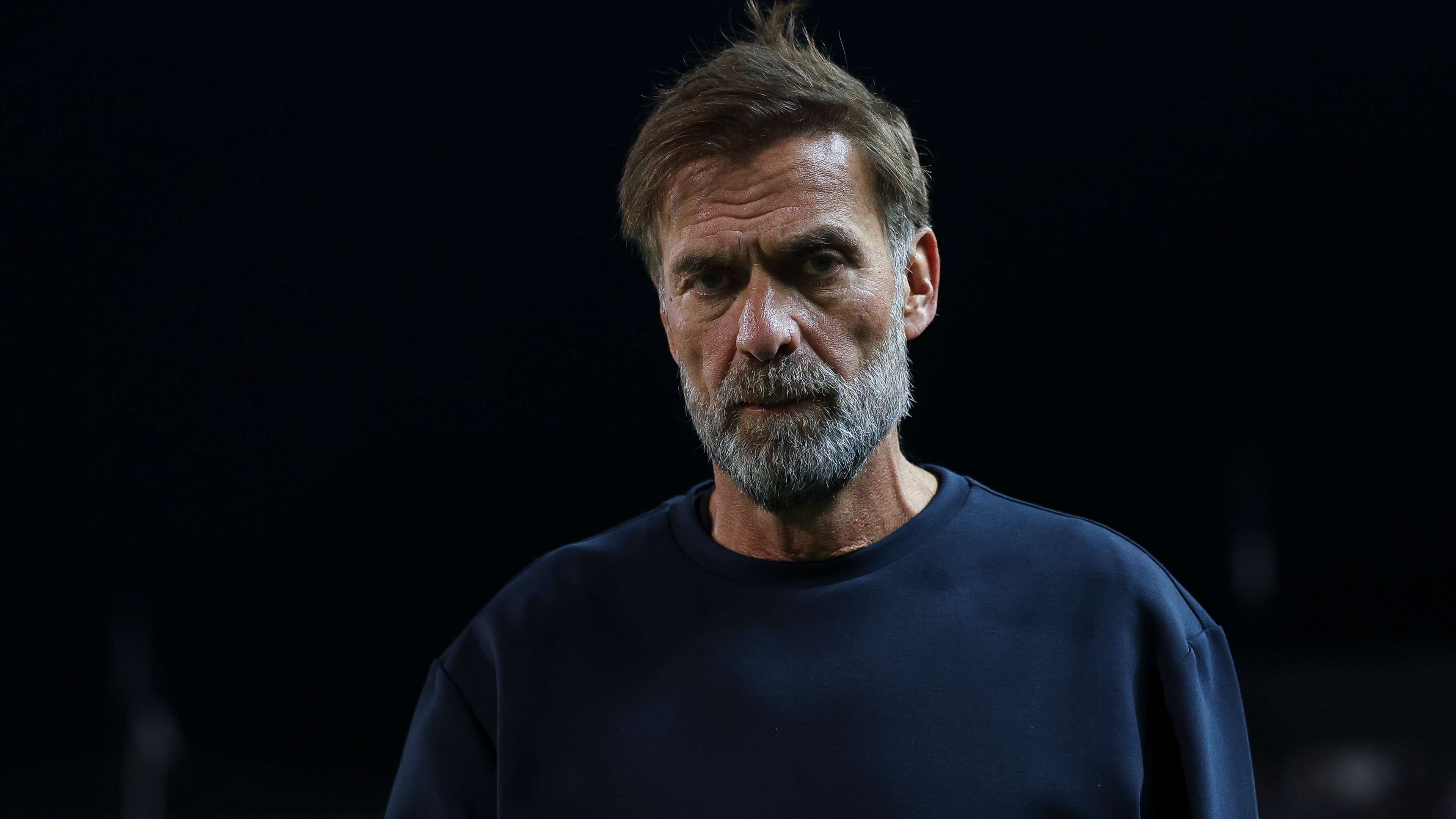
Jürgen Klopp has pushed back against suggestions that Aleksandar Pavlović and Tom Bischof could replace Joshua Kimmich as Germany’s preferred midfield partnership, calling the timing of the debate disrespectful. Kimmich was absent from Bayern Munich’s 2-2 Champions League draw with Arsenal after the death of his father, and Klopp urged commentators to keep that personal loss in mind.
Speaking on DAZN’s match-analysis programme, the Germany head coach praised the young Bayern midfielders but cautioned against treating one match as a verdict on Kimmich’s future. He said Pavlović and Bischof were “wonderful partners” who could play together effectively, while stressing that discussion of their potential should not become an argument about whether Kimmich still belongs in the team.
Klopp says Kimmich remains central to Germany
Klopp was unequivocal about Kimmich’s standing, describing him as an exceptional midfielder who will continue to have a place in the national side. His comments addressed a familiar reaction in football: when an established player misses a game and a younger teammate performs well, speculation can quickly turn into claims that the veteran has been displaced.
“This is a discussion that only happens in this country,” Klopp said, criticising the idea that a player who misses one match should immediately be considered finished as a starter. He called that conclusion unreasonable, particularly in Kimmich’s circumstances. The midfielder’s absence was not a routine selection decision; it followed a bereavement, making comparisons about his role especially ill-timed.
Klopp’s response also serves as a reminder that team selection involves more than a single performance or a short-term prediction about who might start next. Coaches assess form, fitness, tactical needs, experience and the demands of a particular opponent. A player’s temporary absence does not automatically erase the contribution he has made over many seasons.
Why Germany benefits from midfield competition
Rather than framing the situation as a choice between Kimmich and the emerging Bayern pair, Klopp argued that strong teams need several dependable midfielders. He said a squad is better equipped when it has four, five or even six quality options, allowing the coach to shape the team’s football according to the challenge in front of it.
That depth can prove valuable across a demanding international calendar. Germany may need different qualities depending on the opponent: composure in possession, defensive coverage, pressing intensity or the ability to progress the ball quickly. Having multiple capable midfielders gives Klopp more tactical flexibility and helps protect the team when injuries, suspensions or scheduling pressures affect availability.
Kimmich brings extensive experience and a proven ability to influence matches from midfield. Pavlović and Bischof, by contrast, represent a younger generation seeking to establish themselves at club and international level. Their development can strengthen Germany without necessarily pushing an experienced player out. In a competitive squad, roles can change from match to match while the overall group becomes stronger.
Bischof praises Pavlović but acknowledges Kimmich’s value
Bischof was also asked whether he and Pavlović could become Bayern Munich’s long-term holding midfield partnership. The young midfielder made clear that he enjoys playing alongside Pavlović, but he did not present their connection as a challenge to Kimmich’s position.
He acknowledged Kimmich’s importance and noted that Bayern coach Vincent Kompany ultimately decides who plays. Bischof added that he is happiest when he is on the pitch and receiving minutes, while accepting that the team’s future arrangement remains uncertain.
That measured answer reflects the reality facing promising players at a major club. Regular opportunities matter, but so does patience. A strong showing can improve a player’s case for selection, yet competition is part of life at Bayern, where established internationals and emerging talents are expected to share the same midfield space.
What the Arsenal draw does—and does not—tell us
Bayern’s 2-2 draw with Arsenal offered a high-profile stage for Pavlović and Bischof, but one Champions League match cannot settle questions about the club’s long-term midfield hierarchy. The result was a demanding European contest, and the wider discussion around the players should be separated from the circumstances that kept Kimmich out of the game.
For Bayern, the presence of several credible midfield options can be an advantage as the season progresses. Kompany can choose combinations to suit the opponent, manage workloads and give younger players valuable experience. For Germany, the same depth gives Klopp a broader pool from which to build a balanced team.
The key point in Klopp’s comments was not that Pavlović and Bischof lack potential. On the contrary, he recognised their ability to play together. His objection was to turning their promise into a premature verdict on Kimmich, especially while the player was dealing with a family loss.
A broader message about selection debates
Klopp’s intervention highlights how quickly football analysis can become overly definitive. One absence may trigger predictions about a permanent change, even when the reason is personal and unrelated to performance. Coaches, players and supporters can acknowledge a young midfielder’s progress without treating another player’s place as immediately under threat.
For now, the outlook is straightforward: Pavlović and Bischof have the potential to form an effective partnership, while Kimmich remains an important option for both Bayern and Germany. The precise balance will depend on form, tactics and selection decisions made over time—not on a single match or a headline-grabbing prediction.
Klopp’s message was ultimately one of respect and squad-building. Germany, he argued, should welcome competition and value its depth rather than reduce a talented midfield group to a simple contest between old and new. With experienced leadership and emerging quality available, the national team has more possibilities—not fewer—to shape its football in the months ahead.