
Joshua Kimmich Returns to Bayern Munich in an Emotional Klassiker
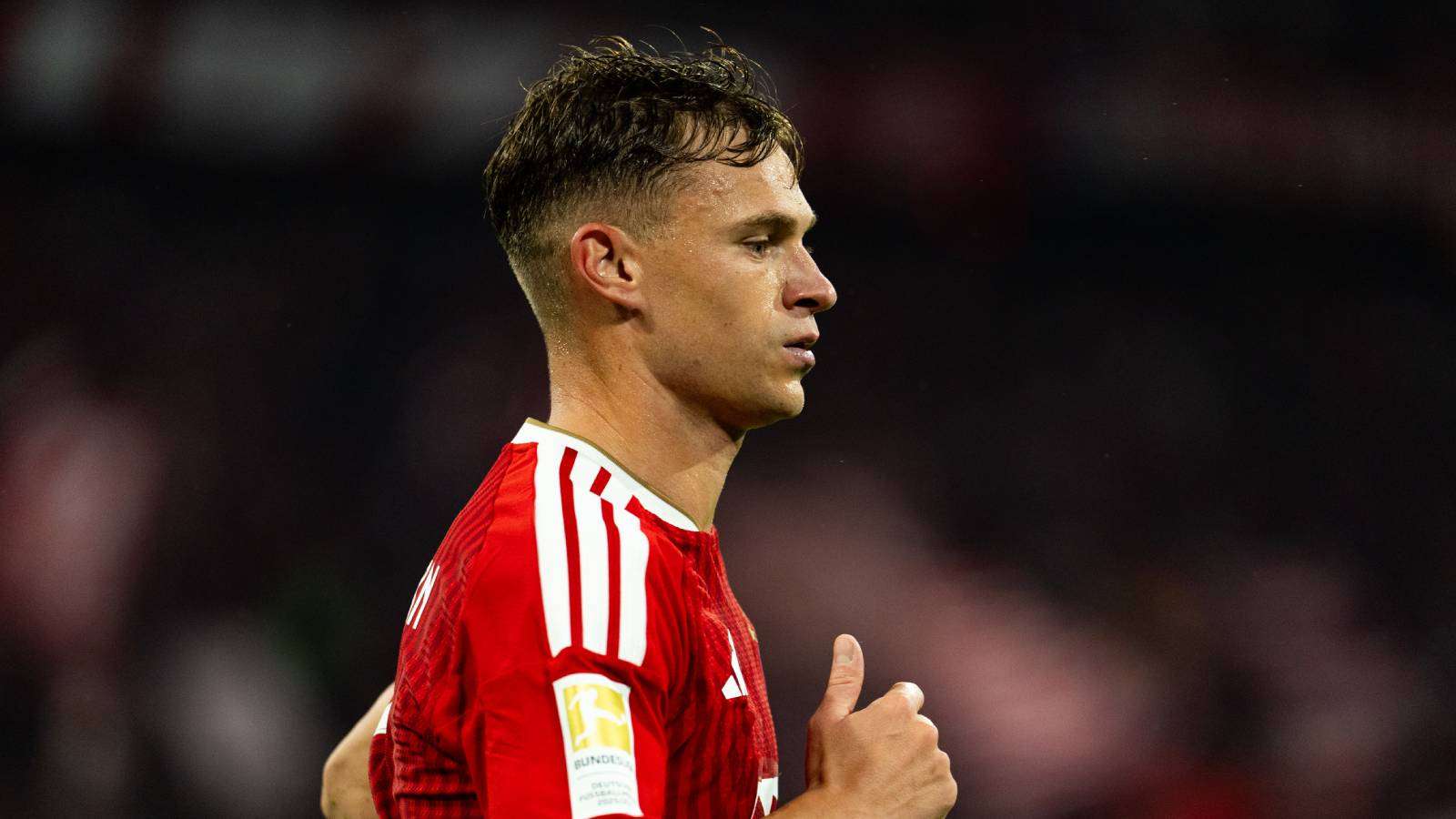
Joshua Kimmich’s return to Bayern Munich’s starting line-up was about far more than football. The midfielder captained his side in the Bundesliga’s high-profile clash with Borussia Dortmund after missing several matches following the death of his father. The 2-2 draw was an intense contest on the pitch, but for Kimmich, it was also a deeply personal evening marked by grief, support and the difficult first steps toward a familiar routine.
Speaking after the match, the 31-year-old described the previous week as exceptionally hard for him and his family. His father, he said, had been a constant presence throughout his life: someone who stood by him, encouraged him and believed in him even when Kimmich struggled to believe in himself. Returning to play, therefore, brought both comfort and pain.
“When I’m on the pitch is when I think about him most,” Kimmich explained. He added that coming back was important as he tried to regain a sense of normality, even though part of him wished the world could pause. Life, he reflected, continues to move forward, and he was grateful to be back with his teammates.
Why Was Joshua Kimmich Missing From Bayern’s Recent Matches?
Kimmich had been absent from Bayern’s recent fixtures against Arsenal, SC Freiburg and 1. FC Magdeburg following his father’s death. His return against Dortmund placed him straight back into a demanding role: starting in midfield and wearing the captain’s armband in one of the season’s most closely watched Bundesliga games.
The decision to return was personal, but the support around him also mattered. Kimmich thanked Bayern, the German Football Association (DFB) and people close to him for their sympathy. He said their kindness had meant a great deal during a painful period, highlighting how important a football club’s wider community can be when a player is dealing with a loss away from the pitch.
His father’s perspective remained with him, too. Kimmich recalled advice that, at the end of the day, football is only football, and that health matters most. The comment carried particular weight after the match, when Bayern were managing several injury concerns of their own.
A Touching Gesture From Niko Kovac
The emotional support was visible during the game. Borussia Dortmund coach Niko Kovac, who previously worked with Kimmich at Bayern, briefly put an arm around the midfielder and offered his condolences. Kimmich later revealed that Kovac had also sent him a message during the week, a gesture he described as especially thoughtful.
Kovac said he had wanted to express his sympathy as soon as he learned of the bereavement. He described Kimmich as a great person and said offering condolences was simply the right thing to do. In a rivalry as intense as Bayern versus Dortmund, the moment offered a reminder that respect and compassion can sit alongside fierce competition.
Bayern’s Prediction of Victory Meets a Frustrating Draw
On the field, Bayern twice moved in front but could not hold their advantage. Konrad Laimer opened the scoring, and Dayot Upamecano later restored Bayern’s lead after Dortmund had drawn level. Dortmund responded again, leaving the teams to share the points in a 2-2 result that felt disappointing for the visitors given the chances they created.
Bayern struck the woodwork several times, while Harry Kane missed a penalty that could have proved decisive. Those moments shaped the match’s prediction and outcome: Bayern appeared capable of taking all three points, but their missed opportunities allowed Dortmund to remain in the contest. Kimmich said the team believed it should have won, while stressing that the result did not mean Bayern were in a crisis.
His message was one of perspective and unity. Bayern, he said, needed to keep working, support one another and focus on delivering results. That outlook was especially notable after an emotionally demanding return, with Kimmich balancing the disappointment of the draw against the broader importance of being back among his teammates.
Injuries Add to Bayern’s Concerns
The match also brought fresh worries over Bayern’s fitness. Ismael Saibari and Serge Gnabry were substituted after picking up knocks, and Michael Olise was also forced off later in the game. Saibari’s ankle appeared to be a particular concern after a challenge involving Dortmund goalkeeper Gregor Kobel. The club’s medical assessments will determine whether any of the players are available for upcoming fixtures.
Those injuries underline the demanding schedule facing Bayern as domestic and European football continue to overlap. With little time to recover between matches, squad depth and careful player management can become just as important as tactical preparation. Any absences could influence team selection and the prediction for Bayern’s next fixtures, especially if key attacking options are unavailable.
A Return Defined by More Than the Scoreline
The Klassiker will be remembered for its goals, missed chances and late tension, but Kimmich’s return gave the match a more personal meaning. He stepped back into the rhythm of professional football while carrying the memory of someone who had been central to his journey. His comments showed that returning to routine does not erase grief; it can simply provide a place to keep moving through it.
For Bayern, the draw leaves questions about finishing and injury management. For Kimmich, the evening was a milestone in a different sense: a chance to lead his side again and acknowledge the support he had received. The result may not have matched Bayern’s hopes, but the response from teammates, opponents and supporters offered a reminder of the human connections that remain part of football, even on its biggest nights.