
Liverpool’s Milos Kerkez Faces Political Controversy Amid Claims of Being ‘Enemy of Ukraine’
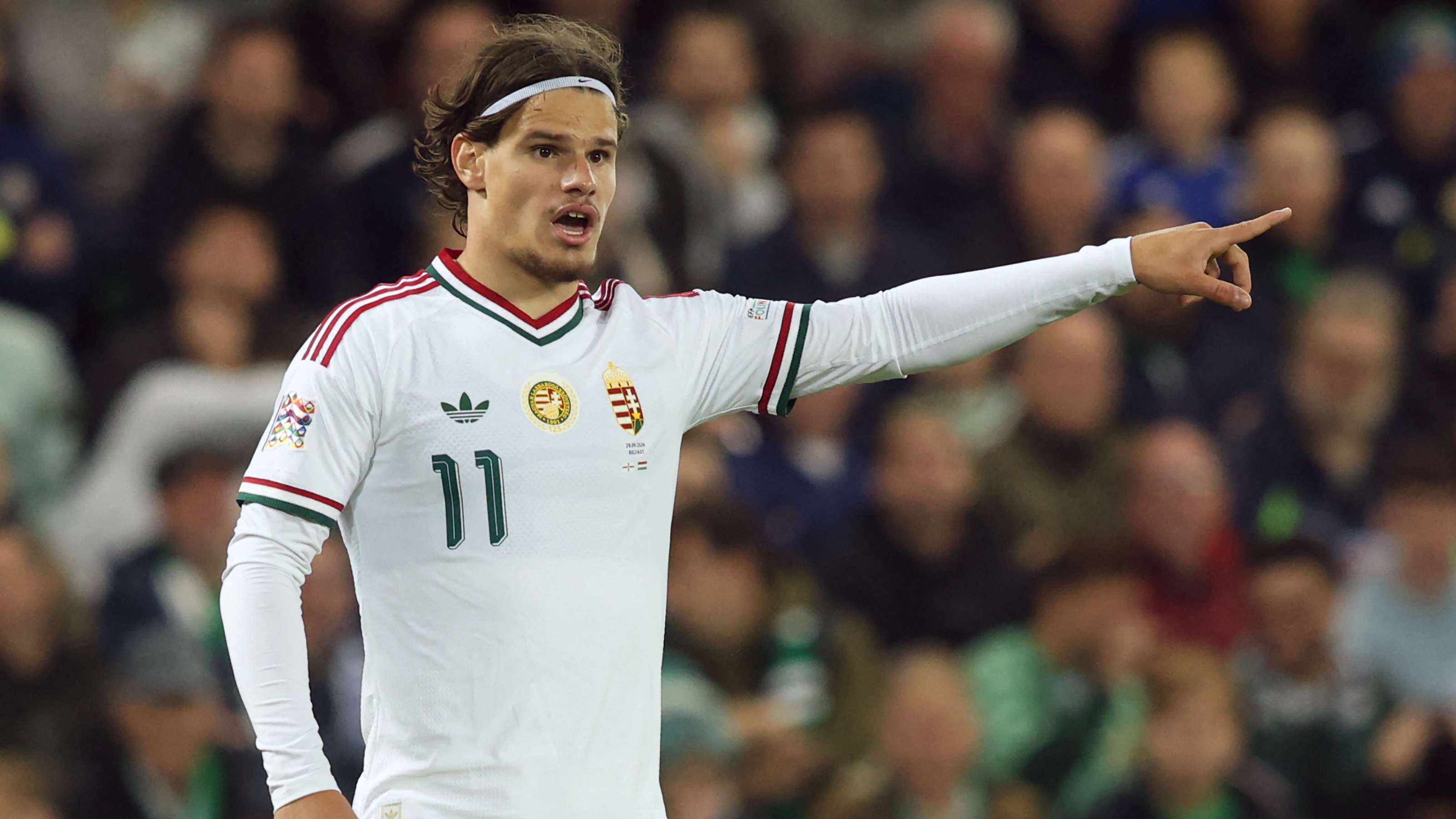
In an unexpected twist that has caught the attention of football fans and political observers alike, Liverpool defender Milos Kerkez has found himself at the center of a growing political scandal. The Hungary international, known for his impressive performances on the pitch, has been publicly accused of being an ‘enemy of Ukraine’ after his name appeared on a controversial database associated with political conflicts related to the ongoing Ukraine crisis.
The Background of the Controversy
The controversy erupted following a recent Nations League fixture, where Kerkez, then playing for his national team, was involved in a heated exchange during the match. Reports suggest that what started as a tense moment on the field quickly spiraled into broader political implications. The incident was reportedly amplified by social media and political groups aligned with Ukraine, who subsequently compiled lists of individuals they deemed as adversaries, including athletes, officials, and other public figures.
Kerkez, along with his father—who is also linked to the player—was included on this list, sparking widespread media coverage and social media debates. The inclusion of a professional footballer on such a politically sensitive list raises questions about the intersection of sports, politics, and international conflicts, especially as football often acts as a platform for diplomatic expression or, unfortunately, political controversy.
Who Is Milos Kerkez? A Rising Star in Football
Milos Kerkez, born in Hungary to a Serbian father and Hungarian mother, is considered one of the most promising young defenders in European football. His career began at a young age, and he quickly made a name for himself as a reliable, technically skilled left-back. His performances for clubs and country have earned him widespread recognition, with many pundits predicting a bright future in the sport.
Kerkez’s playing style is characterized by his strong defensive skills combined with an ability to contribute to offensive plays—a trait highly valued in modern football. His recent transfer to Liverpool, one of Europe’s most storied clubs, marked a significant milestone in his career, elevating his profile further and making him a target of international attention, both sportive and political.
The Political Tensions and the ‘Enemies of Ukraine’ List
The list on which Kerkez and his father appear has ignited a firestorm of controversy. It was reportedly compiled by Ukrainian political groups and media outlets sympathetic to Ukraine’s cause, aiming to identify individuals they perceive as opposing their national interests. Such lists have historically been used for political pressure, social ostracization, or worse, which raises serious concerns about the safety and reputation of those included.
In Kerkez’s case, the incident on the pitch appears to have been interpreted through a political lens, with some claiming that his actions or comments during the match were perceived as anti-Ukrainian or supportive of Russia, although no concrete evidence has been publicly presented to support these claims. The inclusion on this list is viewed by many as an overreach, highlighting how sports can sometimes become entangled in geopolitical conflicts.
Football and Politics: A Complex Relationship
This incident underscores the complex relationship between football and politics. Historically, football has served as a battleground for political expression—whether through players taking political stances, fans voicing nationalistic sentiments, or athletes being caught in international conflicts. In recent years, the sport has been used both as a tool for diplomacy and a platform for protest.
However, the case of Milos Kerkez demonstrates the darker side of this intersection—where sports figures risk being embroiled in political disputes that threaten their reputation and safety. As the global football community reacts, many argue that athletes should be judged solely on their sporting merit and character, not political allegiances or conflicts.
The Response from the Football Community
The football community, including clubs, associations, and fans, has responded with a mixture of support and concern. Liverpool, Kerkez’s club, issued a statement emphasizing their stance on player safety and the importance of focusing on sportsmanship and professionalism. Several football pundits have highlighted the importance of separating political conflicts from sporting achievements, advocating for the protection of players from political persecution.
Meanwhile, international organizations such as FIFA and UEFA have reiterated their commitment to maintaining politics-free zones within the sport, though critics argue that such incidents reveal the challenges of enforcing neutrality, especially in politically charged regions.
Implications for Football Prediction and International Competitions
The controversy surrounding Milos Kerkez has wider implications for football prediction and the organization of international competitions. As political tensions spill into the sporting arena, they can influence team dynamics, player mental health, and even the outcome of matches. Coaches and analysts are increasingly aware that external factors can impact team performance, making comprehensive prediction models more complex.
Furthermore, incidents like this highlight the importance of safeguarding players’ rights and ensuring that football remains a unifying force rather than a battleground for political disputes. For fans and bettors interested in football prediction, understanding the broader socio-political context can add a layer of nuance to predictions, especially when players are embroiled in controversy.
The Future of Milos Kerkez and the Broader Impact
Looking ahead, Milos Kerkez’s career may be shaped by how he and the football community navigate this politically charged situation. While some may see this as a temporary controversy, others fear it could have lasting repercussions, affecting his mental well-being and reputation on the international stage.
The incident also serves as a reminder of the importance of sports diplomacy and the need for football governing bodies to better protect players from political exploitation. As the sport continues to grow globally, maintaining its core values of unity, fair play, and respect remains paramount.
Conclusion: Protecting The Spirit of Football in a Politically Divided World
In an era where football increasingly intersects with global politics, incidents like the one involving Milos Kerkez highlight both the challenges and opportunities facing the sport. While political controversies can threaten the integrity of football prediction models and the safety of players, they also underscore the need for clear boundaries and stronger protections for athletes.
As fans and stakeholders worldwide watch closely, the hope is that football can continue to serve as a unifying force—transcending political conflicts and emphasizing the sport’s universal appeal. For now, Milos Kerkez’s experience is a stark reminder of the delicate balance between sport and politics, and the ongoing effort to keep football a game for all, free from political strife.