
Dietmar Hamann Questions Harry Kane’s Role After Bayern Munich’s Draw With Arsenal
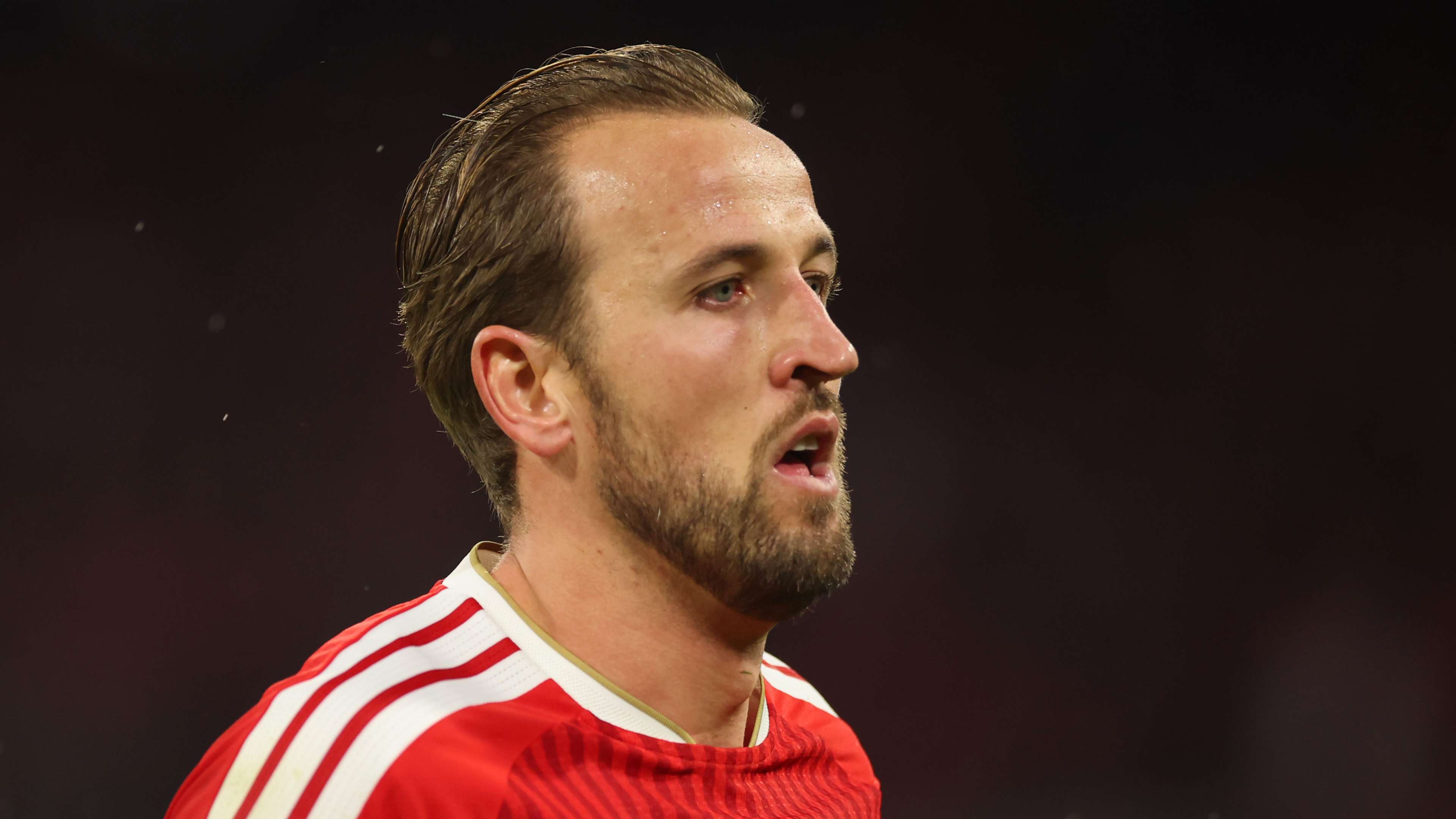
Harry Kane delivered a decisive contribution in Bayern Munich’s 2-2 Champions League draw with Arsenal, scoring a penalty and producing the pass that helped set up Alphonso Davies’ equaliser. Yet the England captain’s influence was not limited to the attacking third. Kane regularly dropped deep to help build play, a tactical habit that has prompted questions from former Bayern midfielder Dietmar Hamann and coach Jürgen Klopp.
Hamann believes Kane’s willingness to move across the pitch can be valuable, but warns that it may also leave Bayern without a consistent presence near the opposition goal. The debate highlights a central question for Vincent Kompany’s side: how should Bayern balance Kane’s creativity and link-up play with the penalty-box threat that makes him one of football’s most prolific strikers?
Hamann: Kane Is Doing More Than a Striker’s Job
Writing for Sky after the Arsenal match, Hamann responded to Klopp’s half-time comments about Kane’s positioning. Klopp had remarked that he had not fully worked out the striker’s role, particularly after seeing him operate deep in Bayern’s half and join the midfield press.
Hamann said the issue was not new. In his view, Kane often takes on responsibilities that extend beyond those normally expected of a centre-forward. He also recalled Kompany saying the previous year that he would like to see Kane spend more time inside the opposition penalty area.
That observation does not necessarily mean Kane is being used poorly. Modern forwards are often asked to drop between the lines, draw defenders out of position and help their team progress the ball. Kane is especially effective in those areas: his passing range allows him to find runners, while his awareness can help Bayern escape pressure and launch attacks.
But Hamann’s concern is about what Bayern may lose when their leading striker moves away from the danger zone. If Kane is helping in midfield or even defending close to his own half, there may be fewer players occupying Arsenal’s centre-backs. That can make it harder to sustain pressure, attack crosses and turn possession into clear chances.
Kane’s Performance Against Arsenal Shows Both Sides of the Debate
The match itself offered strong evidence of Kane’s value. He converted from the penalty spot and then played an excellent pass that helped create Davies’ temporary equaliser. His overall contribution earned him the Man of the Match award, underlining how influential he was even when he was not stationed permanently in the box.
Kane’s movement also showed why Bayern frequently rely on him to connect different phases of play. When Arsenal pressed aggressively, his ability to receive the ball under pressure and distribute it quickly gave Bayern another route out of their own half. He even took a goal kick during the contest, a striking example of how much responsibility he carried.
However, a strong individual performance does not settle the wider tactical question. Hamann argued that a team can lack attacking presence if its main striker spends too much time away from the front line. He pointed to the possibility that Bayern’s forward players were not consistently positioned high enough to keep Arsenal’s defence occupied.
The challenge for Kompany is therefore not simply to tell Kane to stay forward. A more nuanced approach could allow the striker to drop deep selectively, while another attacker makes runs beyond him. That rotation would preserve Kane’s playmaking strengths while ensuring Bayern still have a target in the box. The success of such a plan may depend on the timing of runs, the positioning of the wingers and the team’s ability to move forward quickly after beating the press.
Michael Olise’s Absence Was a Significant Factor
Hamann also highlighted the absence of Michael Olise, who was suspended for the match. He believes the winger’s ability to hold onto the ball under pressure is particularly important against opponents such as Arsenal, who press with intensity and try to force mistakes in dangerous areas.
According to Hamann, Olise can escape pressure even when two opponents close him down, creating space for a teammate elsewhere. That quality gives Bayern an outlet and can prevent Kane from having to drop as deep to help the team progress the ball. With Olise unavailable, Bayern lost a player capable of carrying possession through difficult situations and creating attacking opportunities from wide areas.
His absence may therefore have influenced the way Bayern’s attack functioned. When a key ball-carrier is missing, the centre-forward may be asked to contribute more in build-up play. Kane’s deeper positioning could be viewed not only as a personal preference or tactical instruction, but also as a response to the options available around him.
Bayern’s Champions League Position Adds Pressure
The draw left Bayern with five points from three matches in the Champions League league phase, placing them 14th in the table at that stage of the campaign. Their next challenge is a difficult away fixture against Atletico Madrid, where both their defensive organisation and attacking balance will be tested.
Hamann is doubtful that Bayern will finish among the top eight teams, the positions that secure direct qualification for the last 16. He noted that reaching the top eight offers a substantial advantage, including avoiding the additional knockout play-off and gaining home advantage in the second leg of the round of 16.
His prediction is a warning rather than a certainty. The league phase is demanding, and results elsewhere can quickly change the standings. Still, Bayern will need to turn competitive performances into wins if they are to avoid a more complicated route through the competition.
What the Kane Debate Means for Bayern’s Season
The discussion around Kane reflects a broader tactical puzzle facing elite clubs. A striker who drops deep can help control possession and create chances, but the team must compensate with movement from other attackers. If Bayern can coordinate those runs and restore the ball-carrying options they lacked against Arsenal, Kane’s roaming could become an advantage rather than a weakness.
For now, the match offered reasons for both optimism and concern. Kane showed his quality as a scorer and creator, while Bayern demonstrated they could compete with one of Europe’s strongest sides. But Hamann’s criticism raises a question Kompany may need to answer in the coming weeks: can Bayern make the most of Kane’s all-round football without sacrificing the penalty-area presence required to win major Champions League matches?