
Judit Polgar Hosts Spectacular 12th Annual Global Chess Festival in Budapest: Celebrating Critical Thinking and Community Engagement
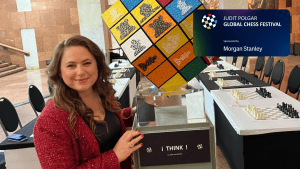
On September 26, 2026, Budapest’s Hungarian National Gallery became the vibrant epicenter of chess innovation and cultural celebration as legendary Grandmaster Judit Polgar hosted the 12th edition of her renowned annual event, the Judit Polgar Global Chess Festival. An event that seamlessly blended high-level chess competition, community involvement, and educational activities, this year’s festival underscored the importance of critical thinking—a vital skill in today’s fast-paced, information-rich world.
A Celebrated Tradition Reinvented: The 12th Edition of the Global Chess Festival
Since its inception, the Judit Polgar Global Chess Festival has grown into a worldwide phenomenon, attracting chess enthusiasts, aspiring players, thought leaders, and cultural icons alike. This year’s event was no exception, drawing considerable local support and international attention. Sponsored by Morgan Stanley, the global financial services leader, the festival’s theme, “Critical Thinking”, reflected the game’s enduring capacity to develop analytical skills, strategic planning, and mental agility.
Set against the historic backdrop of the Hungarian National Gallery, the festival offered a rich tapestry of activities designed to promote chess as both an art and a science. From intense competitive displays to engaging community outreach programs, the event aimed to demonstrate how chess can serve as a catalyst for education, innovation, and social cohesion.
High-Profile Participation and Notable Moments
The festival’s highlight was undoubtedly Judit Polgar’s simultaneous exhibition, where she faced off against five different community teams, each representing various local and international groups. Despite facing tougher resistance compared to previous years—when she easily dominated—the event showcased her resilience and adaptability as a chess grandmaster.
Judit played with a commanding sense of purpose, ultimately scoring 3.5 points out of 5, with three wins, one draw, and a single loss. Her performance was streamed live to a global audience, capturing the imagination of viewers worldwide. The event demonstrated how even the world’s strongest players encounter challenges, emphasizing the importance of strategic flexibility and critical thinking in chess.
A Splash of Inspiration: The First Move by Ernő Rubik
Adding a layer of cultural significance, the legendary Ernő Rubik, inventor of the iconic Rubik’s Cube, made the ceremonial first move of the simul, symbolizing the festival’s commitment to innovation and problem-solving. Rubik’s presence underscored the interconnectedness of puzzles, creativity, and critical thinking—a core theme resonating throughout the festival.
Rubik also presided over a unique RubikChess Tournament, an inventive fusion of chess and Rubik’s Cube solving. Teams of two, comprising one chess player and one Rubik’s Cube solver, competed in a rapid-paced Swiss format, with each team allotted 10 minutes per round. This innovative format highlighted how different cognitive skills—spatial reasoning, pattern recognition, and strategic planning—can come together to enhance problem-solving abilities.
Showcasing Chess Excellence: A Day of Intense Competition and Community Bonds
The festival kicked off with a memorable blindfold game between Judit Polgar and Grandmaster Antal, a notable Hungarian player. The game ended in a draw, exemplifying the mental stamina required for high-level chess. Spectators, including Judit’s sister Sofia Polgar, provided commentary, enriching the experience for live and online audiences.
In addition, the festival celebrated familial and generational bonds through the Master Relay Simul. Sofia Polgar, a renowned International Master, joined Judit and other grandmasters in a relay format where they took turns continuing each other’s games—a compelling demonstration of collaborative thinking and collective strategy.
Engaging the Global Community: Interactive Simul Against International Teams
Perhaps the most captivating aspect was Judit’s Community Simul, where she played against five teams representing different communities worldwide. Each team was supported remotely through platforms like Twitch, with members offering move suggestions, analysis, and encouragement throughout the game.
The teams ranged from local clubs to international groups, each bringing their unique flavor to the competition. The team “Pietro Chess,” representing a vibrant online community, delivered the festival’s only upset, defeating Judit in a closely contested game. Pietro Checkmate, ecstatic to play against the legendary GM, expressed his excitement with visible enthusiasm, showcasing how chess fosters community spirit regardless of skill level.
An intriguing twist came from a remote board hosted by Chess.com, featuring WCM (Woman Candidate Master) Sayce from Australia. Despite expecting a tough challenge, she managed to hold Judit to a draw, demonstrating the unpredictable nature of chess and the importance of critical thinking under pressure.
Celebrating Diversity and Inclusion in Chess
The festival proudly showcased international talent, including WCM Prado from Bolivia, now based in France, and content creators like Sadistic Tushi, who added a humorous and educational flavor to the event. Their participation underscored the accessibility of chess as a global language that bridges cultures, languages, and generations.
Additionally, the “Hungarian Stars” team, composed of eminent thinkers led by renowned neuroscientist Professor Szilveszter E. Vizi, demonstrated that chess is not only a game of moves but also a tool for stimulating minds. Their strategic play, which initially held an advantage, ultimately highlighted Judit’s creative sacrifices—most notably 38.b5!—leading to a winning rook infiltration and a masterful demonstration of tactical ingenuity.
Beyond the Board: The Legacy and Future of the Global Chess Festival
All games from the simultaneous exhibition are available for review, providing aspiring players and seasoned enthusiasts alike a valuable learning resource. The event’s aftermovie, shared widely on social media, encapsulates its vibrant energy and the enduring appeal of chess in fostering critical thinking, problem-solving, and cultural dialogue.
Judit Polgar’s vision for the festival emphasizes chess as a powerful educational tool. By integrating activities that challenge participants’ reasoning skills, the festival promotes chess as more than just a game—it’s a pathway to developing future innovators, leaders, and critical thinkers.
Looking Ahead: The Ongoing Impact of the Judit Polgar Global Chess Festival
As the world continues to navigate complexities and uncertainties, the role of critical thinking becomes increasingly vital. The Judit Polgar Global Chess Festival exemplifies how chess can serve as an effective platform for nurturing these skills. With each edition, Polgar’s initiative reinforces the idea that chess is a universal language of intellect, creativity, and community.
Stay tuned for next year’s festival, where new challenges, innovations, and stories will unfold, further enriching the global chess landscape and inspiring generations to think critically, play passionately, and connect through the timeless game of chess.
Discover More: Rewatch the Exciting Games and Highlights
The entire simul and key moments from the 2026 festival are accessible online. You can relive the excitement on Chess.com’s official channels, explore the games, and gain insights into advanced strategies demonstrated by some of the world’s top players. Whether you’re a beginner or an expert, the Judit Polgar Global Chess Festival remains a beacon of inspiration for anyone passionate about chess and its transformative power.
Join us next year as we continue to celebrate the game that sharpens minds, bridges cultures, and fosters critical thinking across the globe. Chess isn’t just a game—it’s a movement for the mind.