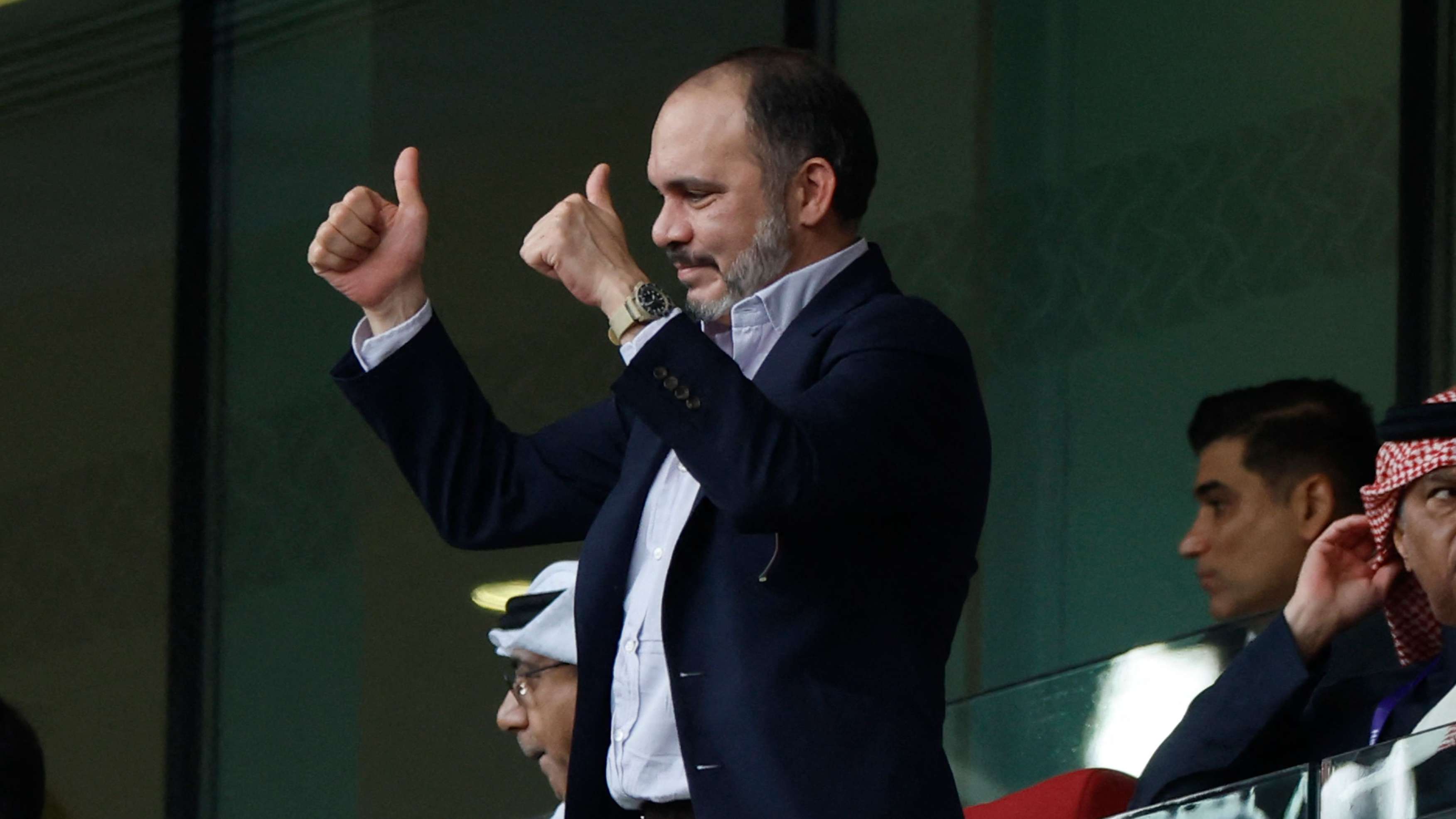

Prince Ali bin Al-Hussein Calls for Transparency in FIFA Election Process
Prince Ali bin Al-Hussein, the president of the Jordan Football Association, has made a bold and significant request to FIFA, urging for an end to the secret ballot in elections for the FIFA presidency. This move comes amidst a wave of controversy surrounding the world football governing body and its current president, Gianni Infantino.
Recently, FIFA faced backlash over a proposal to sell a share of World Cup rights to private investment funds, prompting UEFA to threaten a boycott of FIFA tournaments. Only after intense pressure did FIFA backtrack on the plan. In response to these challenges, Prince Ali bin Al-Hussein took to the platform X to express his concerns about the crisis of leadership facing world football.
Transparency in FIFA Elections
Prince Ali emphasized the need for transparency in the election process for the FIFA presidency, calling for an end to the secret ballot. He argued that while decisions like selecting the host country for the World Cup are made openly, the election of the FIFA president remains shrouded in secrecy.
According to Prince Ali, an open vote is essential to holding the presidents of member associations accountable to football supporters, officials, and players. He believes that transparency in the election process will prevent undue pressure on member associations to make decisions behind closed doors.
Empowering Member Associations
Prince Ali highlighted the importance of giving every member association a voice in the election of the FIFA president, who plays a crucial role in shaping the future of the world’s most popular sport. He stressed that an open voting system would allow for greater influence and participation in this important decision.
Notably, Prince Ali bin Al-Hussein is no stranger to the FIFA presidency. Having stood for election more than once, he brings a wealth of experience and insight to the current debate on leadership and transparency within FIFA.
Looking Ahead
As the football community grapples with issues of governance and accountability, Prince Ali’s call for transparency in FIFA elections has sparked a crucial conversation about the future of the sport. By advocating for an open and accountable voting process, he aims to ensure that the leadership of world football reflects the values and aspirations of its diverse stakeholders.
With the upcoming FIFA elections on the horizon, all eyes will be on the organization as it navigates these challenging times. Will Prince Ali bin Al-Hussein’s plea for transparency be heeded, or will FIFA continue to operate under a cloud of secrecy? Only time will tell.
Keywords: football, prediction, FIFA, Prince Ali bin Al-Hussein, transparency, election, leadership, governance, accountability, World Cup.
Challenges Facing FIFA
It is no secret that FIFA has faced numerous challenges over the years, from corruption scandals to allegations of misconduct. The organization has been under scrutiny for its lack of transparency and accountability, leading to calls for reform from within and outside the football community. Prince Ali bin Al-Hussein’s advocacy for transparency in the election process is just one example of the ongoing efforts to address these issues and restore trust in FIFA’s governance.
The Role of the FIFA President
The FIFA president holds a position of immense influence within the world of football, with the power to shape policies, make key decisions, and represent the organization on the global stage. As such, the election of the FIFA president is a critical moment that can have far-reaching implications for the future of the sport. By pushing for greater transparency in this process, Prince Ali is seeking to ensure that the individual chosen to lead FIFA is accountable to the stakeholders who rely on the organization for fair and ethical governance.
The Impact of Transparency
Transparency in the election process can have a ripple effect throughout the football community, empowering member associations and fans to hold their leaders to a higher standard. By making the voting process open and accountable, FIFA can demonstrate its commitment to integrity and fairness, setting a positive example for other sports organizations to follow. Prince Ali’s call for transparency is not just about the FIFA presidency but about upholding the core values of the sport and promoting good governance at all levels.
Building Trust and Confidence
In a climate where trust in institutions is increasingly fragile, transparency is key to rebuilding confidence in FIFA and the broader football ecosystem. By embracing openness and accountability, FIFA can show that it is committed to serving the best interests of the game and its stakeholders. Prince Ali’s advocacy for a more transparent election process is a step in the right direction towards fostering trust and credibility in the leadership of world football.
The Future of FIFA
As FIFA prepares for its upcoming elections, the debate over transparency and governance will continue to shape the organization’s trajectory. The outcome of these elections will not only determine who leads FIFA but also how the organization is perceived by the global football community. By championing transparency and accountability, Prince Ali bin Al-Hussein is advocating for a more inclusive and democratic approach to leadership that reflects the values of fairness, integrity, and respect for the game.
In conclusion, Prince Ali’s call for transparency in FIFA elections is a timely reminder of the importance of good governance in sports organizations. By promoting openness and accountability, FIFA can pave the way for a brighter and more sustainable future for football, where integrity and ethics are upheld at every level of the game.