
Borussia Dortmund Let Two-Goal Lead Slip in Dramatic 2-2 Draw With Werder Bremen
Borussia Dortmund appeared to have secured a hard-fought Bundesliga victory after scoring twice in the closing stages against Werder Bremen. Instead, Niko Kovac’s side endured a stunning late collapse, conceding twice in the final minutes to settle for a 2-2 draw at Signal Iduna Park.
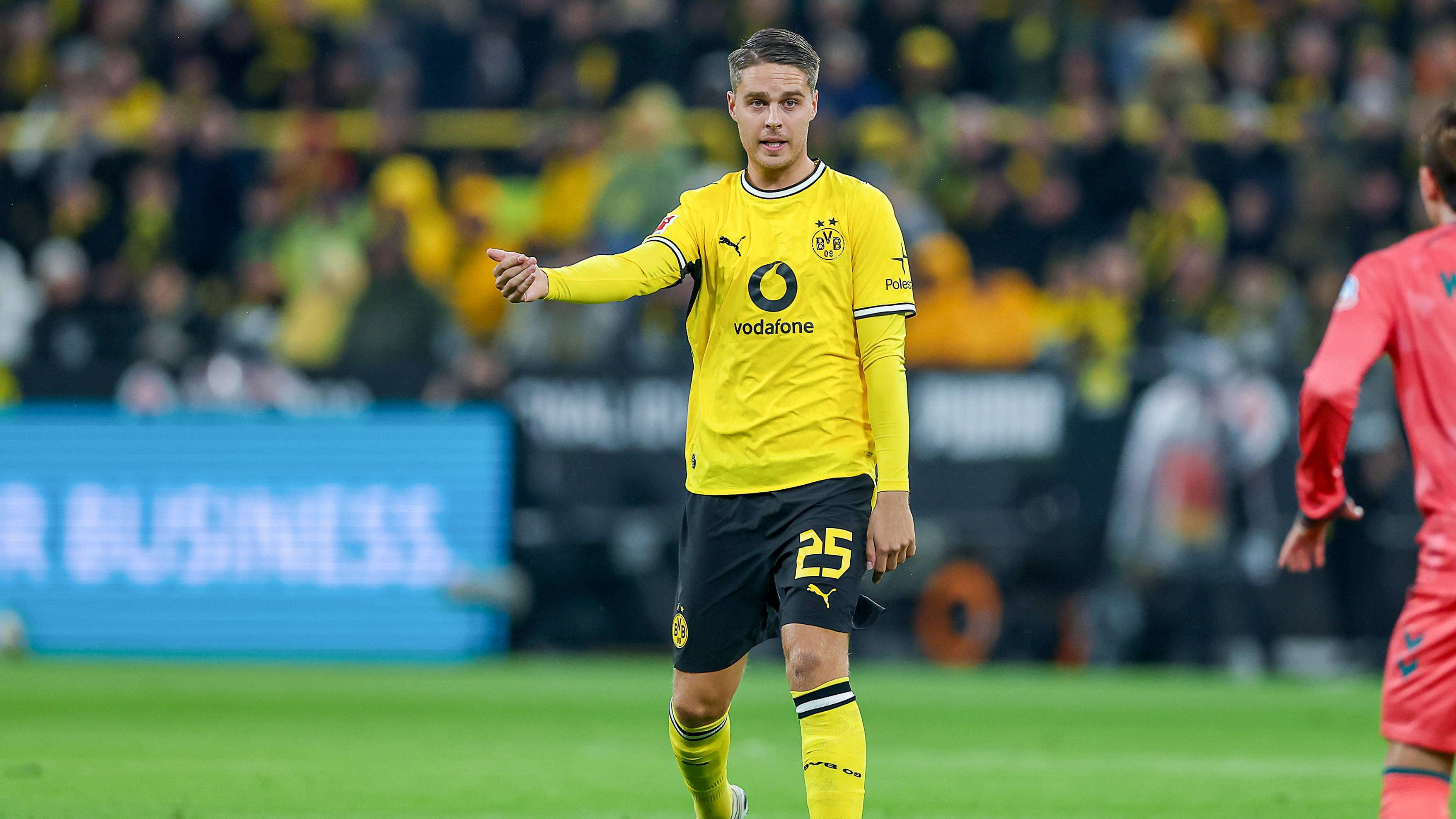
Substitute Joey Veerman initially looked like Dortmund’s unlikely match-winner, setting up Nico Schlotterbeck for the hosts’ second goal with his first Bundesliga assist. But the Dutch midfielder later gave away a dangerous free-kick, allowing Niclas Füllkrug to head Bremen’s equaliser deep into stoppage time. The result left Dortmund with plenty to reflect on: their attacking persistence had finally been rewarded, only for defensive lapses and a costly foul to undo the work.
A Cagey First Half at Signal Iduna Park
Clear-cut chances were scarce during the opening half, as both teams struggled to find space in the final third. Dortmund controlled periods of possession but found Bremen difficult to break down, with the visitors’ defensive structure limiting the home side’s opportunities.
The stadium came to life shortly before the interval when Marcel Sabitzer’s free-kick struck the crossbar. It was Dortmund’s most promising moment of the half, and the rebound briefly offered another opening. Bremen goalkeeper Karl Hein reacted quickly, however, denying Maximilian Beier from close range to keep the score level.
Hein’s intervention proved an early sign of the challenge Dortmund would face. The goalkeeper remained composed under pressure after the restart, repeatedly frustrating the hosts as they pushed for a breakthrough.
Hein Keeps Dortmund at Bay After the Break
Dortmund increased the tempo in the second half and created a series of better chances. Hein made important saves to keep out efforts from Serhou Guirassy, Schlotterbeck and Ethan Nwaneri, ensuring Bremen stayed in the contest despite sustained pressure.
The visitors also carried a threat on the counterattack. Füllkrug, who previously played for Dortmund, came close to scoring against his former club, but Gregor Kobel stretched out a leg to block his attempt. That save kept the home side level and set up a tense finish in which both teams would eventually find the net.
Veerman entered the game with around 20 minutes remaining, replacing Jobe Bellingham. The Netherlands international joined a Dortmund side searching for a decisive moment, while Bremen relied on Dutch midfielders Youri Regeer and Ludovit Reis to help protect their defence and disrupt the hosts’ rhythm.
Dortmund Finally Break Through
The deadlock was broken with ten minutes remaining. Substitute Konstantinos Karetsas threaded a well-weighted pass into Guirassy’s path, and the striker moved the ball across the area towards former PSV forward Fábio Silva. Silva’s attempt lacked power and precision, but Daniel Svensson was perfectly placed to redirect it into the net.
The goal appeared to release the tension inside Signal Iduna Park. Dortmund had spent much of the match searching for a way through, and the late opener seemed to put them on course for a valuable home win. Bremen now had to take greater risks, leaving more space for the hosts to exploit.
Dortmund soon made that space count. Veerman delivered a corner towards the far post, where Schlotterbeck rose to meet it with a header and double the lead. For Veerman, it was a personal milestone: his first assist in the Bundesliga. At 2-0, the hosts looked to have done enough to close out the match.
Werder Bremen Stage a Remarkable Late Comeback
Bremen refused to accept defeat. Dortmund’s defensive shape loosened after the second goal, and the visitors found an opening when Reis was given too much room. The Haarlem-born midfielder took advantage, driving a powerful finish into the net off the inside of the post to reduce the deficit and give Bremen renewed belief.
With six minutes added, the closing moments became increasingly tense. Dortmund needed to manage possession and avoid giving Bremen a chance to deliver into the box. Instead, Veerman committed a late challenge on Mitchell Weiser in a dangerous area, roughly 23 metres from goal. The foul brought a yellow card and handed Bremen one final opportunity.
Marco Grüll sent the free-kick into the area, where Füllkrug found himself unmarked. The striker rose above the defence and headed the ball home, celebrating passionately against his former club as Bremen completed an extraordinary comeback. A match that seemed settled moments earlier had ended in a 2-2 draw.
What the Result Means for Dortmund
The draw highlighted both Dortmund’s attacking resilience and the risks of switching off late in a football match. Their patience eventually produced two goals, and Veerman’s delivery helped create what looked like a decisive advantage. But Bremen’s response showed how quickly a comfortable position can disappear when a team loses defensive discipline.
For Kovac, the most immediate concern will be how his side managed the final stretch. Dortmund had the lead, the home crowd behind them and little time remaining, yet they allowed Reis space to shoot before conceding from a set piece. The late free-kick was particularly costly because it gave Bremen a direct route back into the game.
Bremen, meanwhile, can take confidence from their persistence. Hein’s first-half and second-half saves kept the score within reach, while Reis and Füllkrug supplied the goals when the visitors needed them most. Their late fightback turned a likely defeat into a valuable point and will stand out as one of the match’s defining stories.
Match Prediction and Key Takeaway
Any pre-match prediction built around Dortmund’s home advantage would have favoured the hosts, especially after they moved two goals clear. But the final score underlined why football predictions must account for more than possession, chances and momentum: concentration, substitutions and set-piece execution can reshape a result in seconds.
Dortmund will view the 2-2 draw as two points dropped, while Bremen can celebrate a comeback earned through persistence and opportunism. The match also offered a clear lesson for both sides: a lead is not secure until the final whistle, and even a single late foul can change the outcome.