
Gamal Abdelhamid Questions VAR After Cairo Derby Controversy
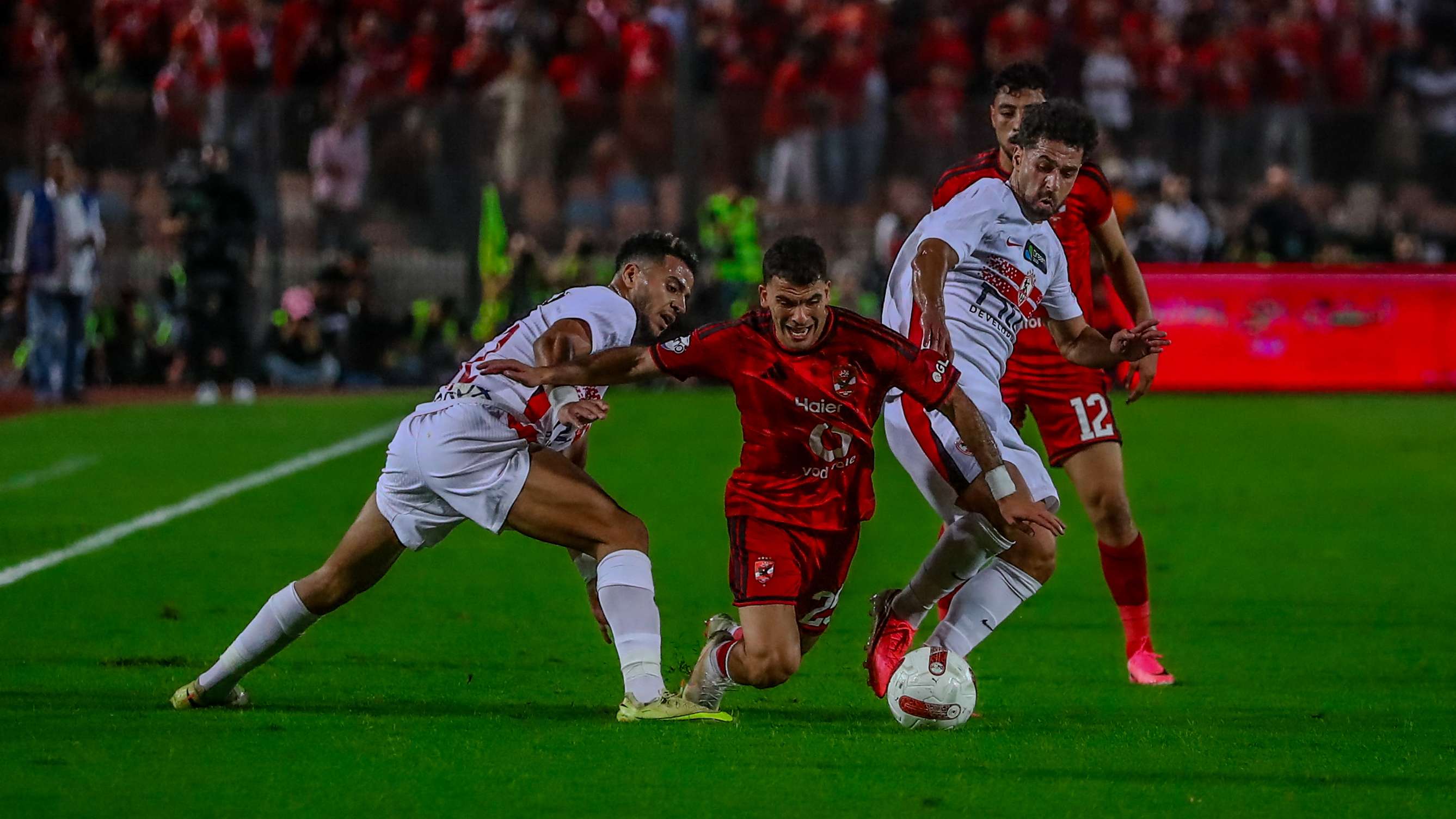
Former Zamalek captain Gamal Abdelhamid has reignited debate over the latest Cairo derby, claiming that the Video Assistant Referee (VAR) system was not working properly during the match and arguing that his former club should have received a penalty. His comments have added fresh tension to a fixture already defined by intense rivalry, passionate supporters and close scrutiny of refereeing decisions.
Speaking on Al-Defender on Al-Shams channel, Abdelhamid criticised the way the match was officiated and questioned whether football’s laws are applied consistently in Egypt. He compared local refereeing standards with those in Europe, saying the difference in how incidents are interpreted can leave fans and clubs feeling that the same rules do not always apply to everyone.
Abdelhamid’s claim about the VAR system
The most striking part of Abdelhamid’s account was his assertion that VAR had broken down during the derby. If accurate, the claim would raise important questions about the technology’s availability, the match officials’ ability to review key incidents and the procedures followed when video assistance is unavailable.
However, the former Zamalek star’s statement has not, by itself, established that the system failed. An official explanation from the relevant football authorities would be needed to confirm whether VAR experienced a technical problem, whether any disruption affected the referee’s decisions, and how the match was managed if the technology was unavailable. Until such clarification is provided, the allegation remains a claim rather than a confirmed account.
That distinction matters in a high-profile fixture. VAR is intended to help officials review clear and obvious errors in key situations, but it can only do so when the equipment and communication systems are functioning. Clear reporting after a match can help explain what happened, reduce speculation and maintain confidence in the competition’s officiating.
Penalty decision becomes a flashpoint
Abdelhamid also argued that Zamalek deserved a penalty. He pointed to comments attributed to Syrian refereeing analyst Gamal Al-Sherif, who, according to Abdelhamid, supported the view that the White Knights should have been awarded a spot-kick. The former player believes the decision was a significant moment and that Zamalek did not receive the outcome it deserved on the pitch.
Penalty decisions are among the most disputed calls in football because they often depend on the referee’s view of contact, intent and the position of the players involved. Even with video review, similar incidents can be interpreted differently by officials, analysts and supporters. That is why transparent explanations of major decisions can be valuable, particularly after a derby where a single call may shape the result and dominate discussion long after the final whistle.
Abdelhamid was also sharply critical of people who defended the referee. He suggested that some supporters of the official’s performance were connected either to Al Ahly or to the refereeing committee. Those comments reflect the depth of suspicion that can surround controversial calls in Egyptian football, but they are Abdelhamid’s opinion and do not establish that any individual’s judgment was influenced by club loyalty.
“Two sets of laws” in Egyptian and European football
In his interview, Abdelhamid described the derby as evidence of what he sees as two different approaches to refereeing: one in Egypt and another in Europe. His concern was not only about one penalty appeal, but about how football laws are interpreted and enforced in major domestic matches. In his view, decisions can appear to be judged according to the circumstances or allegiances involved rather than a consistent standard.
Consistency is central to trust in any league. Clubs and supporters may disagree over individual calls, but they are more likely to accept difficult decisions when similar incidents receive similar treatment and when officials explain how they reached their conclusions. Refereeing bodies can support that confidence through clear communication, regular training and appropriate post-match reviews of contentious moments.
For Zamalek, the dispute is also tied to the club’s longstanding rivalry with Al Ahly. The Cairo derby carries more than three points: it brings national attention, enormous emotional investment and lasting consequences for the teams’ reputations. That intensity makes careful officiating essential—and makes any perceived inconsistency a major talking point among fans.
Abdelhamid’s message about Al Ahly
Despite his criticism of the match officials, Abdelhamid stressed that he was not trying to diminish Al Ahly’s players or achievements. He acknowledged the club’s strong squad, technical resources and financial backing, arguing that a team with those advantages does not need help from a referee to win matches. His central point, he said, was that Zamalek should receive fair decisions, not that Al Ahly lacks the quality to succeed on its own.
That distinction is important in a rivalry where criticism of officiating can quickly be interpreted as an attack on the opposing team. Abdelhamid framed his remarks as a defence of competitive fairness: the result should be decided by the players’ performance, with referees applying the laws impartially and consistently.
Why the controversy matters for Egyptian football
The argument has renewed calls for clarity around both the penalty appeal and the reported VAR problem. An official account could establish whether the technology was operating, what communication took place between the referee and the VAR team, and whether the incident was reviewed. Without that information, debate is likely to continue, with each side relying on its own interpretation of the match.
For supporters looking ahead to future fixtures, the controversy also offers a reminder that football predictions should consider more than form, squad strength and recent results. Refereeing conditions, player availability, tactical matchups and the pressure of a derby can all influence how a game unfolds. Still, no prediction can settle a disputed call after the fact; only a clear review can address questions about the decision-making process.
Abdelhamid’s closing message was straightforward: the rules should be applied by the same standards to every club. Whether officials agree with his assessment or not, the debate highlights a broader issue for Egyptian football—how to ensure that high-stakes matches are officiated transparently and that supporters can trust the process. Until the VAR allegation and penalty incident receive an authoritative explanation, the Cairo derby’s refereeing will remain under the spotlight.