
English Football Fans Reject FIFA’s Proposal to Restructure World Cup
Introduction:
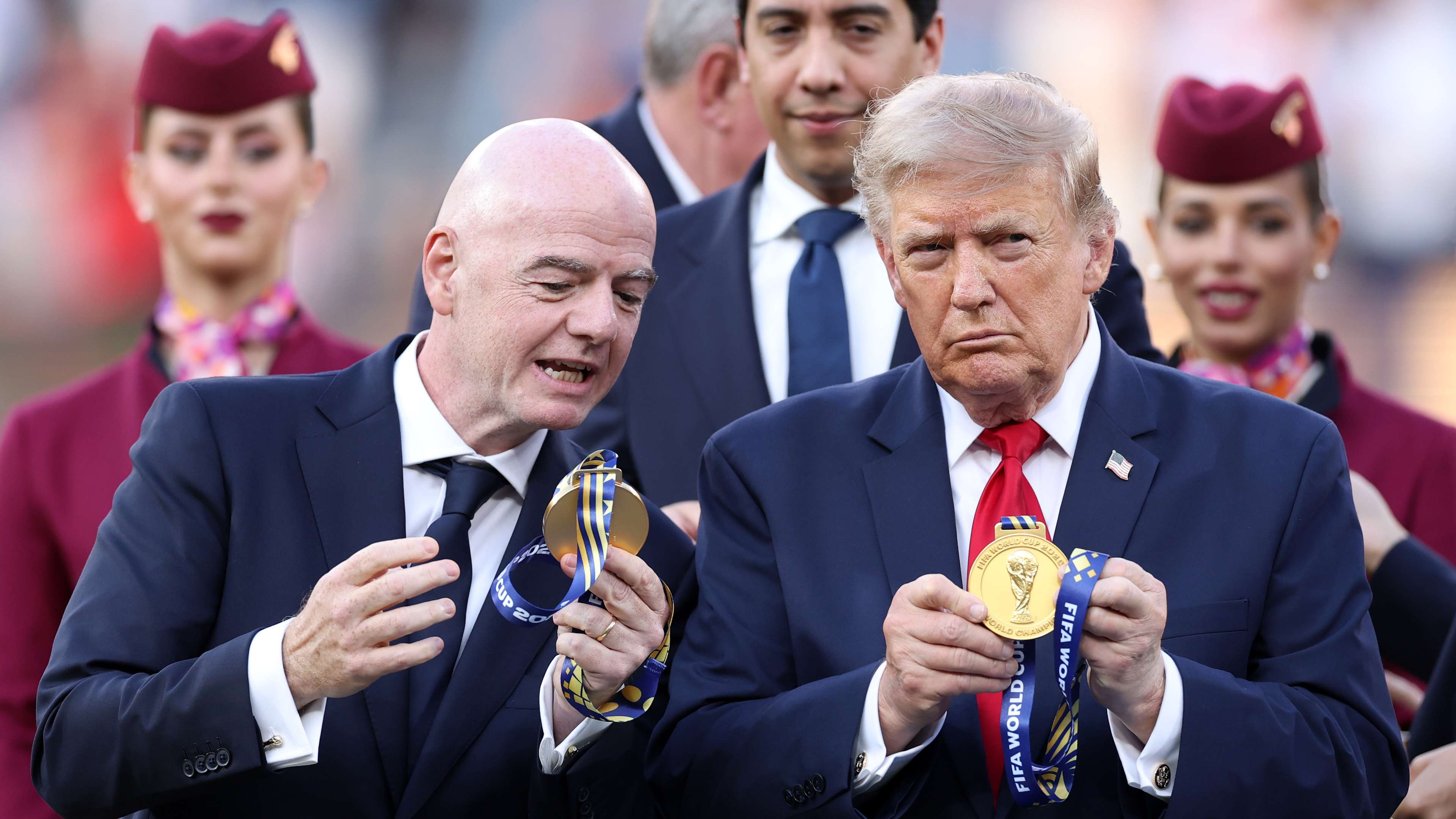
European football fans, particularly those in England, are expressing outrage and frustration over FIFA’s proposal to restructure how it manages its tournaments, including the prestigious World Cup. The proposal, put forth by FIFA president Gianni Infantino, has sparked widespread concerns and calls for action.
UEFA’s Response:
Reports suggest that UEFA is gearing up to convene an emergency meeting to address Infantino’s proposals. At the core of the issue is the creation of a private company, “FIFA Forward Enterprise,” to oversee FIFA’s tournaments. This move has united European football in opposition, with talks of a potential World Cup boycott gaining traction.
Details of FIFA’s Plan:
Under the proposed plan, FIFA aims to establish a company to manage its tournaments, including the men’s and women’s World Cups and the Club World Cup. While FIFA would retain a majority stake, investors could potentially own 20-30% of the company’s shares, promising significant financial gains. Member associations stand to benefit as well, with each receiving a stake worth 15 million pounds and an additional 30 million pounds for early approval of the plan.
Backlash and Criticism:
Infantino’s proposal to hold the World Cup every two years with 64 teams has faced sharp criticism from fans and football figures. The involvement of American businessman Joshua Kushner, linked to the Trump family, has added fuel to the controversy. Critics argue that the proposal prioritizes profit over the integrity of the sport.
Reactions from England Fans:
England supporters, like Simon Harris and Steve Hartshorn, have voiced strong opposition to the plan, labeling it as a money-driven scheme that threatens the essence of the World Cup. They call for UEFA to take a stand against FIFA and protect the integrity of the game.
Concerns of FIFA’s Greed:
Fans, including Manchester City supporter Mike Andrews, accuse FIFA of prioritizing profit over fan experience by allowing a commercial entity to manage the World Cup. Former FA president David Bernstein condemns the proposals as cronyism and corruption, urging England to consider boycotting the tournament if the plan proceeds.
UEFA’s Critique:
UEFA has criticized FIFA’s motives, accusing the governing body of using football for self-enrichment. The lack of transparency and consultation in the proposal has fueled anger within European football, with stakeholders expressing concerns about the future of the sport.
Divided Opinions:
While many European football associations are rallying against FIFA’s plan, there are contrasting views. Czech FA president David Trunda sees potential benefits in the proposals, while CONCACAF and the Asian Football Confederation have voiced their discontent for not being consulted beforehand.
In conclusion, the footballing world is witnessing a significant rift between FIFA’s ambitions for restructuring and the concerns raised by European football stakeholders. As the debate intensifies, the future of the World Cup and football governance hangs in the balance.
Impact on Global Football Landscape:
The repercussions of FIFA’s proposed restructuring extend beyond Europe, with football fans worldwide closely monitoring the unfolding controversy. The potential shift in how FIFA manages its tournaments has sparked debates and discussions across continents, reflecting the global reach and influence of football as a sport.
Historical Context of World Cup Tradition:
The World Cup holds a special place in football history, dating back to its inception in 1930. Over the years, the tournament has evolved into a prestigious event that unites nations and showcases the best football talent on a global stage. Any significant changes to the World Cup format are met with scrutiny, as fans and players alike cherish the traditions and legacy of the competition.
Player Perspectives on Tournament Frequency:
Amidst the discussions on restructuring the World Cup, players’ voices have also emerged, expressing their concerns and preferences regarding the proposed changes. Professional footballers emphasize the physical and mental toll of playing in a World Cup every two years, raising questions about player welfare and the impact on their careers.
Ethical Considerations in Football Governance:
The debate surrounding FIFA’s restructuring plan brings to light broader ethical considerations in football governance. Questions of transparency, accountability, and fair representation arise, underscoring the need for ethical leadership in shaping the future of the sport. Stakeholders emphasize the importance of upholding core values in football administration to safeguard its integrity.
Youth Development and Grassroots Football:
As discussions focus on the commercial aspects of FIFA’s proposal, the impact on youth development and grassroots football initiatives cannot be overlooked. The potential redirection of resources and attention towards elite tournaments may have implications for nurturing young talent and promoting football at the grassroots level, raising concerns about the long-term sustainability of the sport.
Role of Fan Activism in Football Governance:
The vocal opposition from fans, exemplified by England supporters and football enthusiasts worldwide, highlights the power of fan activism in influencing decision-making in football governance. Fan movements and protests play a crucial role in holding football authorities accountable and advocating for the preservation of the sport’s values and traditions.
Collaborative Solutions for Sustainable Football Development:
Amidst the divisions and tensions within the football community, calls for dialogue and collaboration emerge as essential components in charting a sustainable path forward for football development. Engaging in constructive conversations, involving diverse stakeholders, and prioritizing the long-term interests of the sport can pave the way for inclusive and strategic decision-making in football governance.
Looking Ahead: Balancing Innovation and Tradition in Football:
As the debate over FIFA’s restructuring plan continues, the football community faces a critical juncture in balancing innovation with tradition in shaping the future of the sport. Finding common ground between evolving the sport to meet contemporary demands and preserving its rich heritage remains a key challenge for football authorities, stakeholders, and fans alike.
In conclusion, the ongoing controversy surrounding FIFA’s proposed changes to tournament management underscores the complexities and nuances inherent in football governance. Navigating these challenges requires a nuanced approach that reconciles the aspirations for growth and commercial success with the preservation of football’s fundamental values and integrity.