
Barcelona vs Real Betis: VAR Audio Explains Why Lo Celso’s Goal Was Disallowed
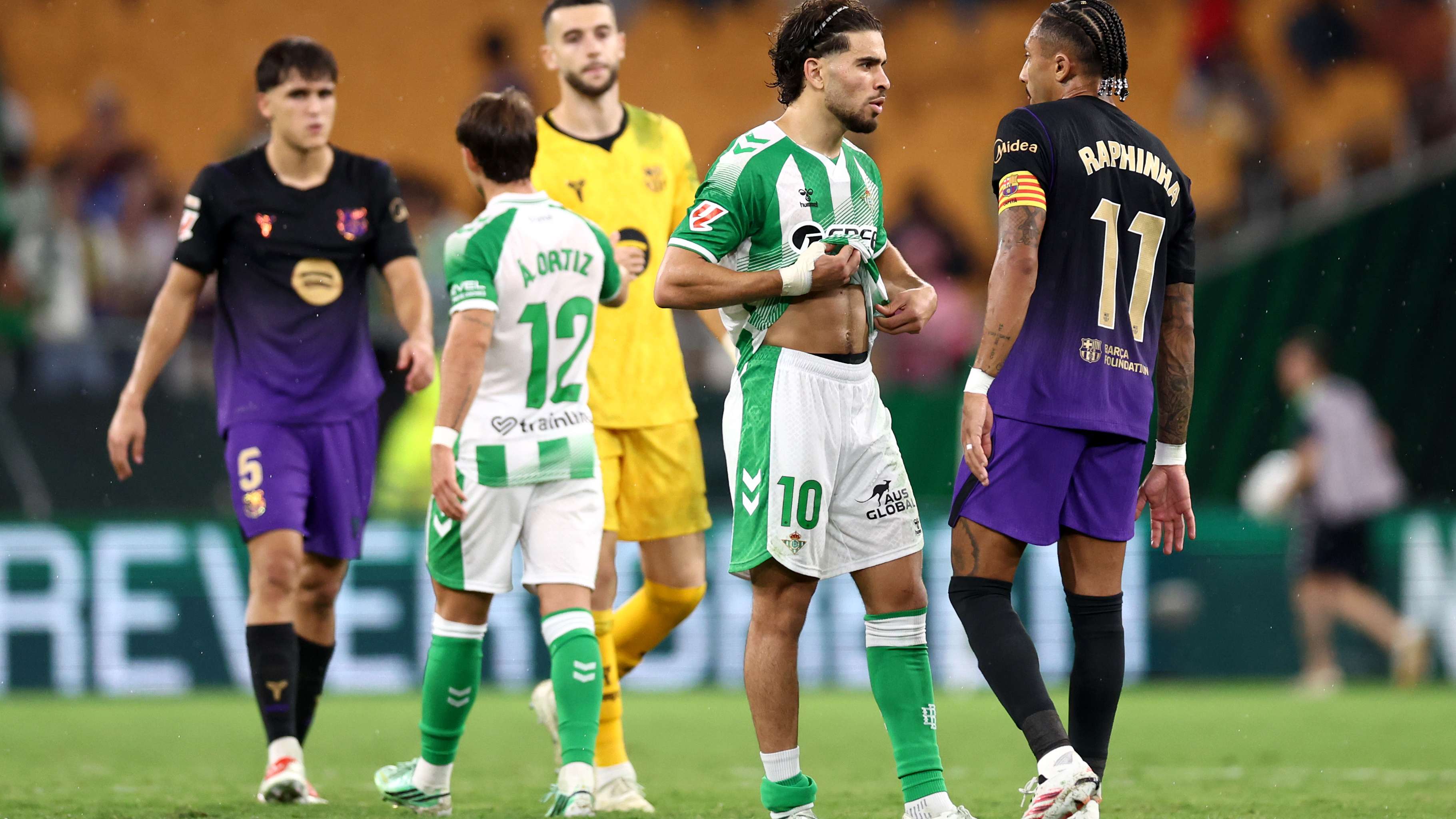
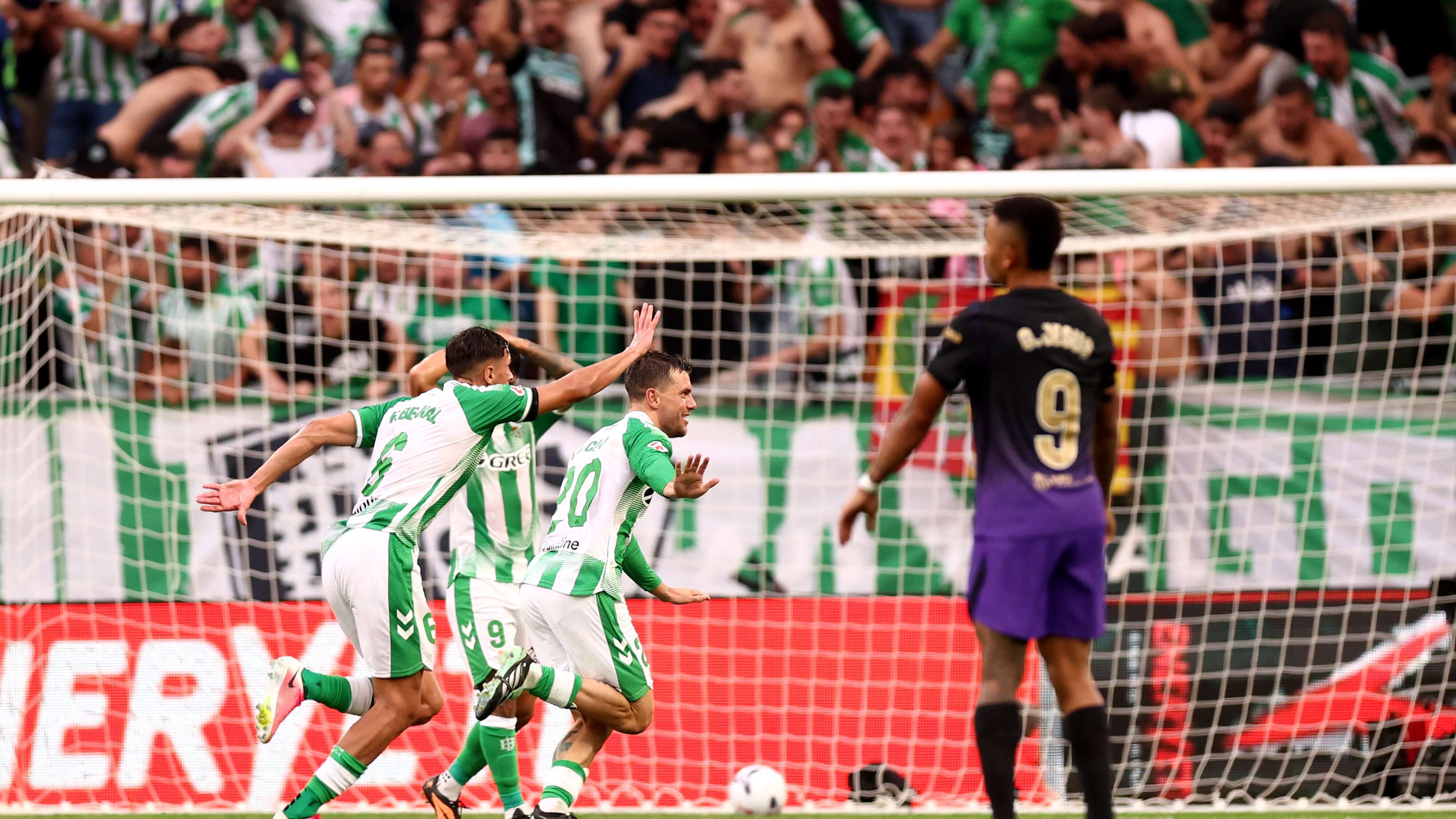
Barcelona’s 5-2 victory over Real Betis at La Cartuja was a high-scoring contest, but one first-half decision quickly became the match’s biggest talking point. Giovani Lo Celso appeared to bring Betis level at 2-2 with a superb volley in the 43rd minute. Instead, after a video assistant referee (VAR) review, the goal was ruled out for a handball earlier in the attacking move.
The decision raised an important question for football fans: how could a handball at the beginning of a long sequence cancel out a goal scored several moments later? Audio from the review, reported by Spanish newspaper Mundo Deportivo, offers a clearer picture of the discussion between the officials and the reasoning behind the final call.
How the disallowed goal unfolded
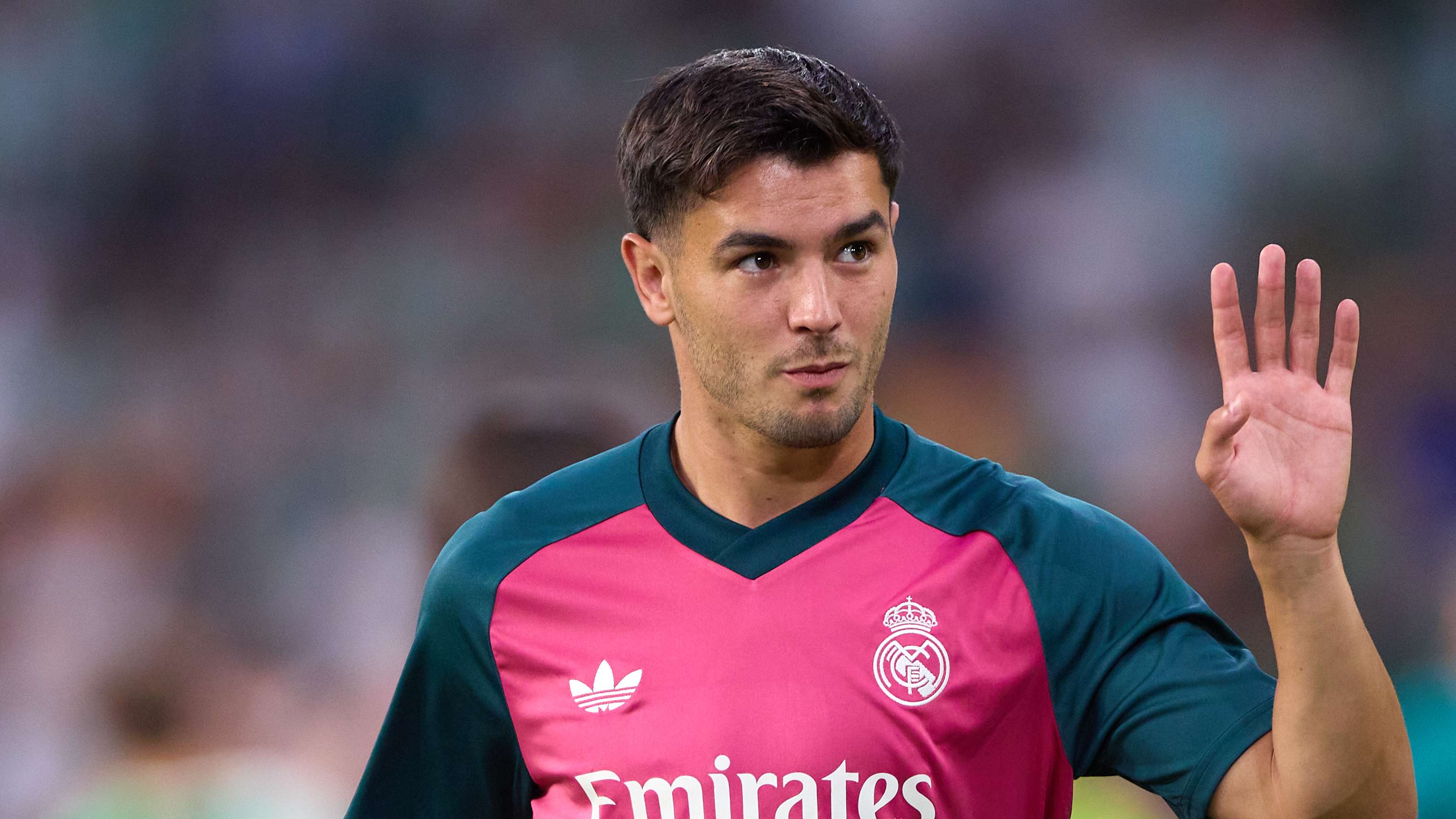
The incident began when Cucho Hernández and Barcelona defender Gerard Martín challenged for the ball. During the contest, Hernández used his left arm to bring the ball under control. Play continued, and Betis moved the ball towards the left side of their attack, where Abde Ezzalzouli attempted to deliver a cross into the area.
Jules Koundé intervened, but the ball struck his body rather than being brought under his controlled possession. Betis recovered it, and the ball eventually fell near the edge of the penalty area. Lo Celso arrived to meet it first time, sending a well-struck volley into the net.
For a few moments, the goal appeared to have restored parity. But referee Carlos del Cerro Grande, working with the VAR team, contacted on-field referee Ricardo de Burgos Bengoetxea and recommended an on-screen review for a possible handball in the build-up.
What the VAR officials told the referee
During the review, the VAR team explained that Hernández had made an additional movement with his arm to control the ball. Officials showed de Burgos two different camera angles of the contact, followed by footage of the wider passage of play so he could judge whether the handball remained part of the same attacking move.
After watching the close-ups, de Burgos indicated that he considered the contact punishable. The more complex issue was not simply whether a handball had occurred, but whether enough had happened between that moment and Lo Celso’s finish to bring the original attacking phase to an end.
The referee asked to see where the attacking phase began. The VAR team then played footage from earlier in the sequence, including the moment at which Betis first gained the ball. De Burgos reviewed the passage and concluded that Barcelona had not established controlled possession after Koundé’s intervention.
He therefore ruled that the handball and Lo Celso’s volley belonged to the same continuous attack. The goal was disallowed, and play restarted with a direct free-kick to Barcelona.
Why Koundé’s touch did not end the attacking phase
The central point in the decision was the distinction between touching the ball and controlling it. A defender may make contact with the ball without taking possession in a meaningful or controlled way. In this case, the ball hit Koundé, but Barcelona did not secure it or begin a controlled phase of play before Betis won it back.
Guidance published during the current season by the technical refereeing committee’s referee development centre says an attacking possession phase ends when either team takes the ball under controlled possession. That standard helps explain why the officials looked beyond the immediate contact and assessed the whole sequence.
Because Barcelona never gained control, the VAR team and de Burgos treated Hernández’s handball as part of the same ongoing Betis attack. The passage of time and the intervening defensive touch did not, in the officials’ view, create a new phase.
Two key takeaways from the VAR review
First, the officials judged the handball to be punishable. The footage showed Hernández using his arm to control the ball, and the referee accepted that the movement amounted to an offence. The review was therefore not based simply on an accidental brush of the arm; the officials focused on the player’s action and its role in setting up the attack.
Second, the attacking phase had not ended. The ball striking Koundé was not enough to reset the sequence because Barcelona did not bring it under control. That interpretation connected the earlier handball to Lo Celso’s eventual finish, even though several actions took place in between.
What the decision means for football fans
VAR decisions involving handball can be difficult to follow because they require officials to assess both the contact itself and the context around it. In this case, the review was not limited to a single replay of Hernández’s arm. Officials also had to determine whether the subsequent play represented a fresh attack or a continuation of the same move.
The explanation highlights why controlled possession matters in modern football officiating. A deflection, block or accidental touch does not automatically end an attacking phase. If the defending team fails to gain control, the original sequence may remain active for the purposes of reviewing an offence that occurred earlier.
That distinction is likely to keep the decision under discussion among supporters, particularly Betis fans who saw Lo Celso produce a high-quality finish. At the same time, the released audio provides a more transparent account of how the referee reached his conclusion and what evidence the VAR team considered.
Match result and the wider conversation
Barcelona ultimately secured a 5-2 win, but the disallowed goal became one of the defining moments of the match. It also offered a practical example of how referees apply the rules on handball and attacking possession phases—areas that often generate debate when a goal is overturned.
For anyone considering a match prediction or analysing Barcelona and Betis ahead of future fixtures, the result should be viewed alongside the performance rather than through one contentious call alone. The game featured plenty of goals and attacking quality, while the VAR review underlined how a single decision can shape the narrative long after the final whistle.
The key lesson from the incident is straightforward: a defensive touch does not necessarily end an attack. If possession is never controlled, an earlier offence can still be judged as part of the same phase—and, as Lo Celso’s disallowed volley demonstrated, that can have a decisive impact on the scoreline.