
Borussia Dortmund Faces Critical Transfer Dilemma Amid Long-Term Injury to Giannis Konstantelias
As the summer transfer window approaches its closing stages, Borussia Dortmund finds itself navigating a complex landscape of strategic decisions, fan expectations, and squad management challenges. The recent injury setback to promising young midfielder Giannis Konstantelias has thrust the German powerhouse into urgent need of reinforcements, particularly in the midfield department. Amidst mounting speculation and emotional fan reactions, one name continues to dominate conversations: Jadon Sancho.
The Impact of Konstantelias’ Long-Term Absence on Dortmund’s Squad Strategy
Giannis Konstantelias, a highly-rated Greek talent, had shown promising signs of development since joining Dortmund. His dynamic playstyle, characterized by pace, dribbling, and incisive runs in behind opposition defenses, made him a key component of Dortmund’s tactical plans. However, a devastating cruciate ligament rupture has sidelined the young midfielder for an extended period, leaving a significant gap in the club’s midfield options.
In football, such injuries often prompt clubs to reassess their transfer strategies, especially when they lack depth in specific areas. Dortmund’s management faces the challenge of balancing immediate needs with long-term squad development. The question now is: Should they look externally for a quick fix, or rely on their existing squad and upcoming talents?
Fans’ Longing for Jadon Sancho and the Emotional Appeal
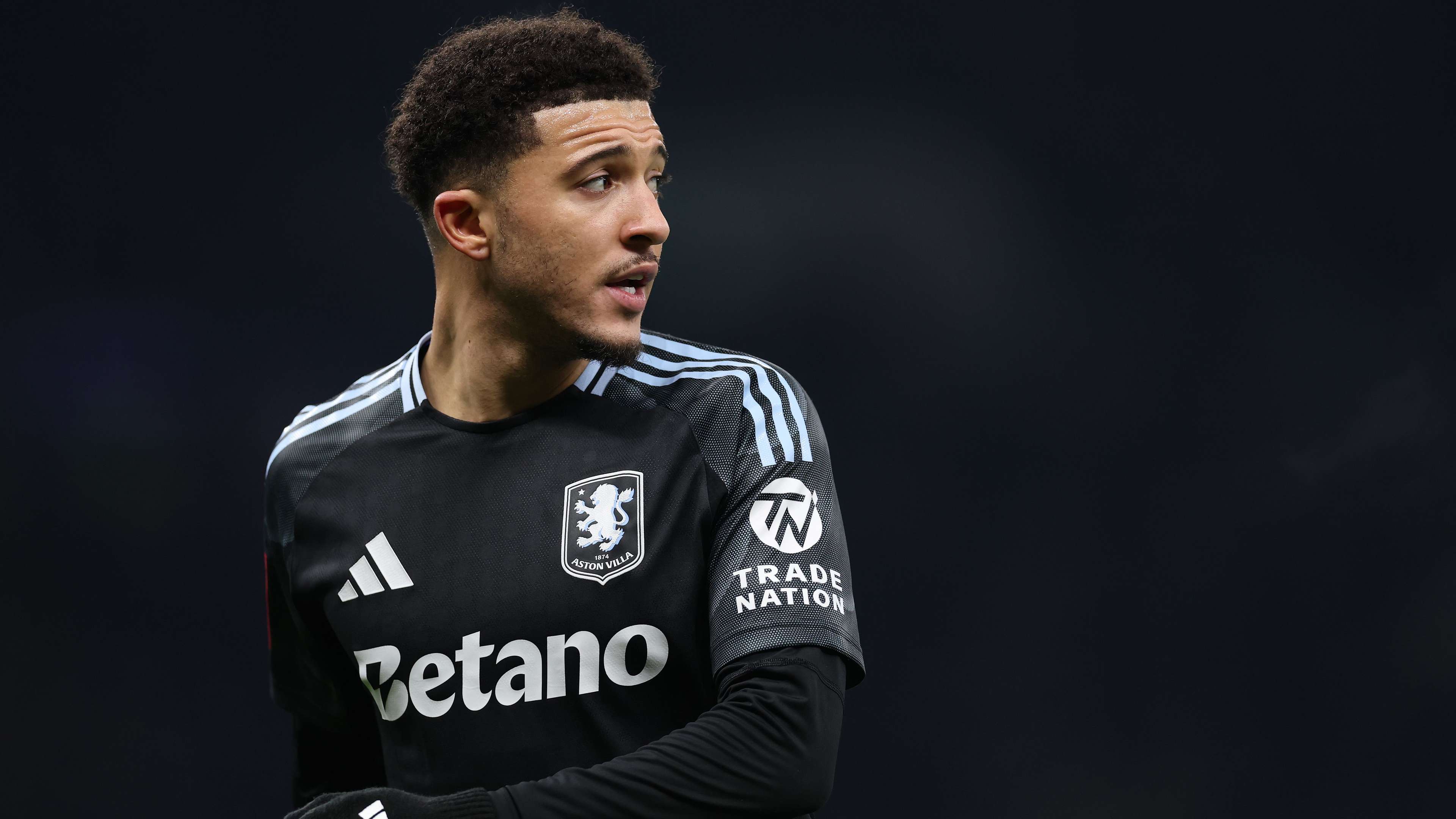
Amidst this crisis, fans’ hearts are turning toward Jadon Sancho, the English winger who previously dazzled at Dortmund and remains a beloved figure among supporters. Social media buzzes with calls for his return, and club officials have acknowledged the emotional pull Sancho exerts on the fanbase. Borussia Dortmund’s managing director Carsten Cramer even admitted that few names could electrify the club’s supporters as much as Sancho does.
Yet, amidst the emotional allure, a deeper analysis reveals that a Sancho reunion might not be the most prudent move from a sporting perspective. The controversy surrounding his current form, recent performances, and overall fit within Dortmund’s strategic framework warrants a careful reconsideration.
The Reality Check: Sancho’s Performance Trajectory and Fit for Dortmund
Jadon Sancho’s transfer from Dortmund to Manchester United in 2021 for a record €85 million marked the beginning of a challenging chapter in his career. Since that high-profile move, Sancho has struggled to recapture the extraordinary form that made him a sensation in Bundesliga. His journey has been marred by inconsistency, diminished impact on the pitch, and an inability to regain his top-tier performance levels.
Statistics from the past five years paint a revealing picture. Over 184 competitive appearances for Dortmund and Manchester United, Sancho has scored 21 goals and provided 22 assists—numbers that are respectable but far from the electrifying output he once displayed. Notably, his goal involvement averages less than one every 250 minutes—a clear indicator that he has not been the game-changer fans remember.
The Pattern of Decline and Unfulfilled Potential
Even during brief loan spells at Chelsea and Aston Villa, Sancho’s performances failed to ignite the kind of consistency and dynamism that once made him a standout. His flashes of brilliance are now sporadic, and his recent form casts doubt on whether he can reliably bring pace, agility, and creative spark back to Borussia Dortmund’s midfield.
Given Dortmund’s current needs—players who can inject pace, make incisive runs, and provide consistent dynamism—the question arises: Is returning Sancho the right solution? The answer, based on recent performance data and tactical considerations, leans strongly toward no.
Strategic Misalignment: Repeating Past Mistakes?
Historically, Dortmund has been wary of returning to familiar faces who have underperformed elsewhere. The club’s recent approach—parting ways with players like Niklas Süle and Julian Brandt due to inconsistent performances—reflects a desire to build a squad based on current form and future potential rather than romantic nostalgia.
Reintroducing Sancho at this juncture would contradict that philosophy. Past reunion attempts—like those with Mario Götze, Shinji Kagawa, or Nuri Sahin—have sometimes been tinged with nostalgia but ultimately failed to deliver sustainable success. Such moves risk undermining the club’s strategic integrity and long-term planning, especially when the core issue is the need for reliable, high-impact players rather than name recognition.
The Risks of a Short-Term Fix versus Long-Term Stability
While fans’ longing for Sancho’s flair is understandable, especially given his history at Dortmund, football prediction and strategic analysis suggest that such a move would be more of a gamble than a solution. Bringing back a player whose form has waned significantly does not guarantee immediate impact, and it could disrupt the cohesion of Dortmund’s evolving squad.
Moreover, investing in a player who has struggled to find consistency lately might divert attention and resources from scouting and developing younger talents or signing players who fit the club’s tactical and cultural vision. Dortmund’s current trajectory aims for sustainable progress, and reverting to a name from the past conflicts with that philosophy.
What Are Dortmund’s Real Options?
Looking ahead, Borussia Dortmund could explore several avenues to address the midfield gap created by Konstantelias’ injury:
- Signing a versatile, dynamic midfielder: Players who can adapt to multiple roles and bring immediate impact.
- Promoting youth talent: Giving more opportunities to emerging players from Dortmund’s renowned youth academy.
- Incorporating tactical flexibility: Adjusting team formations to compensate for the absence, utilizing existing squad depth effectively.
Furthermore, the transfer window still offers some time for strategic additions, possibly on loan or free transfer deals, that align with Dortmund’s long-term vision rather than short-term emotional appeals.
Key Fixtures and the Road Ahead for Borussia Dortmund
In the coming weeks, Dortmund faces a busy schedule, which underscores the urgency of making well-informed, strategic decisions:
- Tuesday, 1 September: DFB-Pokal match against HEBC Hamburg at 8:45 pm
- Saturday, 5 September: Bundesliga clash with TSG Hoffenheim at 3:30 pm
- Tuesday, 8 September: Champions League opener against Villarreal at 9:00 pm
- Saturday, 12 September: Bundesliga fixture versus SC Paderborn at 3:30 pm
These matches will be critical in assessing the team’s current form, tactical adaptability, and how well Dortmund manages to compensate for their key absences. The club’s management and coaching staff must prioritize strategic squad building, ensuring that decisions made in the transfer market serve both immediate needs and long-term ambitions.
Final Thoughts: Balancing Emotion and Strategy in Football Prediction
In football, prediction often hinges on a mix of tactical insight and understanding human factors. Borussia Dortmund’s current predicament highlights the danger of letting emotional attachment to past stars overshadow rational planning. While Jadon Sancho’s name remains a symbol of Dortmund’s golden era, football prediction suggests that his return now would be more of a gamble than a guarantee of success.
Ultimately, Dortmund’s strength lies in their ability to develop talent, execute strategic signings, and maintain squad cohesion. The club’s decision to avoid rushing into a high-profile but potentially mismatched reunion exemplifies a mature approach—one that prioritizes sustainable growth over fleeting nostalgia. Fans may dream of Sancho’s magic on the pitch, but the club must focus on building a team capable of competing at the highest levels, season after season.
As the transfer window closes, all eyes will be on Borussia Dortmund’s next moves—an intricate dance balancing football prediction, squad strategy, and the unwavering hopes of their passionate supporters.