
Football Association of Ireland Faces Legal and Sporting Challenges in Decision to Play Nations League Match Against Israel
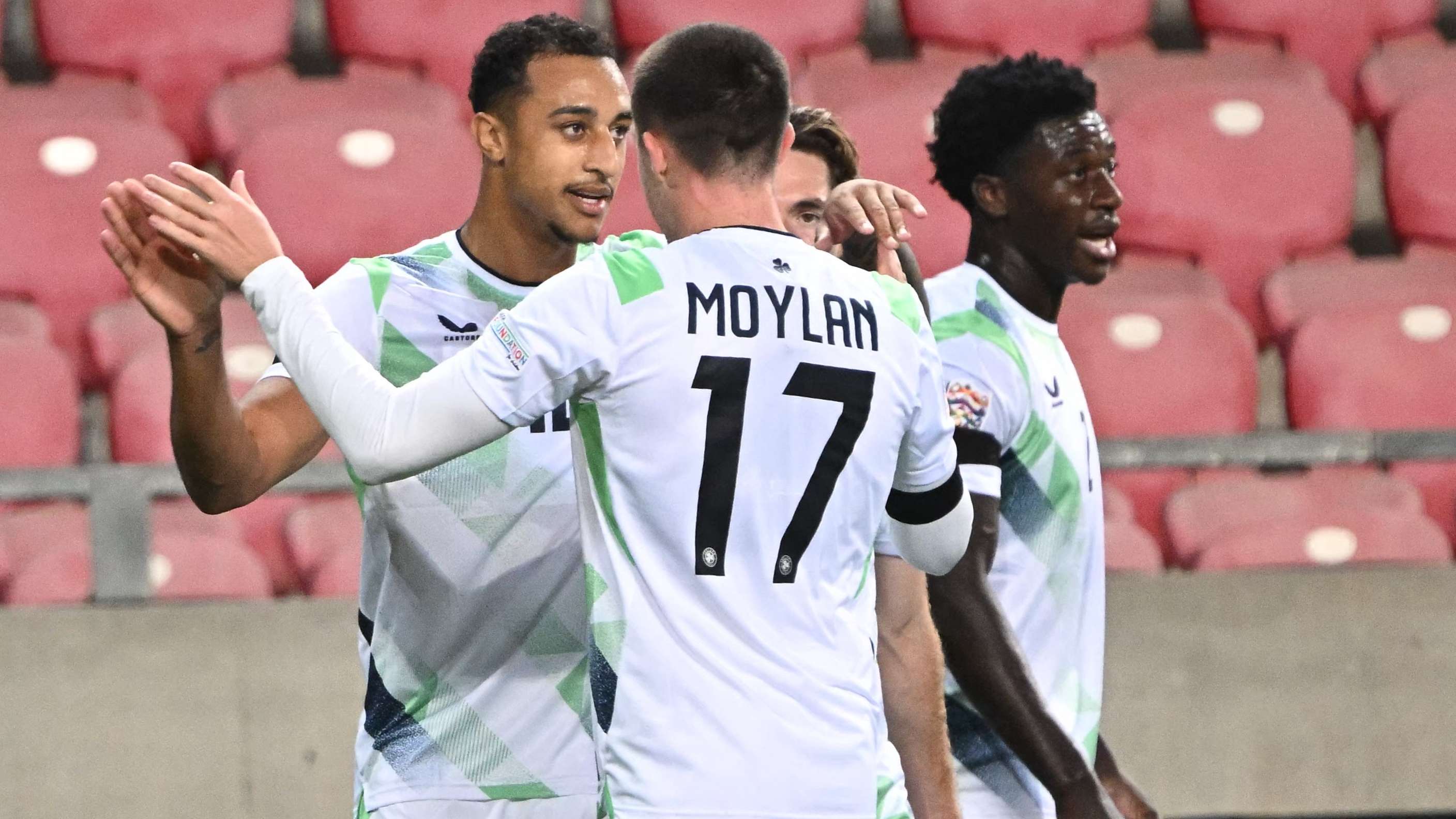
The Football Association of Ireland (FAI) recently navigated a complex web of legal, diplomatic, and sporting considerations to determine their participation in a high-stakes Nations League fixture against Israel. This decision has sparked widespread discussion among football fans, analysts, and stakeholders, highlighting the intricate balance national football associations must maintain between sporting integrity and political or diplomatic concerns.
Understanding the Context: Why the Match Was Controversial
International football often transcends mere sport, becoming a platform for broader geopolitical statements. The fixture between Ireland and Israel, scheduled as part of the UEFA Nations League, was not just a routine game; it became a focal point for debates surrounding political tensions, human rights issues, and the role of sports in promoting peace and diplomacy.
Some factions within Irish society and among football supporters advocated for a boycott of the match, citing solidarity with Palestinians and opposition to Israel’s policies in the region. Conversely, others emphasized the importance of maintaining sporting ties and upholding commitments to UEFA and international football regulations.
Legal and Sporting Pressures: The FAI’s Dilemma
According to Paul Cooke, President of the Football Association of Ireland, the governing body faced significant legal and sporting pressures that ultimately influenced their decision to proceed with the fixture. These pressures stemmed from multiple sources:
- UEFA Regulations and Sanctions: UEFA, the governing body of European football, has strict rules regarding match cancellations and boycotts. Failure to honor scheduled fixtures could have resulted in hefty sanctions, including fines, suspension from competitions, or disqualification from future tournaments.
- Legal Commitments and Contracts: The FAI was bound by contractual obligations with UEFA and other stakeholders. Breaking these agreements could have led to legal repercussions, including damages or loss of future hosting rights.
- Potential Repercussions and Precedents: The association was also mindful of setting a precedent. A decision to boycott could have ripple effects across European football, affecting future fixtures and the integrity of international competitions.
In essence, the FAI’s decision was driven by a desire to uphold their commitments, avoid sanctions, and protect the integrity of Irish football on the international stage. Yet, this choice was not made lightly; it involved weighing the potential backlash against the sporting and legal consequences of abstaining from the match.
The Role of UEFA and International Football Governance
UEFA’s stance on political protests and match boycotts is clear: the organization emphasizes the importance of neutrality and adherence to competition rules. While UEFA encourages respect for human rights and social justice, it also insists that member associations fulfill their obligations to participate in scheduled matches.
For the FAI, this meant that opting out of the fixture could have led to disciplinary action. Such measures are designed to preserve the consistency and fairness of international competitions, ensuring that all teams meet their commitments regardless of external political pressures.
However, recent debates have questioned whether UEFA’s strict enforcement aligns with the broader ideals of sports as a tool for promoting peace and understanding. Some argue that political activism within football can be a force for positive change, while others contend that maintaining competition integrity must take precedence.
Implications for Future Football Prediction and International Fixtures
The Irish football team’s participation in this fixture has broader implications for the world of football prediction and analysis. Fans and experts often analyze team decisions, political contexts, and governing body policies to forecast outcomes and assess the influences on match performance.
In the context of upcoming international fixtures, understanding the legal and diplomatic pressures that influence a team’s participation can provide valuable insights for accurate football prediction. For instance, if a team faces internal or external conflicts that threaten to affect their focus or morale, it could impact their performance on the pitch.
Moreover, the decision to play or boycott matches in politically sensitive situations can shape future predictions, as it reflects underlying tensions that might influence team preparation, player mindset, and spectator engagement. Football analysts now increasingly consider the broader socio-political landscape when making predictions about match outcomes.
The Broader Impact: Football as a Platform for Peace or Political Statement?
This incident underscores the ongoing debate about the role of football in politics. Should national associations prioritize sporting commitments at all costs, or should they leverage the platform to advocate for social justice and human rights?
While the Irish Football Association chose to fulfill their fixture, the discussion continues about how football can serve as a force for positive change. Some argue that boycotts and protests can draw necessary attention to critical issues, fostering dialogue and understanding. Others maintain that the sport’s primary purpose is to entertain and bring people together through competition.
In the end, the decision by the FAI reflects a pragmatic approach, balancing legal obligations, sporting integrity, and diplomatic considerations. It highlights the complex reality that football organizations face in a world where sport and politics are deeply intertwined.
Conclusion: Navigating the Complex Intersection of Sport, Law, and Politics
The Irish Football Association’s choice to proceed with their Nations League fixture against Israel exemplifies the delicate balancing act that national football bodies must perform. As the global football community continues to evolve, understanding these underlying pressures is crucial for fans, analysts, and stakeholders alike.
Looking ahead, the intersection of football, prediction models, and geopolitical considerations will likely become even more prominent. Fans and pundits will need to stay informed about the legal and diplomatic contexts influencing international fixtures, as these factors can significantly impact team performances and tournament outcomes.
Ultimately, the Irish case underscores that football, while fundamentally a sport, also reflects broader societal issues. As the sport continues to grow worldwide, its capacity to serve as a platform for both competition and social change remains a subject of ongoing debate and exploration.