
Future Uncertain for Iraqi Football: A Critical Turn Amidst Recent Setbacks
The Iraqi national football team, widely known as the “Lions of Mesopotamia,” faces a pivotal moment in its sporting journey. Following a disappointing exit from the recent Gulf Cup, compounded by their failure to qualify for the upcoming World Cup, the Iraqi Football Association (IFA) is now contemplating significant structural and coaching reforms. This potential upheaval underscores the high stakes involved as Iraq aims to rebuild its footballing stature on the Asian and international stage.
Recent Performances and the Gulf Cup Disappointment
The Gulf Cup, a prestigious regional tournament that serves as a battleground for Middle Eastern football giants, proved to be a major setback for Iraq this year. The team entered the competition with hopes of making a strong impression but faced harsh realities on the pitch. Their exit was marked by a narrow defeat against Saudi Arabia—the host nation—and a crucial loss to Oman, which ultimately eliminated their chances of advancing.
In the decisive matches, missteps in tactical decision-making and lack of cohesion appeared glaringly evident. Iraq’s inability to secure essential points in those high-pressure moments exposed vulnerabilities that have been simmering for some time. The failure to capitalize on opportunities, combined with tactical errors, has ignited widespread criticism among fans, analysts, and officials alike.
The World Cup Qualifier Fiasco and Its Aftermath
Adding to the disappointment was Iraq’s failure to qualify for the 2026 FIFA World Cup. The team’s underwhelming performance in the qualifiers not only dashed hopes of a historic qualification but also raised questions about the current coaching setup and strategic planning. The national team’s struggles in crucial matches have cast doubt over the coaching staff’s ability to steer Iraq back to the world’s biggest football stage.
Football prediction experts and pundits have been scrutinizing Iraq’s prospects ahead of future competitions, emphasizing the urgent need for a strategic overhaul. Many believe that the current squad, while talented, lacks the tactical discipline and consistency required to compete at higher levels, especially in high-stakes tournaments.
Leadership and the Call for Change
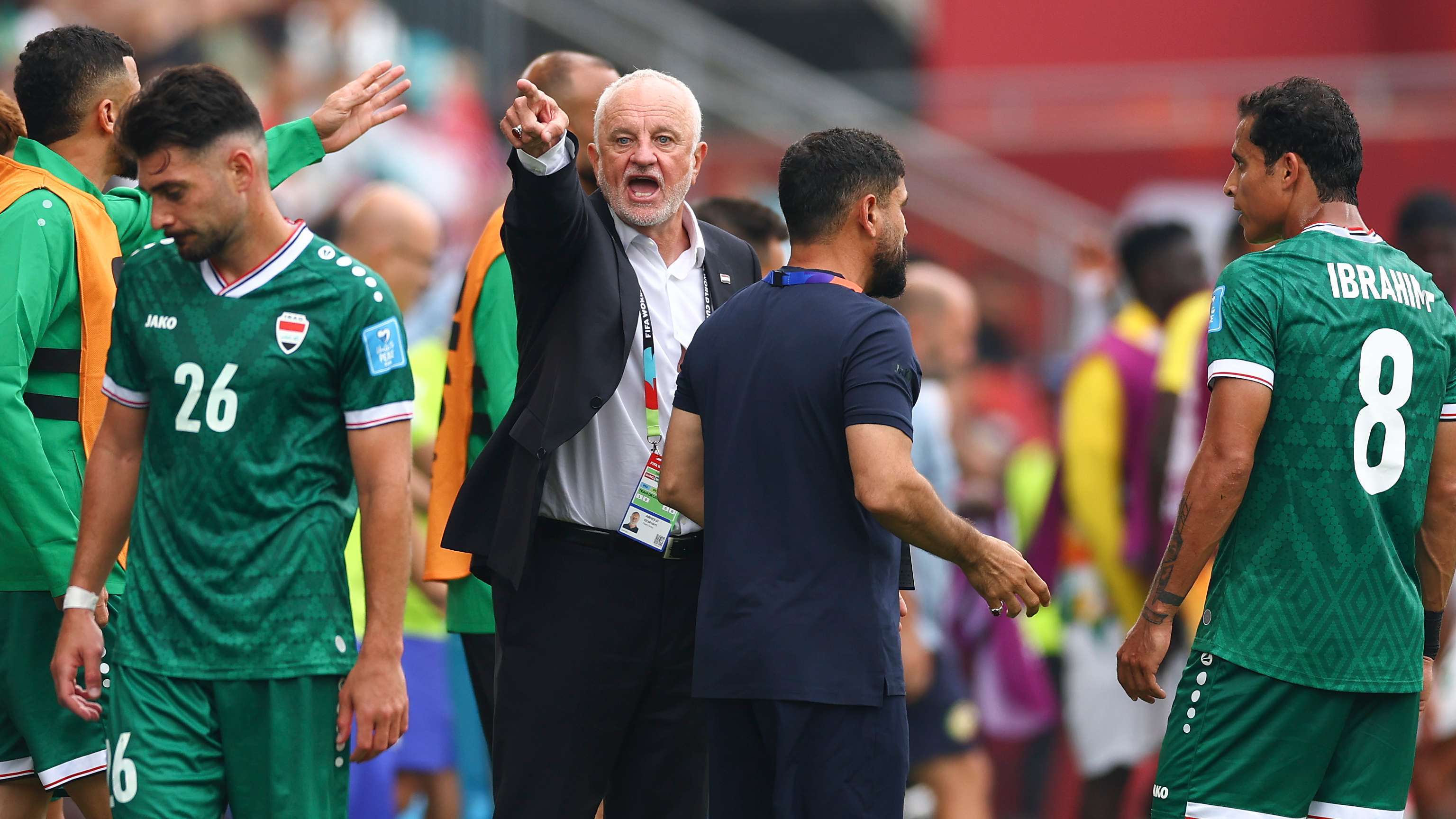
Amidst this turbulence, the Iraqi Football Association is reportedly considering a major technical shake-up. According to sports media figure Hisham Mohammed, who appeared on the “Gulf Time” program on “Al-Rabia Al-Riyadiya” channel, there is a strong inclination to terminate the contract of the current head coach, Australian tactician Graham Arnold. The move signals a desire to bring fresh ideas and renewed strategic direction to Iraqi football.
Younis Mahmoud, the current president of the Iraqi Football Association, has shown proactive leadership during this critical period. Based in Jeddah, he has convened urgent meetings with board members to discuss the future of the national team and the coaching staff. Sources indicate that there is a near-unanimous consensus among officials that change is imperative, with many believing Arnold’s continued tenure would serve no purpose given recent results.
The Challenges of Rebuilding Iraq’s Football Identity
Deciding to part ways with Arnold is not merely a matter of changing a coach; it involves a comprehensive reevaluation of Iraq’s footballing philosophy and development programs. The association must navigate the complexities of selecting a new coach, restructuring the team, and implementing long-term strategies aimed at elevating Iraq’s competitive level.
Moreover, the timing is critical. Iraq is approaching a crucial phase with preparations underway for the 2027 Asian Cup finals, scheduled to be hosted in Saudi Arabia. Success in this tournament could serve as a catalyst for national pride and international recognition, but only if the team undergoes effective reforms.
Technical and Tactical Concerns
Graham Arnold, despite his experience, has faced mounting criticism for his tactical choices during the Gulf Cup. Critics point out that his decisions in managing key matches appeared inconsistent and at times, overly conservative. The chaos in his team selections and failure to adapt during crucial moments have been highlighted as significant reasons for Iraq’s exit.
Football prediction models and analysts have noted that Iraq’s tactical frailties have been exposed repeatedly in recent competitions. The need for a coach with proven strategic acumen and the ability to develop young talent has never been more urgent. A new managerial approach could help Iraq develop a more resilient and adaptable playing style, essential for future success in regional and international tournaments.
Looking Ahead: The Path to Recovery and Success
The decision to change coaching staff is only the beginning of Iraq’s journey back to football prominence. The nation’s football community, including fans, players, and officials, are hopeful that this upheaval will usher in a new era of tactical discipline, player development, and competitive resilience.
Expert predictions suggest that Iraq must focus on enhancing youth development programs, investing in scouting, and embracing modern training methodologies. Building a robust pipeline of talented players capable of performing under pressure will be essential for sustained success.
Furthermore, strategic planning must extend beyond just coaching changes. The Iraqi Football Association is encouraged to foster a holistic approach that includes infrastructure improvements, increased international exposure, and fostering a strong football culture within the country.
Conclusion: A Critical Juncture for Iraqi Football
As Iraq stands at a crossroads, the decisions taken in the coming weeks will significantly influence its footballing future. The potential termination of Graham Arnold’s contract symbolizes a broader desire for change—one aimed at restoring pride and competitiveness to Iraqi football.
Football prediction experts and enthusiasts alike will be watching closely, analyzing trends and potential coaching candidates who can propel Iraq towards Asian and global prominence. The road ahead demands bold decisions, strategic vision, and unwavering commitment to development. If executed effectively, this period of transition could mark the dawn of a new chapter in Iraqi football history, replete with renewed hope and tangible success on the pitch.