
Exciting Developments in the Race to Host the Gulf 28 Football Tournament
The upcoming announcement regarding the host nation for the highly anticipated Gulf 28 football competition is generating significant buzz across the Middle East and beyond. As the region’s premier football event, the Gulf Cup has a storied history of fostering regional unity, showcasing regional talent, and fueling passionate football predictions among fans. With the official decision imminent, stakeholders and enthusiasts alike are eager to learn which country will step forward to host the next edition of this prestigious tournament.
Key Meetings and Official Announcements Set to Shape the Future of Gulf Football
Sources indicate that a crucial meeting of the executive office of the Arabian Gulf Cup Football Federation is scheduled for midday on Monday in Jeddah, Saudi Arabia. This gathering takes place on the sidelines of the ongoing “Gulf 27” tournament, which itself has been a platform for regional football diplomacy and strategic planning. The primary agenda of this meeting revolves around the bidding process for hosting Gulf 28, with several countries vying for the opportunity to showcase their football infrastructure and hospitality capabilities.
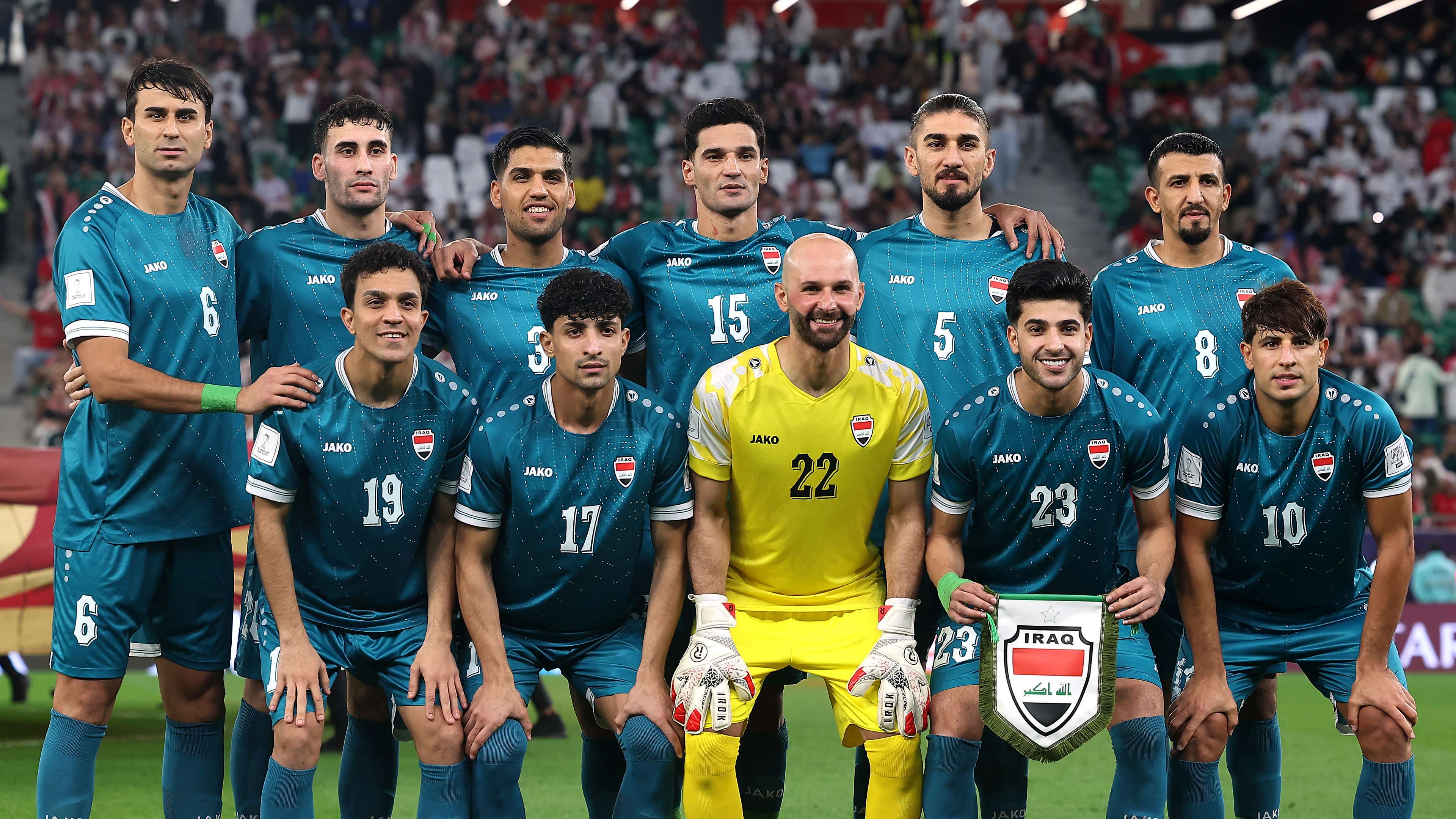
Notably, the official bid to host Gulf 28 has been submitted solely by Iraq, a move that marks a significant step in the country’s efforts to re-establish itself as a major player in regional football. Basra’s governor, Asaad Al-Eidani, publicly confirmed Iraq’s formal bid, signaling a strong commitment to hosting the tournament that could serve as a catalyst for football development in southern Iraq and the broader region.
Potential Bidder Countries: Ongoing Interest and Emerging Contenders
While Iraq has officially thrown its hat into the ring, there are indications that other Gulf nations are contemplating their own bids. According to reliable sources cited by Asharq Al-Awsat, both Bahrain and Oman have expressed early interest in hosting Gulf 28. However, at this stage, neither country has submitted an official proposal, leaving their intentions open to speculation and anticipation among football fans and analysts.
Experts suggest that these nations recognize the strategic importance of hosting the Gulf Cup, not only for elevating their national football profiles but also for boosting tourism, enhancing sports infrastructure, and cultivating local talent. The prospect of hosting such a high-profile regional tournament is seen as a valuable opportunity to position themselves as key players on the Gulf football stage.
The Rotation System: A Strategic Shift in Hosting the Gulf Cup
Amidst these bidding developments, informed sources reveal that there is ongoing consideration of a new approach to selecting hosts—namely, reinstating a rotation system among Gulf countries. This proposed change aims to replace the current bidding process, which has often been controversial or unpredictable, with a more equitable and systematic rotation among member states.
The idea behind this shift is to ensure that the Gulf Cup reaches a broader geographical audience, allowing different countries to benefit from hosting duties and to develop their football infrastructure. Historically, the tournament has been hosted by various nations—UAE in 2007, Oman in 2009, Bahrain in 2013, Saudi Arabia in 2014 and 2026, Kuwait in 2017 and 2024, and Iraq in 2023. Implementing a rotation system would guarantee that each Gulf Cooperation Council (GCC) member has the opportunity to host, fostering regional unity and shared development.
Historical Context and the Significance for Gulf Football Prediction
The Gulf Cup has long been a centerpiece of regional football, serving as a stage for emerging talent and fierce football predictions among fans. The tournament’s history reflects a rich tapestry of competitive spirit, regional rivalries, and evolving football standards. The last Gulf Cup held in Iraq in 2023 marked a historic return for Iraqi football, rekindling hopes for future hosting opportunities in other nations.
Hosting the Gulf 28 will undoubtedly influence football predictions, as experts and fans analyze potential matchups, team strengths, and tactical trends. Countries that secure the hosting rights often see a boost in team morale and fan engagement, which can positively impact performance during the tournament. The host nation’s ability to effectively prepare and leverage home advantage will be a critical factor in predicting the outcome of the competition.
Implications for Regional Sports Development and Tourism
Beyond the pitch, hosting the Gulf Cup is a strategic move for promoting sports development and tourism in the Gulf region. Countries vying to host Gulf 28 are investing heavily in upgrading stadiums, training facilities, and transportation infrastructure. These improvements not only benefit the tournament but also leave a lasting legacy that supports the growth of football and other sports well into the future.
Moreover, hosting such a prominent football event attracts regional and international visitors, boosting local economies through increased tourism, hospitality, and commerce. For Gulf nations, this is an opportunity to showcase their cultural heritage and modern amenities, strengthening their global image and fostering regional cooperation.
Conclusion: The Road Ahead for Gulf 28 and Regional Football Predictions
As the Gulf football community awaits the official announcement, the race to host Gulf 28 remains one of the most exciting developments in regional sports. The decision will not only shape the future of Gulf football predictions but also influence the region’s sports diplomacy, infrastructure development, and regional integration efforts.
With Iraq leading the official bids and other nations contemplating their strategies, the possibility of a rotation-based hosting schedule offers a promising pathway toward more inclusive and equitable Gulf Cup tournaments. Fans and analysts will undoubtedly continue to speculate and analyze the potential outcomes, making football predictions more engaging than ever.
One thing is certain: the Gulf 28 will be a landmark event in Middle Eastern football history, uniting the region through the beautiful game and inspiring a new generation of footballers and fans alike. Stay tuned for the official announcement, which promises to be a defining moment for Gulf football’s future.