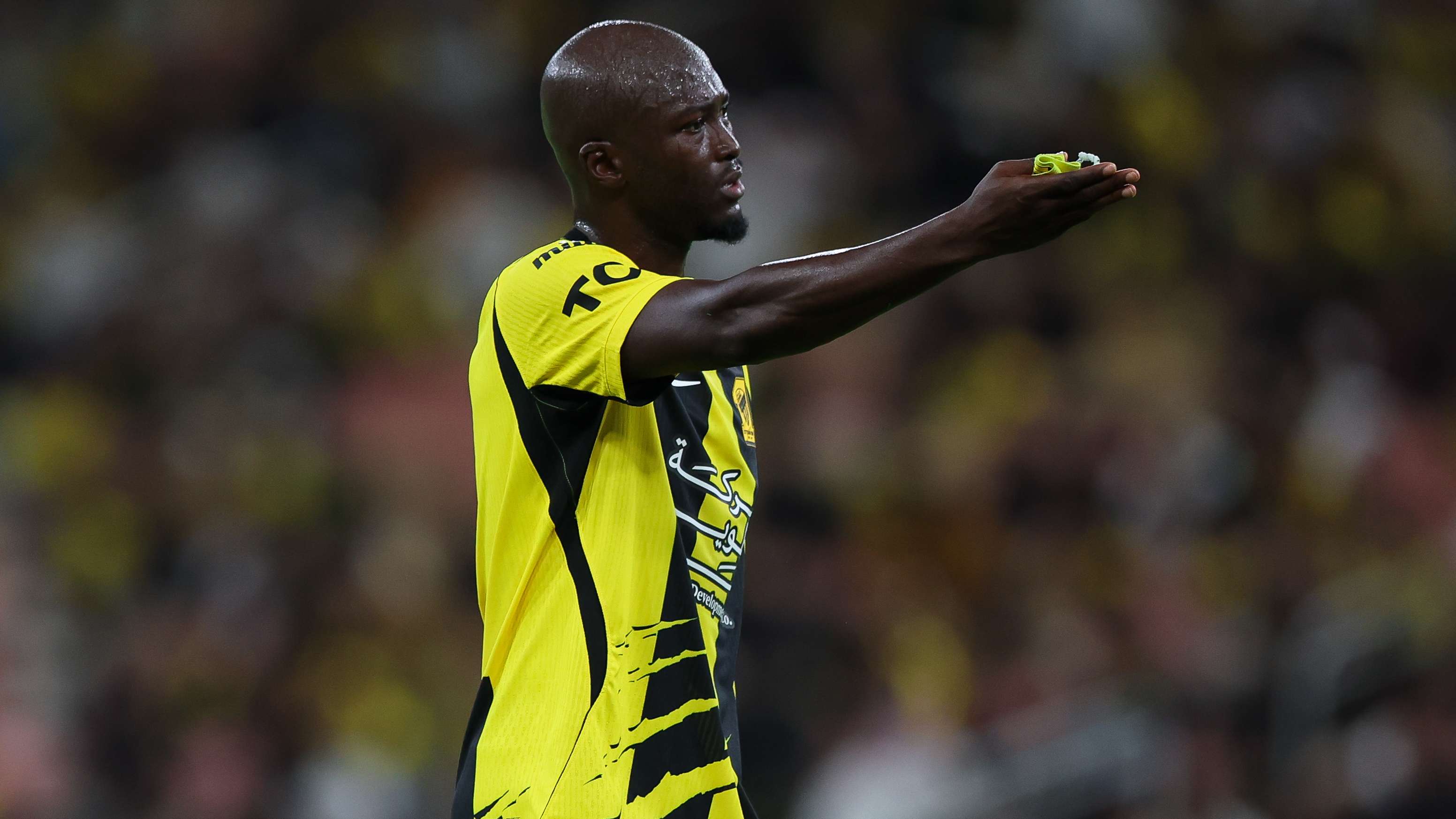

Portuguese Defender Danilo Pereira Criticizes Referee Decisions After Al-Ittihad’s Draw
Portuguese defender Danilo Pereira of Al-Ittihad did not hold back as he expressed his frustration with the referee’s decisions following his team’s 1-1 draw with Al-Khaleej in the opening weekend of the Roshn Saudi Pro League. Pereira, a Portugal international, spoke out against a series of calls that he believed had a direct impact on the final result of the match.
Pereira’s Discontent
Speaking to the media after the game, Pereira highlighted two particular incidents that he felt were unjust. The first was a foul inside the box that he believed should have resulted in a penalty for Al-Ittihad. According to Pereira, he was pushed from behind, and his team deserved the opportunity to score from the spot.
However, the contentious moment came when Pereira was shown a red card for a challenge that he deemed to be unintentional. He argued that the circumstances did not warrant such a harsh punishment, stating that the challenge was not deliberate, no great force was used, and there was minimal contact.
Impact on the Game
With Al-Ittihad reduced to ten men following Pereira’s dismissal, the team faced an uphill battle to protect their lead. Pereira acknowledged that playing with a numerical disadvantage made it challenging for his team to regain control of the match.
Despite the setback, Pereira believed that Al-Ittihad had opportunities to secure the win but failed to capitalize on them. He emphasized the need to be more clinical in front of goal in future matches.
Looking Ahead
As the dust settled on the contentious draw, Pereira urged his teammates to focus on the next match and move past the disappointment of the result. He emphasized the unpredictable nature of football and the importance of quickly shifting their attention to the upcoming fixtures.
Overall, Pereira’s candid remarks shed light on the frustrations felt by Al-Ittihad following the match against Al-Khaleej. The defender’s criticisms of the referee’s decisions added fuel to the debate surrounding officiating standards in football.
As Al-Ittihad prepares for their next fixture, Pereira’s words serve as a reminder of the passion and intensity that drives players to speak out against perceived injustices on the pitch. With the Portuguese defender leading by example, Al-Ittihad will be eager to bounce back and showcase their determination in the games to come.
The Impact of Referee Decisions in Football
Referee decisions have always been a hot topic in the world of football, with players, coaches, and fans often feeling aggrieved by perceived injustices on the pitch. The case of Danilo Pereira’s criticism of the referee’s decisions highlights the emotional and strategic impact these judgments can have on a game.
While referees are tasked with enforcing the rules of the game and maintaining order on the field, their decisions can sometimes be subjective and open to interpretation. In Pereira’s case, the contentious foul inside the box and subsequent red card were pivotal moments that shaped the outcome of the match.
The Psychological Effects of Referee Decisions
It’s not just the immediate impact of referee decisions on the game that players like Pereira have to contend with. The psychological effects of feeling hard done by can linger long after the final whistle. Being on the receiving end of what is perceived as an unfair decision can affect a player’s confidence, focus, and overall mindset.
In the case of Al-Ittihad, Pereira’s red card undoubtedly shifted the momentum of the game and forced the team to adapt their tactics. The psychological blow of playing with ten men can be significant, as players must rally together to compensate for the numerical disadvantage.
The Role of Video Assisted Refereeing (VAR)
With the introduction of Video Assisted Refereeing (VAR) in many top leagues around the world, the debate around referee decisions has intensified. While VAR aims to provide more accurate and fair officiating, it has also sparked controversy and divided opinions among players, coaches, and fans.
VAR has the potential to rectify clear errors and ensure greater transparency in decision-making. However, its implementation has not been without its challenges, with delays in the decision-making process and inconsistent interpretations of incidents still prevalent in the game.
The Importance of Resilience in Football
Despite the frustrations and challenges posed by referee decisions, resilience is a key trait that players and teams must possess in football. The ability to bounce back from setbacks, both on and off the pitch, is essential for success in a sport as unpredictable as football.
Danilo Pereira’s call for his teammates to focus on the next match and move past the disappointment of the result exemplifies this resilience. By channeling their frustrations into motivation, Al-Ittihad can use the perceived injustice as fuel to drive them forward in future fixtures.
Conclusion
In conclusion, the impact of referee decisions in football goes beyond the immediate outcome of a match. Emotions run high, strategies are altered, and mental fortitude is tested when players feel that the officiating has not been fair. Danilo Pereira’s criticism sheds light on the complex dynamics at play during a game and serves as a reminder of the passion and intensity that define football.
As Al-Ittihad and other teams navigate the challenges of the season, they must draw on their resilience and determination to overcome obstacles, both on and off the pitch. Referee decisions will continue to spark debate and controversy, but it is how players and teams respond to these challenges that ultimately defines their success in the beautiful game of football.