
Gianni Infantino’s Determined Pursuit of Leadership: A Deep Dive into FIFA’s Future and the Impact on World Football
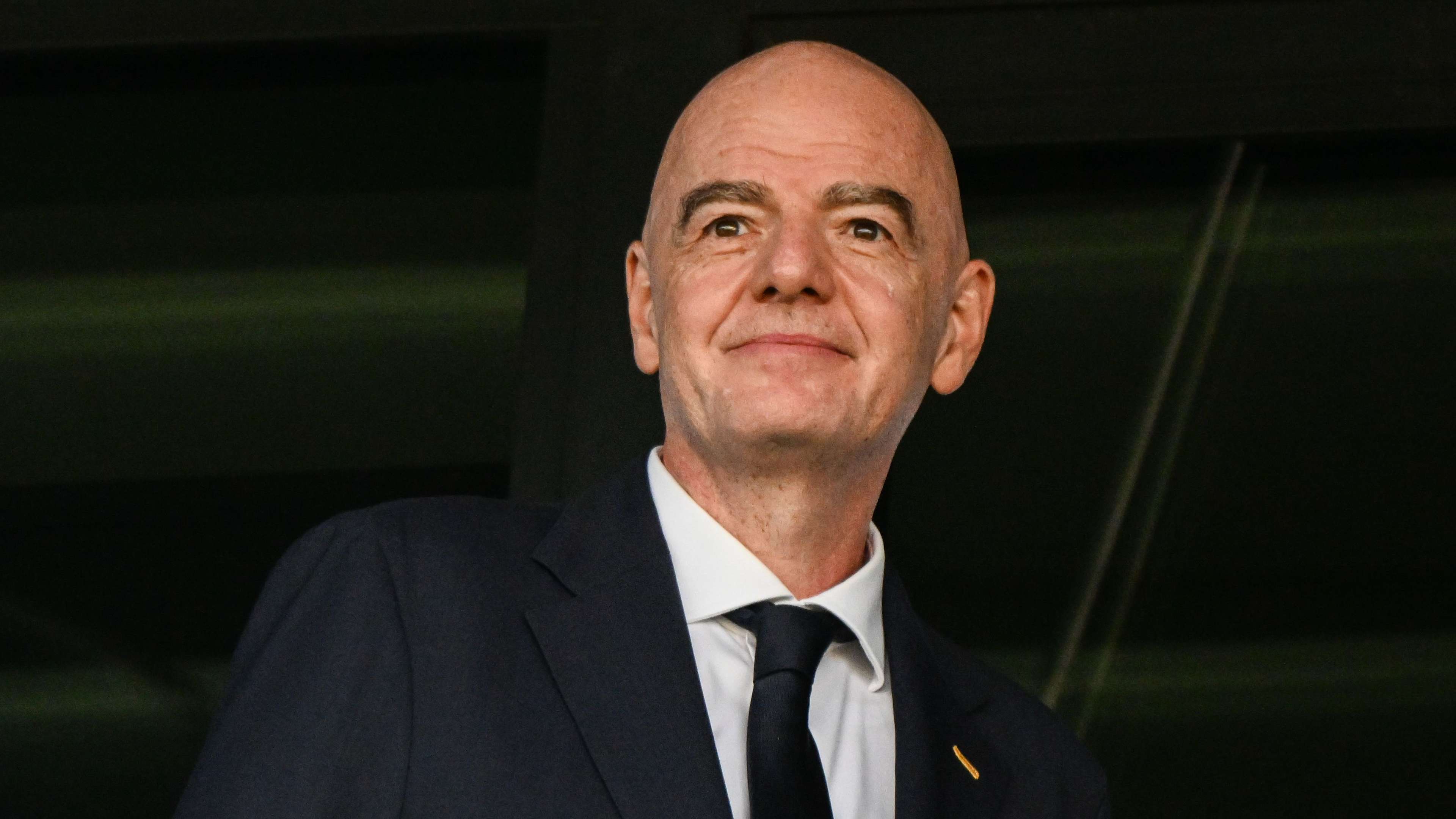
In an era marked by growing scrutiny and intense debate over governance and transparency within global football, Gianni Infantino remains resolute in his ambition to continue steering the world’s most popular sport. The FIFA president, aged 56, has made it clear that he is committed to seeking re-election, dismissing mounting legal challenges and internal dissent that threaten to undermine his leadership. This unwavering stance has significant implications not only for FIFA’s future but also for the broader landscape of international football, where predictions about the sport’s trajectory depend heavily on leadership stability at the top.
Infantino’s Rise and Consolidation of Power in World Football
Gianni Infantino, who assumed the FIFA presidency in 2016, has positioned himself as a transformative figure within global football governance. His tenure has been marked by ambitious reforms aimed at increasing transparency and accountability, especially in the wake of the corruption scandals that rocked FIFA in the early 2010s. Despite facing criticism and internal resistance, Infantino has managed to solidify his influence, positioning himself as a pivotal figure guiding the sport through a period of rapid change.
His bid for a second term underscores his belief in continuing the reforms he has championed, including efforts to expand the FIFA World Cup to new markets and formats, as well as initiatives aimed at growing the game in underserved regions. However, his leadership is not without controversy. Legal threats from various stakeholders and internal revolts within FIFA’s ranks have cast shadows over his presidency, prompting many to question whether his hold on power is sustainable in the long term.
The Controversies and Challenges Facing Infantino’s Re-election
As FIFA gears up for the upcoming election cycle, Gianni Infantino faces an increasingly complex landscape. Legal investigations into FIFA’s operations, allegations of misconduct, and internal disagreements have all contributed to a climate of uncertainty. Critics argue that these issues threaten the integrity of the organization and could impact the predictability of future football governance.
Notably, some member associations and football stakeholders are divided over his leadership, with opponents calling for reform and greater transparency. Nevertheless, Infantino remains steadfast, emphasizing his track record of modernization and growth initiatives. His supporters believe that his vision is essential to maintaining FIFA’s global stature and ensuring the continued development of football worldwide.
Implications for the Future of Football and the Role of Leadership in the Sport
The upcoming election is more than just a political contest; it is a pivotal moment that could influence the direction of world football for years to come. Leadership stability at FIFA is crucial for shaping predictions about the sport’s growth, especially in emerging markets where football’s popularity continues to surge. Infantino’s re-election could reinforce a steady hand guiding these expansion efforts, potentially accelerating the development of football infrastructure and competitions in Africa, Asia, and beyond.
On the other hand, a change in leadership might signal a shift toward more transparent and reform-minded governance, which many advocates argue is vital for the sport’s credibility. As the football community watches this unfolding saga, predictions about FIFA’s future hinge on who will lead the organization and how effectively they can navigate the complex web of legal, political, and sporting challenges.
Expanding the Vision: How Infantino Aims to Shape the Next Chapter of Football
Gianni Infantino’s vision for football extends beyond traditional borders. His push for the expansion of the FIFA World Cup, including proposals for a biennial tournament, aims to boost the sport’s global profile and generate new revenue streams. While these ideas are met with mixed reactions—some hailed as innovative, others criticized as risking the sport’s integrity—they exemplify his desire to leave a lasting legacy.
Such initiatives are pivotal in predicting the future of football, as they could reshape the scheduling, marketing, and even the very fabric of international competitions. The success or failure of these proposals will undoubtedly influence predictions about football’s evolution and the strategic direction the sport is heading.
The Broader Context: Football Predictions and Leadership Dynamics
In the world of football, predictions about the sport’s future are often intertwined with governance and leadership stability. As the sport continues to grow commercially and culturally, the role of FIFA’s leadership becomes even more critical. The outcome of Infantino’s bid for re-election will likely impact not only FIFA’s internal policies but also global football dynamics, including club competitions, national team strategies, and grassroots development programs.
Furthermore, the ongoing legal and political challenges serve as a reminder of the delicate balance between sport, business, and governance. Stakeholders across the globe are watching closely, analyzing whether FIFA’s leadership can sustain its vision of an inclusive, transparent, and financially sustainable future for football.
Conclusion: The Road Ahead for FIFA and World Football
Gianni Infantino’s decision to press forward with his re-election campaign reflects his unwavering belief in the path he has charted for FIFA. While challenges remain—legal threats, internal dissent, and the need for ongoing reform—the future of world football may well depend on the outcome of this pivotal leadership contest.
For fans, clubs, and national associations alike, the implications are profound. The direction that FIFA takes under its current leadership or a new one will influence football’s growth, its predictability as a sport, and its ability to adapt to an ever-changing global landscape. As predictions about the sport’s future continue to evolve, one thing remains clear: leadership at the top of FIFA is more critical than ever in shaping the next chapter of football history.