
FIFA’s Financial Strategy: Gianni Infantino Signals Potential Redistribution of $6 Billion Reserves to Support Global Football Development
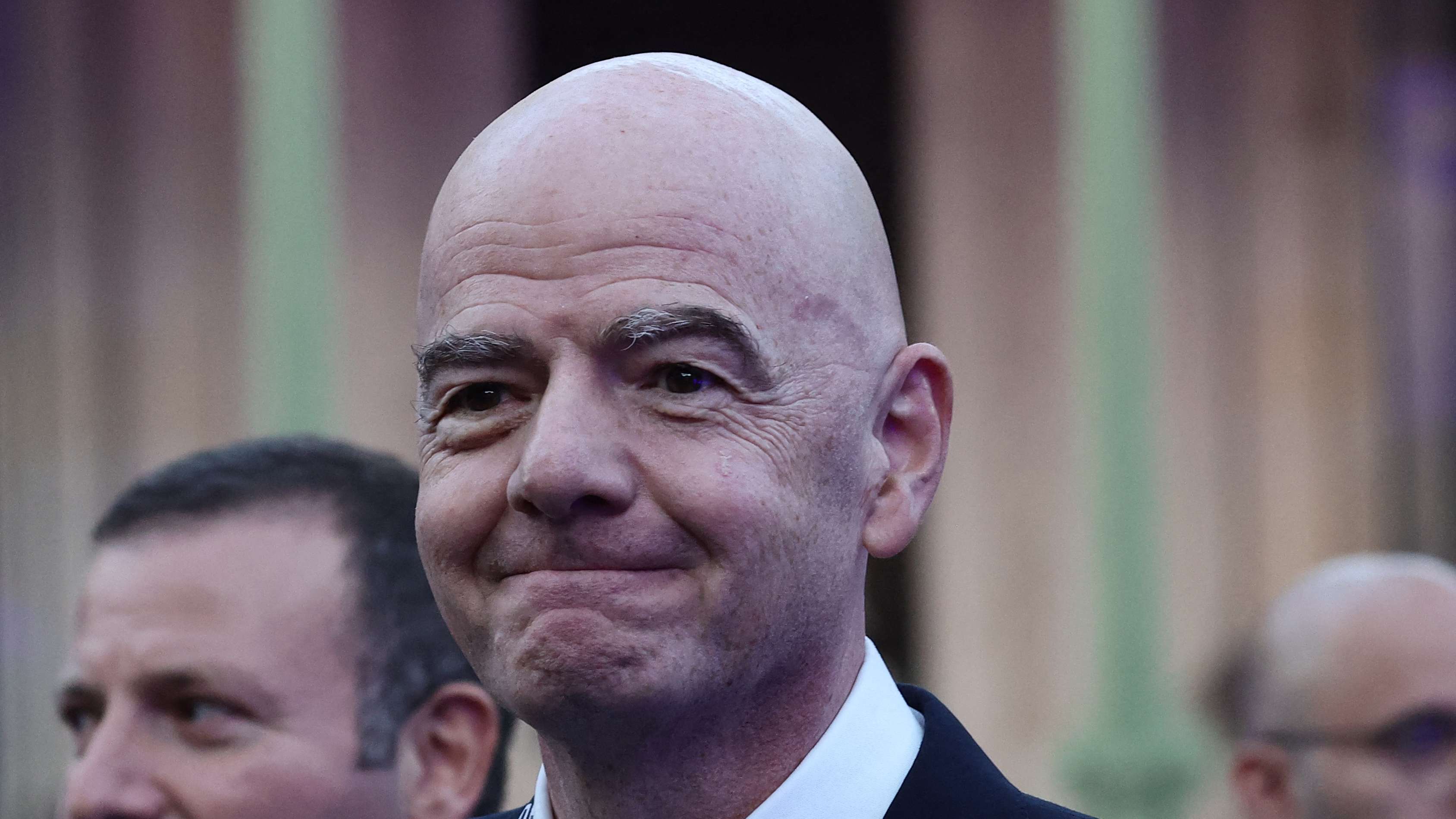
In a move that could reshape the financial landscape of international football, FIFA President Gianni Infantino has publicly indicated his openness to releasing a substantial portion of the federation’s enormous cash reserves—estimated at over $6 billion—into the hands of member associations worldwide. This announcement has sparked widespread discussions among football enthusiasts, industry insiders, and governing bodies about the potential impact on the sport’s growth, especially in underserved regions.
Understanding FIFA’s Financial Powerhouse and Its Potential for Change
FIFA, the global governing body of football, boasts an unmatched financial position with reserves surpassing $6 billion. These funds are accumulated from a variety of sources, including World Cup revenues, sponsorship deals, broadcasting rights, and commercial partnerships. Traditionally, a significant portion of this wealth has been reinvested into organizing tournaments, marketing, and operational expenses. However, critics and confederation leaders have long called for a more equitable distribution, emphasizing that much of the growth and revenue generated by football’s biggest events benefit only a handful of regions.
Gianni Infantino’s recent statements suggest a potential paradigm shift. In an era where football continues to evolve globally, the question arises: how can this vast financial reservoir be harnessed to foster development, elevate grassroots initiatives, and support struggling football associations in less affluent parts of the world?
The Pressure from Confederation Leaders and the Push for Fairness
The move comes amid mounting pressure from influential confederation leaders representing continents like Africa, Asia, and South America. These leaders have argued that the wealth generated by FIFA’s global events should be more evenly distributed to nurture talent, upgrade infrastructure, and ensure sustainable growth in their regions. This push aligns with a broader vision to democratize the sport, making it more accessible and competitive worldwide.
For years, critics have pointed out the disparities in football development opportunities across different continents. While Europe and North America have seen significant investments and professional infrastructure, many emerging football nations struggle with inadequate facilities, coaching, and funding. Infantino’s willingness to consider redistributing FIFA’s reserves could be a pivotal step toward bridging this gap, ultimately leading to a more competitive and vibrant global football scene.
Implications for Football Prediction and the Future of the Sport
As discussions about the redistribution of FIFA’s funds gain momentum, the implications for football prediction and team development are profound. Enhanced funding in developing regions could lead to a surge in football talent, elevating the level of competition in international tournaments. This, in turn, could influence betting markets and prediction models, making them more dynamic and reflective of the evolving global landscape of the sport.
Moreover, increased investment in grassroots programs and youth academies could result in a new generation of skilled football players emerging from diverse backgrounds. This diversification is crucial for maintaining the sport’s appeal and ensuring its growth in new markets. For football enthusiasts, this means more competitive matches, unpredictable outcomes, and exciting prediction opportunities in tournaments like the World Cup, continental championships, and club competitions.
Expanding the Vision: Supporting Grassroots and Infrastructure Development
One of the most promising aspects of this potential redistribution is the focus on grassroots football. By channeling funds into local leagues, coaching clinics, and youth development programs, FIFA could foster a more inclusive and sustainable football ecosystem. Improved infrastructure—such as modern stadiums, training facilities, and medical centers—would not only boost the quality of play but also stimulate local economies and community engagement.
Furthermore, this strategic financial support could address some of the most pressing challenges faced by under-resourced football associations, including corruption, lack of proper governance, and inadequate talent scouting. With more resources, these associations could implement better administrative systems, ensuring transparency and fostering a culture of fair play—an essential aspect for credible football predictions and tournament outcomes.
The Broader Impact on Global Football and Commercial Markets
The potential redistribution of FIFA’s reserves has far-reaching implications beyond development. It could influence the commercial and broadcasting aspects of football, as emerging markets become more competitive and attract new sponsorships and media rights deals. As new regions produce talented teams and players, football prediction markets may become more complex, with new contenders rising on the international stage.
Additionally, this shift could lead to more diverse and unpredictable tournaments, heightening fan engagement worldwide. Betting companies and prediction platforms would need to adapt to the changing dynamics, offering new insights and odds based on the rising strength of previously underdog teams. The democratization of football through financial redistribution could make prediction of match outcomes more exciting—and more challenging—for fans and analysts alike.
Conclusion: A Turning Point for Global Football Development
Gianni Infantino’s indication that FIFA might release a significant portion of its massive $6 billion reserves marks a potentially transformative moment in the history of football. By prioritizing equitable distribution and funding grassroots initiatives, FIFA aims to foster a more inclusive, competitive, and sustainable global sport. This approach not only promises to elevate the standard of football worldwide but also offers fresh opportunities for prediction markets, betting enthusiasts, and fans eager to see a truly diverse array of nations and teams compete at the highest levels.
As this conversation unfolds, stakeholders across the football community—players, coaches, fans, and governing bodies—will be watching closely. The decisions made in the coming months could set the stage for a new era of football, where wealth is used as a tool to unlock untapped potential, create more unpredictable and thrilling competitions, and ultimately make the beautiful game more accessible and exciting for everyone.