
Infantino Faces FIFA Rights Crisis as Fourth Term Comes Into View
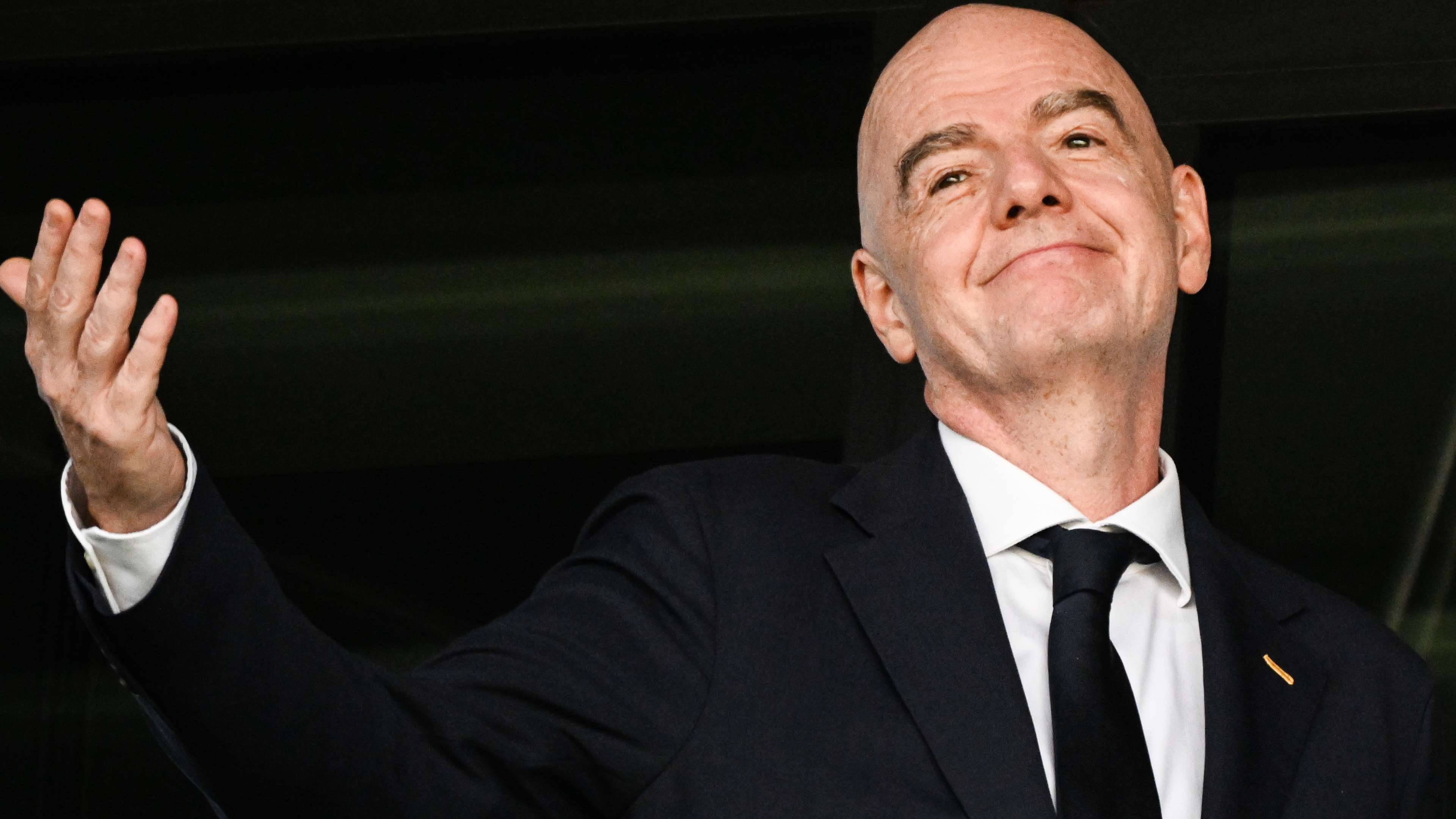
Gianni Infantino is facing mounting scrutiny over a controversial proposal involving FIFA’s commercial rights, but the governing body’s president has shown little public sign of retreat. In a rare interview with the BBC, he dismissed questions about his future with a confident, occasionally sarcastic response, arguing that he continues to enjoy the backing of the “vast majority” of football’s global community.
The dispute has put FIFA’s leadership, decision-making and transparency under renewed examination. It also arrives at a politically important moment: the next presidential election is scheduled for March, and Infantino appears to be moving closer to a fourth term. With the deadline for nominations approaching and no challenger publicly declared, the current president may yet face limited opposition at the ballot box.
Commercial-rights proposal sparks a governance dispute
The crisis centres on FIFA’s “FFE” projects initiative, which included a proposal to sell part of the organisation’s commercial rights to a private investment company. FIFA cancelled the project only days after it was put forward, but the reversal did not end the controversy. Instead, questions about how the proposal was developed, who was consulted and what information was considered have continued to fuel criticism.
Senior figures from the European, Asian, and North and Central American and Caribbean confederations signed a letter accusing Infantino of breaching trust through what they described as “deception.” UEFA has separately demanded access to important documents connected to the initiative, setting 2 November as a deadline and arguing that FIFA has not answered several fundamental questions.
The dispute was also raised at a FIFA Council meeting, where Infantino faced pointed criticism over the handling of the proposal. He was reportedly warned that his position could be at risk if the requested material was not provided, including the reasoning behind the initiative. The documents could help clarify how the project was assessed and why it was ultimately withdrawn.
Infantino promises answers but gives no firm timetable
Infantino did not provide a clear date for releasing the documents. He said the matter was subject to a legal process and that FIFA was working on responses. “We will certainly answer all the questions raised,” he said, adding that the organisation would do so within the limits of the process and to the extent it was able.
His comments acknowledge the pressure to address concerns, but leave uncertainty about when the information will be available and how completely it will answer the questions raised by confederations. That gap matters because the dispute is not simply about whether the commercial-rights proposal went ahead. It is also about whether FIFA’s member organisations were properly informed and involved before a major initiative was put forward.
Infantino conceded that FIFA had made mistakes, particularly in communication and consultation with its member federations. He also offered to hold more regular discussions with UEFA, an apparent effort to prevent the disagreement from deepening. Whether that outreach can rebuild confidence will depend in part on the information FIFA releases and the willingness of both sides to engage constructively.
President points to support from member federations
Asked whether he remained eligible to lead FIFA or had considered resigning, Infantino laughed before pointing to his election by 211 member federations. He argued that disagreements are a normal part of international football administration but maintained that the majority’s choice should be respected. In his view, national associations ultimately decide who leads FIFA and how the organisation is run.
He also cited support from the Asian Football Confederation during a visit to Tokyo, alongside backing from African federations. Infantino said he speaks with associations around the world and recognises the challenge of bringing different perspectives together. His emphasis on broad membership support is central to his defence: while prominent confederations have voiced criticism, FIFA’s voting structure gives national associations a decisive role in presidential elections.
For football followers, the political tension raises a wider question about how power and accountability should work inside the sport’s most influential governing body. FIFA’s decisions affect competitions, development funding and the commercial landscape of the game. The outcome of the rights dispute may therefore shape not only Infantino’s position, but also expectations about transparency in future FIFA projects.
Election timetable strengthens Infantino’s position
The deadline for presidential candidacy applications is 18 November. So far, no declared candidate has emerged to challenge Infantino, increasing the possibility that he could run without a serious rival. That prospect does not remove the criticism surrounding the commercial-rights initiative, but it does suggest that the immediate political balance may remain in his favour.
Infantino has continued an active international schedule, visiting Morocco, the Dominican Republic, Cape Verde and Japan. Those trips have given him opportunities to meet football officials and reinforce relationships with member associations ahead of the election. He has also proposed increasing funding for worldwide football development programmes by approximately $3.4 billion, presenting investment in the game as a major part of his agenda.
Development spending can be an important source of support among associations seeking facilities, coaching and opportunities for young players. At the same time, the proposal’s scale makes clear explanations of funding priorities and oversight especially important. As the election approaches, Infantino’s pitch will likely combine his record on development with assurances that FIFA can address concerns about consultation and governance.
Baku hosts FIFA’s new Under-15 festival
Amid the leadership dispute, Infantino travelled to Baku, Azerbaijan, for the first FIFA Under-15 tournament and festival. The event brings together teams from 189 member federations, including sides representing England, Spain, France, Argentina and Brazil. A Russian team is also participating in a FIFA-approved tournament for the first time since Russian teams were suspended from international competitions in February 2022.
The inaugural edition is for boys, with a girls’ tournament planned for next year. FIFA intends to bring both competitions into an annual programme from 2028. Matches use eight-a-side teams on smaller pitches, with two 20-minute halves—a format designed to give young players a fast-paced introduction to international competition.
Infantino described the festival as a chance to bring young people from different countries together and said he hoped participants would remember Azerbaijan as the setting for their first world tournament. The event also reflects FIFA’s broader effort to expand youth football beyond established competitions, creating more international experiences for players from across its membership.
What to watch next
The immediate prediction is that Infantino remains well positioned to pursue another term, particularly if no challenger enters the race before nominations close. However, his political standing will depend on more than election arithmetic. The response to UEFA’s document request, the handling of the legal process and the quality of FIFA’s engagement with member federations could influence how the controversy develops.
For now, Infantino is projecting confidence while acknowledging shortcomings in communication. The coming weeks will test whether that admission leads to greater transparency—or whether the dispute over FIFA’s commercial rights continues to overshadow the president’s campaign for a fourth term.