
Gianni Infantino Defends Controversial Plan to Sell Stakes in World Cup
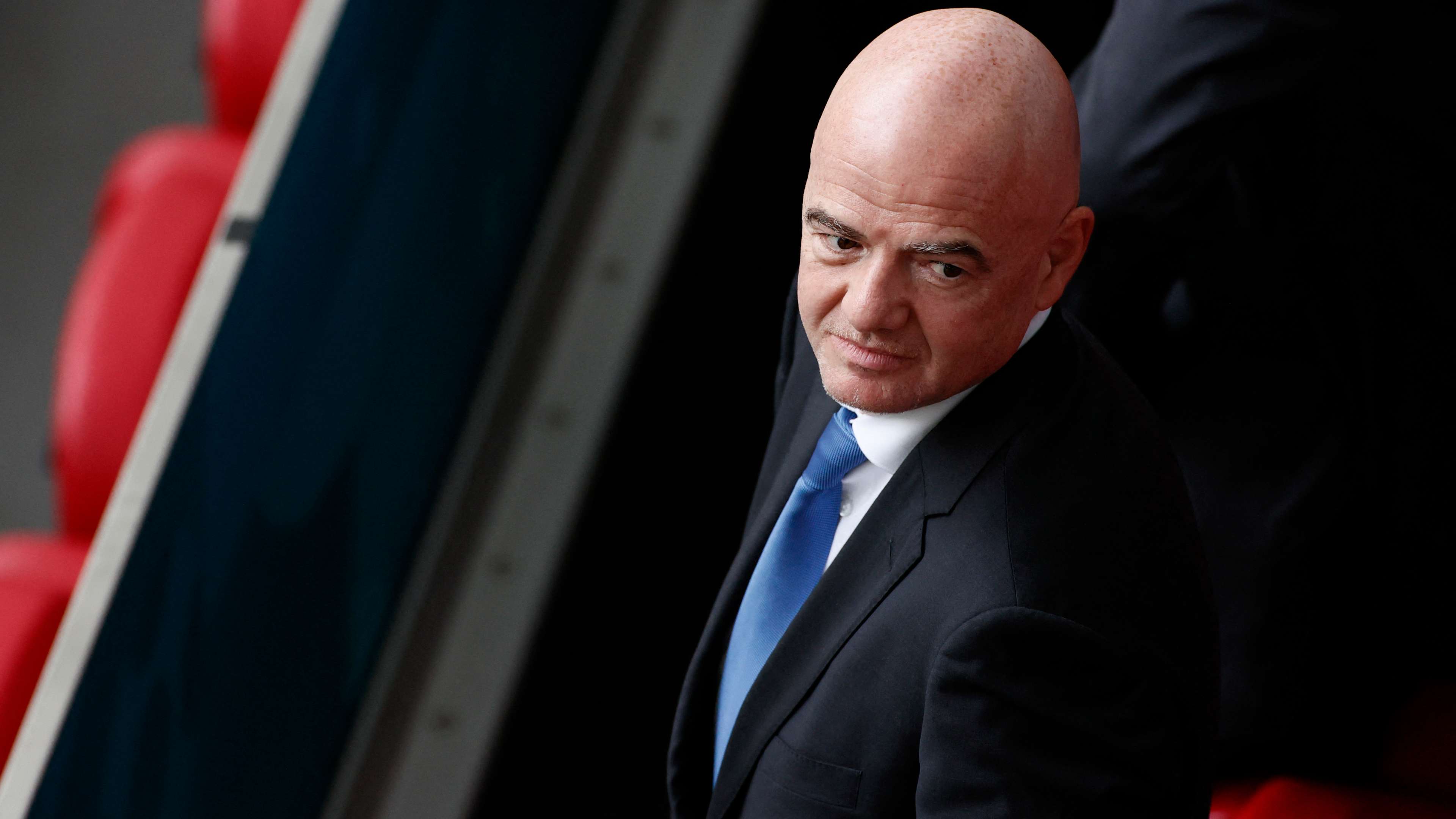
FIFA president, Gianni Infantino, has recently come under fire for his new project to sell stakes in the World Cup to private sector investors. Despite facing fierce criticism, Infantino remains steadfast in his belief that this initiative will benefit the global football community.
Controversy Surrounding the Proposal
Infantino’s announcement of his plan to sell shares in the World Cup has sparked anger and backlash from various entities within the football world. UEFA, along with several national federations, including those of England and France, have raised concerns about the potential implications of such a move.
In response to the criticism, Infantino released an official statement defending his proposal. He emphasized that the sale of stakes in the World Cup would be voluntary and described it as a significant opportunity for growth and development within the sport.
Infantino’s Justification
During a video address, Infantino reiterated that the plan was not mandatory but rather a democratic process aimed at providing a chance for private investors to contribute to the commercial value of football. He argued that only a small fraction of the revenue generated by the sport reaches those who need it most.
Infantino stated, “This proposal represents an opportunity to enhance the development of football globally. It is not an obligation but a choice that our members can make to support the growth of the sport in underserved regions.”
He further emphasized that the ultimate decision on whether to proceed with selling stakes in the World Cup would lie with the FIFA members. Infantino expressed his desire to see countries like Cape Verde benefit from the potential financial boost that could result from the initiative.
Potential Impact on Football Development
Infantino’s vision for selling stakes in the World Cup is rooted in the belief that it could lead to greater investment in football infrastructure, youth development programs, and grassroots initiatives. By involving private sector investors, FIFA aims to diversify revenue streams and create new opportunities for growth within the sport.
The proposal has sparked a meaningful debate within the football community, with supporters and critics weighing in on the potential benefits and drawbacks of such a strategy. While some view it as a progressive step towards advancing football globally, others express concerns about the commercialization of the sport.
Conclusion
As the discussion around Gianni Infantino’s plan to sell stakes in the World Cup continues, it remains to be seen how FIFA members will respond to the proposal. The future of football’s commercial landscape may be shaped by this controversial initiative, with its potential to impact the sport’s development on a global scale.
Keywords: football, prediction, FIFA, World Cup, Gianni Infantino, stakeholders, development, controversy.
Analysis of the Controversy
The controversy surrounding Gianni Infantino’s proposal to sell stakes in the World Cup reveals the complex intersection of commercial interests and the development of football. While some argue that involving private sector investors could inject much-needed funds into underserved regions and enhance the overall infrastructure of the sport, others fear that it may prioritize profit over the spirit of the game.
One key consideration is the potential impact on the distribution of wealth within football. Critics argue that selling stakes in the World Cup could further concentrate resources in the hands of a few wealthy investors, exacerbating existing inequalities in the sport. On the other hand, supporters of the plan believe that it could create a more sustainable financial model for football governance and development.
Implications for Football Prediction
With the uncertainty surrounding Infantino’s proposal, the world of football prediction also faces potential shifts in how matches and tournaments are analyzed and forecasted. The involvement of private investors in the World Cup could introduce new variables and factors that may impact the accuracy of predictions.
Furthermore, the commercialization of football through the sale of stakes in major tournaments could lead to changes in how betting markets operate. As financial interests become more intertwined with the sport, predicting match outcomes may become increasingly complex and influenced by external economic factors.
Global Perspectives on the Proposal
From a global standpoint, the debate over Infantino’s plan highlights the diverse interests and priorities of FIFA members and stakeholders. Countries with strong football traditions may view the proposal as a potential threat to the sport’s integrity, while developing nations could see it as an opportunity for much-needed investment and growth.
Understanding the varied perspectives on selling stakes in the World Cup is crucial for predicting how different regions and football communities will respond to the initiative. The outcome of this debate could shape the future landscape of football governance and development on a worldwide scale.
Looking Ahead
As Gianni Infantino continues to defend his controversial plan to sell stakes in the World Cup, the football world remains divided on the potential implications of such a move. The decision-making process within FIFA members will play a crucial role in determining the future direction of the sport and its commercial relationships.
Football prediction enthusiasts, stakeholders, and fans alike are watching closely to see how this proposal unfolds and what impact it may have on the sport they love. The evolving nature of football governance and finance suggests that the debate over selling stakes in the World Cup is far from over, and its repercussions may reverberate throughout the global football community for years to come.
Keywords: football, prediction, FIFA, World Cup, Gianni Infantino, stakeholders, development, controversy.