
Infantino Faces Growing Pressure After Heated FIFA Council Meeting
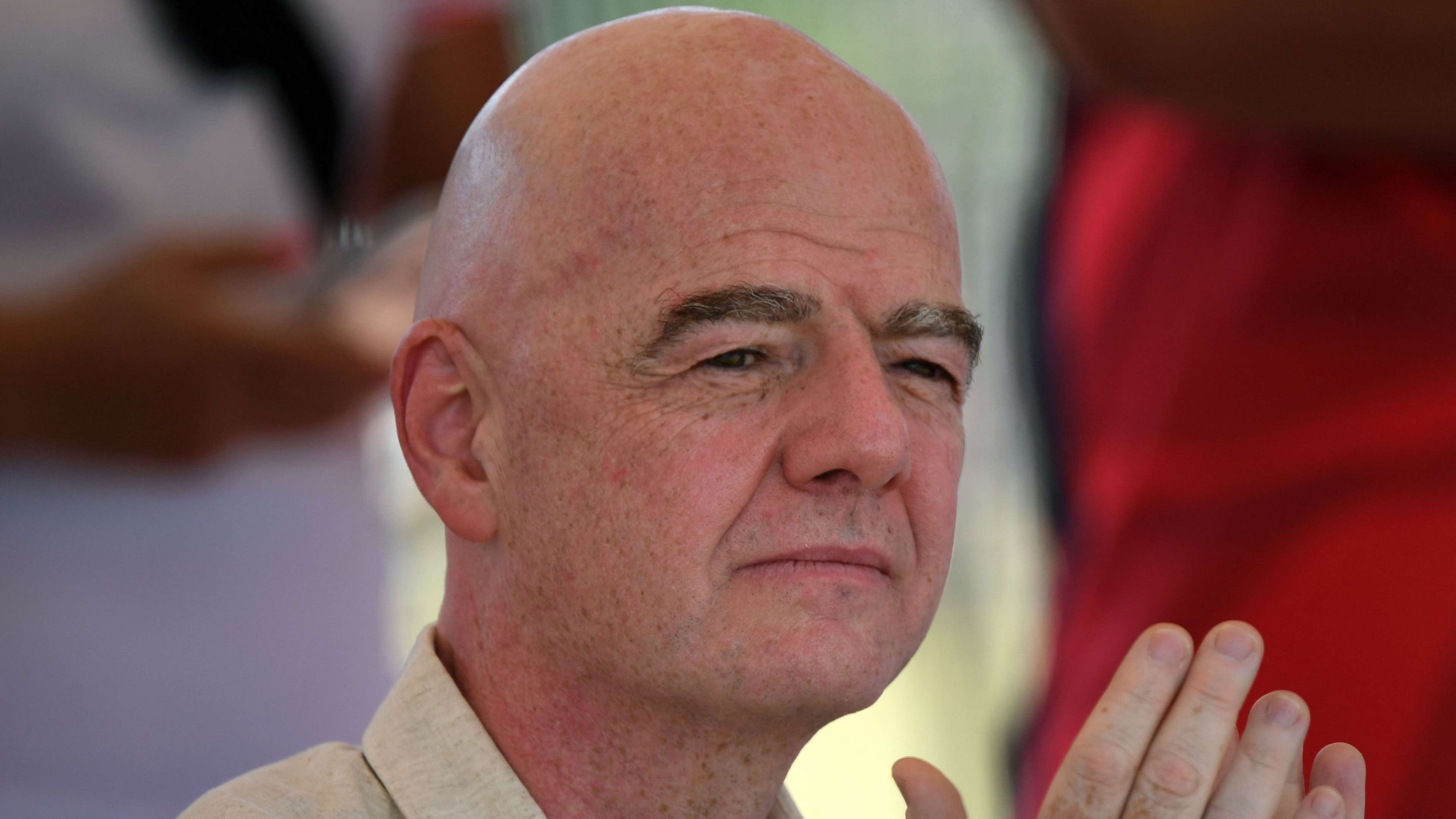
Gianni Infantino is under renewed pressure to defend his leadership of world football after a tense FIFA Council meeting in Zurich, where senior officials reportedly questioned whether he remains fit to lead the organization. The Swiss-Italian president apologized over a controversial investment arrangement, but his response did not appear to satisfy members seeking a fuller account of how the scheme was developed and approved.
The dispute has placed transparency and accountability at the center of a debate that could have consequences well beyond FIFA’s executive offices. For players, supporters, national associations and commercial partners, confidence in the governing body matters: FIFA oversees major international competitions, sets rules that shape the game and distributes significant sums to football organizations around the world.
Apology Fails to End Questions About Investment Scheme
Infantino’s apology was intended to address concerns surrounding a secretive investment scheme. However, the meeting reportedly left key questions unanswered, with high-ranking council members pressing for more detail about the arrangement and the decision-making behind it. Their concerns were not simply about whether an apology had been offered, but whether FIFA’s leadership was prepared to provide a clear and complete explanation.
In large international organizations, an apology can acknowledge that a situation has caused concern, but it does not necessarily resolve questions about oversight. Council members may want to know who was involved, what safeguards were in place, whether the relevant procedures were followed and how the organization plans to prevent similar controversy in the future.
Those details are especially important at FIFA, where decisions can affect national associations with very different resources and priorities. A credible response would need to address not only the circumstances of the investment plan but also the standards FIFA expects its senior officials to meet.
Why the FIFA Council’s Reaction Matters
The FIFA Council is a central part of the organization’s governance structure, bringing together representatives from across the global game. A public or internal challenge from senior members can therefore signal a broader concern about leadership, even if it does not automatically threaten a president’s position. The reported accusation that Infantino may be unfit for office is particularly serious because it shifts the discussion from a single controversial decision to questions about trust and judgment.
That distinction matters. FIFA has spent years trying to strengthen its reputation and demonstrate that it can govern football responsibly. When members demand greater transparency, the organization faces pressure to show that its rules apply consistently, including at the highest level. If council members believe they are not receiving adequate information, confidence in the institution may weaken further.
For supporters, governance disputes can seem distant from the action on the pitch. Yet the way football is administered influences tournament planning, development funding, integrity measures and the relationship between FIFA and its member associations. A leadership crisis can also distract from those responsibilities at a time when the sport is managing an increasingly crowded international calendar.
Leadership Challenge Could Have Wider Consequences
Infantino’s position now depends not only on the apology but on what happens next. The president and FIFA’s senior leadership may need to provide additional documentation, explain the approval process and demonstrate that independent oversight is available. Clear communication could help contain the dispute; continued uncertainty could give critics more reason to question the organization’s governance.
Any effort to restore confidence will likely be judged by its substance rather than its tone. Council members and football stakeholders may look for a transparent account of the scheme, a review of relevant procedures and evidence that concerns have been taken seriously. If the controversy is handled openly, FIFA may have an opportunity to reinforce its accountability framework. If information remains limited, the issue could develop into a longer-running test of Infantino’s authority.
At this stage, the reported confrontation does not by itself establish that Infantino will lose the presidency. It does, however, reveal a significant challenge to his leadership and suggests that some senior figures want more than an apology. The next steps could determine whether the episode remains a contained governance dispute or becomes a wider confidence crisis.
What to Watch in the Coming Weeks
Attention is likely to focus on whether FIFA releases further information about the investment arrangement and whether the Council receives a more detailed explanation. The organization’s response will also indicate how it balances confidentiality with the public interest in responsible governance. Because FIFA’s decisions affect the global football community, prolonged silence may invite speculation, while a precise and independently supported account could help clarify the situation.
Another key question is whether the Council seeks formal changes to oversight or reporting procedures. Reforms could include clearer disclosure requirements, stronger review mechanisms or more explicit rules governing senior officials’ involvement in financial initiatives. Such measures would not automatically settle the dispute, but they could demonstrate that FIFA is willing to address the concerns behind it.
Football Prediction: Governance, Not the Pitch, Is the Immediate Story
For now, any football prediction about the outcome should be treated cautiously. The available account points to serious disagreement, but it does not confirm a formal move to remove Infantino or establish how individual Council members will act. The most reasonable expectation is that pressure will remain high until FIFA offers a fuller explanation and its leadership demonstrates that the organization’s procedures are being followed.
The broader lesson is that football’s governing bodies are judged not only by the tournaments they stage but by the transparency of the decisions behind them. Infantino’s apology may have been an important first step, yet the Zurich meeting suggests it was not enough to close the matter. Whether he can stabilize his presidency will depend on his willingness to answer the Council’s questions—and on whether those answers restore confidence across the sport.